


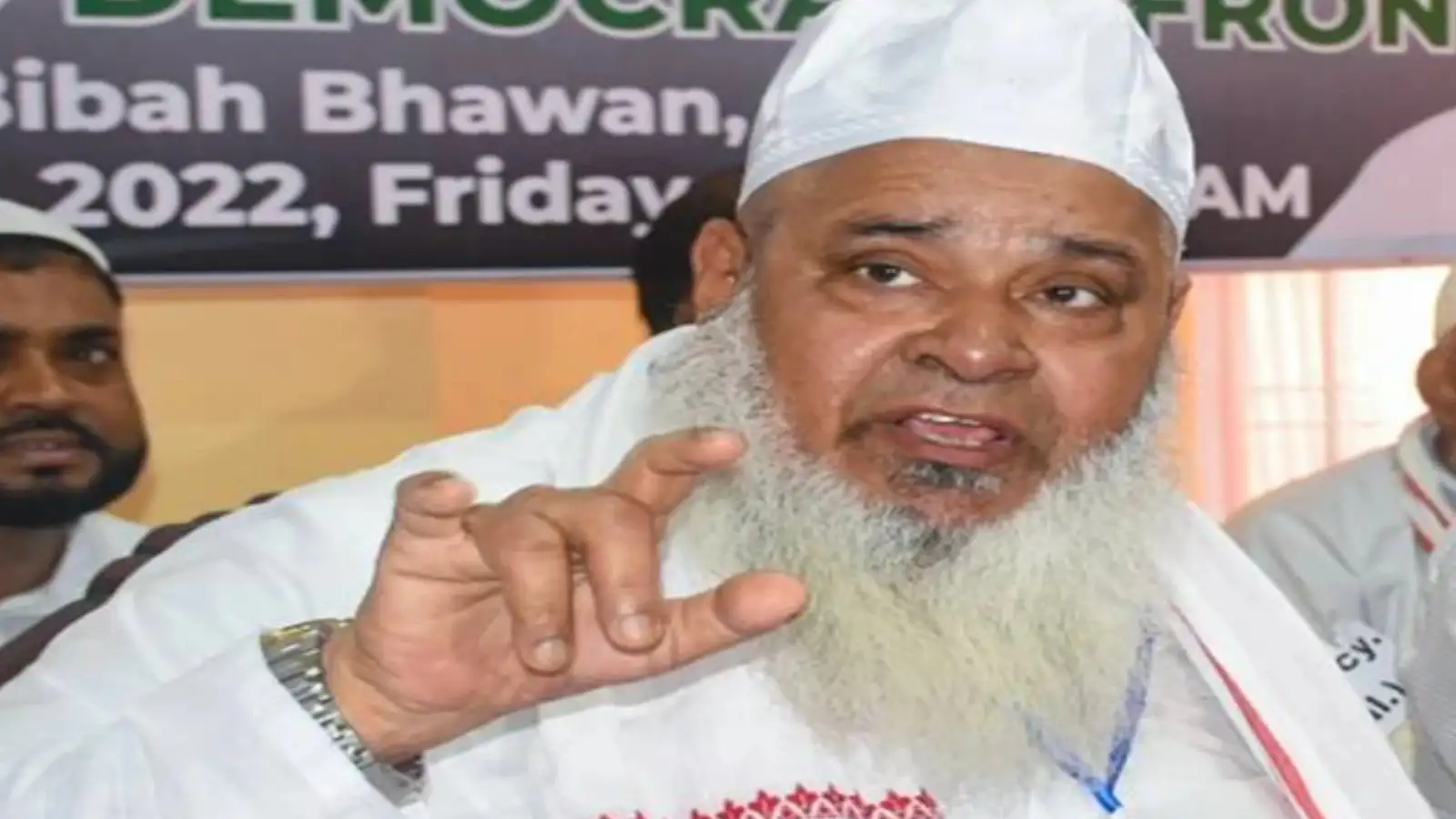
The political atmosphere in Assam has intensified after Badruddin Ajmal declared his party as the “real opposition” in the state following a victory in Binakandi. The statement has sparked fresh debate regarding the future of opposition politics in Assam and the growing competition among regional and national parties.
The announcement came shortly after the electoral success of the All India United Democratic Front in the Binakandi constituency. Ajmal claimed the result reflected public dissatisfaction with traditional opposition groups and highlighted AIUDF’s increasing political relevance.
Political observers believe the latest development could reshape alliances and opposition strategies ahead of future elections. Moreover, the statement has intensified discussions about leadership, voter outreach, and regional political influence in Assam.
Nathula Border Trade: Sikkim Commerce Set for Major Revival
Nagaland BJP Bypoll Victory Secures Koridang Assembly Seat
AIUDF Claims Position as Main Opposition Force
Following the Binakandi victory, Badruddin Ajmal stated that AIUDF had emerged as the strongest opposition voice in the state. According to party leaders, the electoral outcome demonstrated growing public trust in the organization’s political agenda and grassroots campaigns.
Ajmal argued that voters supported AIUDF because of its direct engagement with local issues. Furthermore, party representatives claimed the result reflected dissatisfaction with the performance of other opposition parties in Assam.
The declaration immediately attracted political attention across the state. Consequently, rival opposition groups began responding to AIUDF’s claims regarding leadership and influence within the opposition space.
Several analysts noted that the Binakandi result could encourage AIUDF to expand its political activities in additional constituencies. Therefore, the party may attempt to strengthen its organizational structure before upcoming electoral contests.
Binakandi Result Generates Political Debate
The victory in Binakandi has become a major talking point in Assam’s political landscape. Supporters of AIUDF described the result as evidence of the party’s continued relevance despite intense political competition in recent years.
At the same time, critics argued that a single electoral success may not automatically establish the party as the principal opposition force. Nevertheless, the result has increased discussions regarding shifting voter behavior and regional political dynamics.
Political experts believe the constituency outcome may influence future alliance negotiations among opposition parties. Additionally, regional leaders may reassess campaign strategies to counter the ruling alliance more effectively.
The Assam Opposition Dynamics Shift has also drawn attention because of the broader political context in the Northeast. Several regional parties are currently trying to strengthen their influence amid changing electoral trends.
Congress and Other Opposition Parties Respond
Leaders from rival opposition parties reacted cautiously to Ajmal’s statement. Some representatives questioned the claim and emphasized the need for broader statewide political support before declaring any party as the primary opposition force.
Meanwhile, members of the Indian National Congress continued highlighting their organizational presence across Assam. Congress leaders argued that opposition politics requires statewide coordination and long-term public engagement.
Despite these disagreements, analysts believe opposition parties may eventually need to cooperate on certain issues to challenge the ruling alliance effectively. Consequently, future political negotiations could become increasingly important ahead of upcoming elections.
Observers also noted that public perception of opposition unity may play a crucial role in determining electoral outcomes in the state.
BJP-Led Alliance Monitors Opposition Developments
The ruling Bharatiya Janata Party and its allies have closely monitored the evolving opposition situation in Assam. Party leaders stated that internal competition among opposition groups reflects their struggle to establish a unified political direction.
At the same time, BJP representatives continued emphasizing governance achievements and development initiatives in the state. Infrastructure projects, welfare programs, and connectivity expansion remain central themes in the ruling alliance’s political messaging.
Political analysts believe the fragmentation of opposition forces could benefit the ruling coalition in future electoral contests. However, changing local dynamics and constituency-level issues may still influence voting patterns in several regions.
The latest statements from AIUDF leadership have therefore added another layer of complexity to Assam’s political environment.
Regional Politics and Voter Sentiment
Regional political identity continues to influence electoral behavior in Assam. Many voters prioritize local development issues, employment opportunities, and community representation during elections. As a result, regional parties often attempt to strengthen their grassroots networks in specific constituencies.
AIUDF leaders have repeatedly emphasized direct engagement with local concerns in their campaign strategy. Furthermore, party workers have expanded outreach efforts in areas where they believe voter dissatisfaction with other opposition groups exists.
Political commentators believe voter sentiment in Assam remains dynamic and issue-driven. Therefore, opposition parties may need to focus more on coordinated messaging and public engagement in the future.
The Binakandi victory may also encourage smaller regional organizations to increase their political activities before the next major election cycle.
Public Reaction and Political Implications
Public reaction to Ajmal’s statement has remained mixed across social and political circles. Supporters celebrated the victory and viewed the declaration as a sign of growing political confidence within AIUDF.
However, critics argued that opposition leadership should depend on broader electoral performance rather than isolated constituency results. Nevertheless, the statement has successfully drawn statewide attention and intensified political discussions.
Political observers expect continued debates regarding opposition unity and leadership in the coming months. In addition, constituency-level political competition may become more aggressive as parties attempt to strengthen voter support.
The Assam Opposition Dynamics Shift could therefore influence future alliances, campaign narratives, and electoral strategies across the state.
Conclusion
The Binakandi victory has triggered renewed debate over opposition leadership in Assam after AIUDF chief Badruddin Ajmal declared his party the “real opposition” in the state. The development has highlighted growing competition among opposition groups and raised important questions regarding political strategy and voter influence.
As political parties continue reassessing their positions, the latest developments may significantly shape Assam’s future electoral landscape. The coming months will likely determine whether AIUDF can expand its influence beyond individual constituency successes and establish a stronger statewide political presence.
FAQs
Why did Badruddin Ajmal call AIUDF the real opposition?
He made the statement after AIUDF secured a victory in Binakandi and claimed the result reflected growing public support for the party.
What is AIUDF?
AIUDF stands for the All India United Democratic Front, a political party active mainly in Assam.
Why is the Binakandi result important?
The result has sparked political debate regarding opposition leadership and future alliance strategies in Assam.
How did other opposition parties react?
Several opposition leaders questioned AIUDF’s claim and emphasized the importance of statewide political presence.
What impact could this have on Assam politics?
The development may influence future opposition alliances, campaign strategies, and voter outreach efforts.
Which party currently leads the Assam government?
The BJP-led National Democratic Alliance currently governs Assam.