


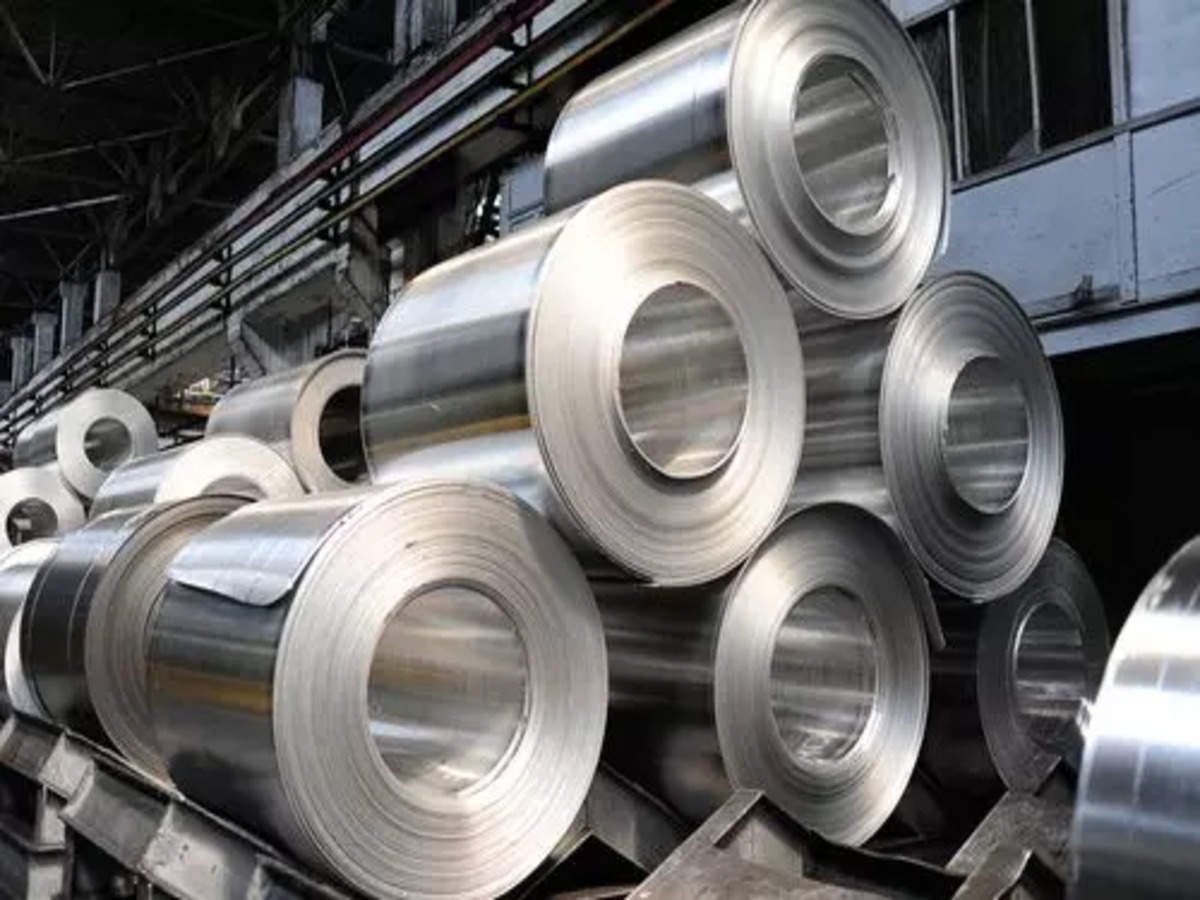
The Directorate General of Trade Remedies (DGTR) has recommended imposing an anti-dumping duty on aluminium foils imported from China. This decision follows a thorough investigation into the impact of Chinese imports on the Indian market. The DGTR’s recommendation comes after Hindalco, one of India’s leading aluminium manufacturers, and other companies, including Shyam Sel & Power Ltd, Venkateshwara Electrocast Pvt. Ltd, and Ravi Raj Foils Ltd, raised concerns about the detrimental effects of these imports on domestic producers.
The investigation revealed that Chinese aluminium foils had captured 30 percent of the Indian market despite the presence of adequate domestic manufacturing capacity. This influx of cheap imports, according to the DGTR, has led to significant price undercutting. The domestic industry found itself compelled to lower its prices below production costs to compete, a situation that has caused substantial harm to local manufacturers.The DGTR’s assessment focused on aluminium foils up to 80 microns thick, excluding those below 5.5 microns used for non-capacitor applications. The investigation found that these imports were sold at prices significantly lower than those of domestically produced aluminium foils. As a result, the local industry struggled to maintain profitability, leading to financial strain and potential job losses.The anti-dumping duty, as recommended by the DGTR, ranges from $619 per tonne to $873 per tonne. This range aims to counteract the pricing advantage held by Chinese exporters and to level the playing field for Indian manufacturers. By imposing this duty, the government seeks to protect domestic industries from unfair competition and to ensure that local producers can operate under fair market conditions.The Ministry of Finance will make the final decision on whether to implement the recommended anti-dumping duties. If approved, this measure will offer relief to Indian manufacturers by mitigating the adverse effects of cheap imports and helping stabilize the market. The proposed duty aims to provide a safeguard for the domestic aluminium foil industry and to support its continued growth and sustainability.The outcome of this investigation highlights the ongoing challenges faced by domestic industries in the face of global trade practices. It underscores the need for protective measures to ensure fair competition and to preserve the viability of local manufacturing sectors.
The anti-dumping measure proposed by the DGTR also reflects broader concerns about the integrity of global trade practices. As international trade becomes increasingly interconnected, the imbalance created by unfair pricing tactics can significantly impact domestic industries. The case of aluminium foil imports from China serves as a reminder of how essential it is for countries to have mechanisms in place to safeguard their local markets against such practices.
The recommended anti-dumping duties aim to address not just the immediate financial strain on domestic manufacturers but also the longer-term consequences of sustained price undercutting. By imposing these duties, the Indian government hopes to encourage fair competition and ensure that local businesses can operate under equitable conditions. This step is intended to prevent a situation where domestic industries are forced out of the market due to unfair pricing, which could have cascading effects on employment and economic stability within the sector.
Moreover, the DGTR’s recommendation underscores the importance of thorough and transparent investigations in maintaining the health of national industries. The process involves detailed analysis and evidence collection to ensure that any measures taken are justified and effective. The role of institutions like the DGTR in protecting domestic industries cannot be overstated, as they play a crucial role in balancing global trade dynamics.
The response from affected companies and industry groups has been largely supportive of the DGTR’s recommendation. Many view the proposed duties as a necessary step to restore market equilibrium and protect Indian manufacturers from the adverse effects of unfair competition. The implementation of these duties could also serve as a precedent for handling similar cases in the future, reinforcing the need for vigilant oversight of international trade practices.
In the coming weeks, stakeholders will be closely watching the Ministry of Finance’s decision on the recommended anti-dumping duties. The outcome will not only influence the aluminium foil market but could also set a significant precedent for how India addresses trade-related challenges in other sectors. As the global trade landscape continues to evolve, ensuring fair competition and supporting domestic industries will remain crucial priorities for policymakers and industry leaders alike.