

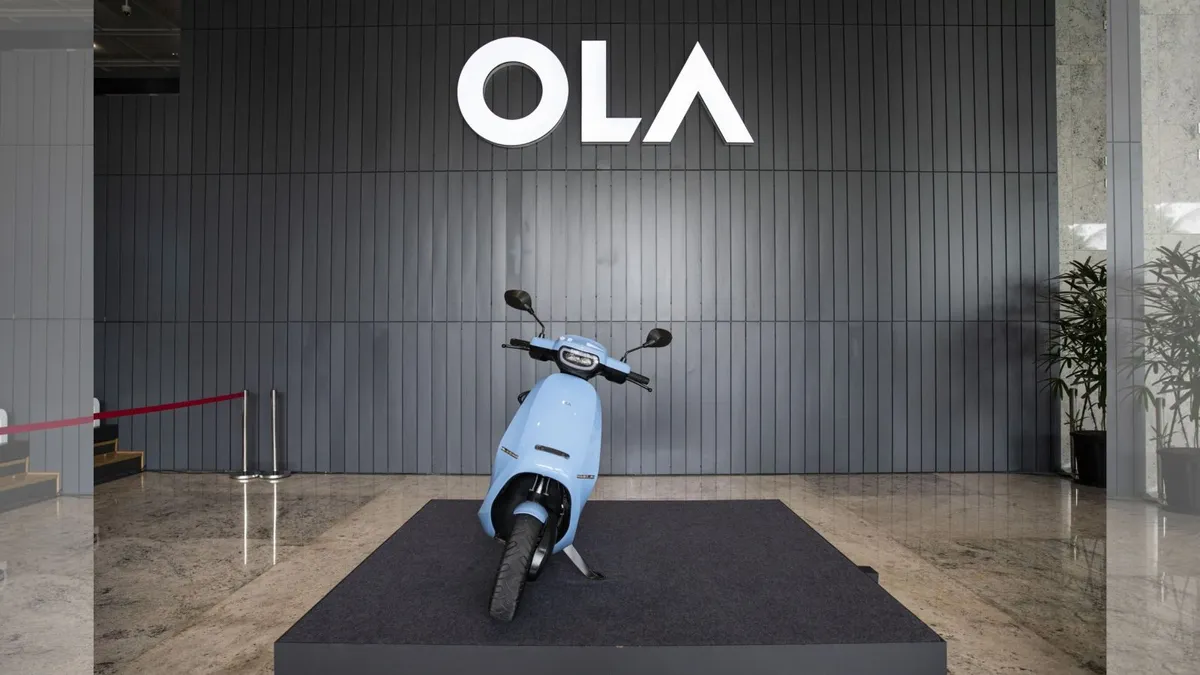
Ola Electric, the electric vehicle giant, has taken the difficult decision to cut 500 jobs across various verticals and levels as part of a restructuring effort aimed at improving its financial health. The move follows the company’s commitment to optimizing its workforce with the goal of enhancing profitability and improving margins. This restructuring exercise comes at a time when Ola Electric is facing increased scrutiny, particularly for its aftersales service, which has drawn significant public and media attention.
The job cuts, which began in the September quarter, are part of a gradual process of streamlining operations. According to sources familiar with the situation, the layoffs started around July and have been ongoing ever since. The decision to downsize was made to address what some insiders describe as “redundant roles” across different divisions of the company. This restructuring is expected to be completed by the end of the month, signaling the company’s attempt to align its workforce more closely with its business objectives moving forward.
While the layoffs may come as a surprise to some, they reflect the challenges faced by Ola Electric in its efforts to scale and expand in the competitive electric vehicle market. The company, which rose to prominence with its flagship electric scooter models, has seen a surge in demand for electric mobility solutions. However, the rapid growth has also brought with it operational inefficiencies, especially when it comes to customer satisfaction and post-purchase services.
Despite this, Ola Electric has emphasized that the restructuring is part of a larger strategy aimed at long-term sustainability and financial health. By reducing the workforce, the company plans to eliminate inefficiencies and refocus its resources on more critical aspects of its operations. This includes enhancing product offerings, improving aftersales support, and ramping up its production capabilities to meet growing demand.
The company’s recent troubles with aftersales service have sparked concerns among customers, and the layoffs may be seen as part of an effort to correct operational gaps and refocus on service quality. A key challenge for Ola Electric has been balancing rapid expansion with maintaining quality customer experiences. As the company continues to scale, it must ensure that customer service is not compromised, particularly in the highly competitive electric vehicle market.
The job cuts are not confined to a specific vertical, but rather spread across multiple departments. Ola Electric has been consolidating roles in various segments of its business to create a more agile and efficient organization. This downsizing is part of the company’s larger push to increase its profitability, reduce operational costs, and ensure that it remains competitive in the fast-evolving electric vehicle market.
The job reductions are also a response to the economic pressures that have affected many tech-based companies globally. As markets evolve, many businesses are reevaluating their workforce to better align with their future goals. Ola Electric’s decision to trim its staff may also reflect broader trends in the tech and automotive sectors, where companies are reassessing their structures and cutting down on roles that no longer serve their strategic objectives.
Ola Electric has already made significant strides in the electric vehicle market, and its restructuring efforts are aimed at ensuring that it continues to thrive in the years to come. However, the company must now address the challenges that come with streamlining its operations while ensuring that it maintains a high level of service and innovation. Customers have high expectations from electric vehicle manufacturers, and Ola Electric will need to prove that it can meet those expectations, both in terms of product quality and aftersales support.
Ola Electric’s decision to cut 500 jobs is not only a reflection of the company’s internal restructuring but also a sign of the shifting landscape within the electric vehicle (EV) industry. As more companies enter the electric mobility space, competition is intensifying, and businesses must constantly adapt to maintain a competitive edge. Ola Electric, which once garnered widespread attention with its bold vision for a sustainable future and cutting-edge EV technology, now faces the challenge of translating its innovation into operational success.
In addition to addressing inefficiencies, the restructuring comes at a crucial time when the company is also under scrutiny for its aftersales service. While Ola Electric has made great strides in product development, including its electric scooters that appeal to eco-conscious consumers, customer satisfaction remains a cornerstone of any successful brand. For Ola Electric to solidify its position as a market leader in the EV sector, it must ensure that every aspect of its business, from manufacturing to customer support, functions seamlessly. A failure to address these areas could harm its reputation, especially in a market that is still in the process of widespread EV adoption.
The restructuring exercise may also help Ola Electric respond more swiftly to market demands. The EV sector is dynamic, with rapid advancements in technology, changes in government policies, and fluctuating consumer preferences. By streamlining its operations and removing redundant positions, the company can free up resources to focus on key growth areas such as expanding its product lineup, improving battery technology, and increasing charging infrastructure. These are critical elements for the company to stay ahead in a market that is poised for explosive growth in the coming years.
The decision to reduce the workforce might also serve as a strategic move to optimize the company’s financial position. While Ola Electric has seen significant success in terms of market share, increasing operational efficiency through job cuts can allow the company to refocus its efforts on higher-priority areas. This could potentially lead to higher profit margins, as the company would be able to allocate its financial resources more effectively. The decision to trim the workforce may also help the company weather any financial uncertainties, particularly as the global economy navigates post-pandemic recovery and changing market conditions.
Ola Electric’s move to cut jobs has sparked mixed reactions, with some applauding the company for taking necessary steps to ensure its long-term survival, while others express concern over the impact on employee morale and the potential effects on customer service. The success of this restructuring will depend largely on how effectively the company manages this transition and ensures that the quality of service and innovation do not suffer. Communication with both employees and customers will be key to maintaining trust and confidence in the brand.
The company must also keep an eye on its competitors. Companies like Ather Energy, Tata Motors, and Mahindra Electric are aggressively expanding their presence in the electric vehicle market, pushing Ola Electric to continuously evolve and refine its business strategies. The competition is intensifying not just in terms of product offerings but also in service quality. Companies that can combine innovation with top-tier customer service will undoubtedly emerge as the leaders in the EV industry, and Ola Electric will need to ensure it remains at the forefront of both.
Looking ahead, Ola Electric’s restructuring plan could be a critical turning point. While the reduction in workforce may cause short-term disruptions, the company’s long-term success hinges on its ability to adapt, innovate, and meet the evolving needs of its customers. This restructuring, though difficult, may ultimately position the company to scale efficiently and maintain a competitive edge in a rapidly growing sector. However, Ola Electric will need to work hard to restore confidence in its aftersales services, enhance customer experiences, and continue driving innovation to secure its place in the future of electric mobility.