

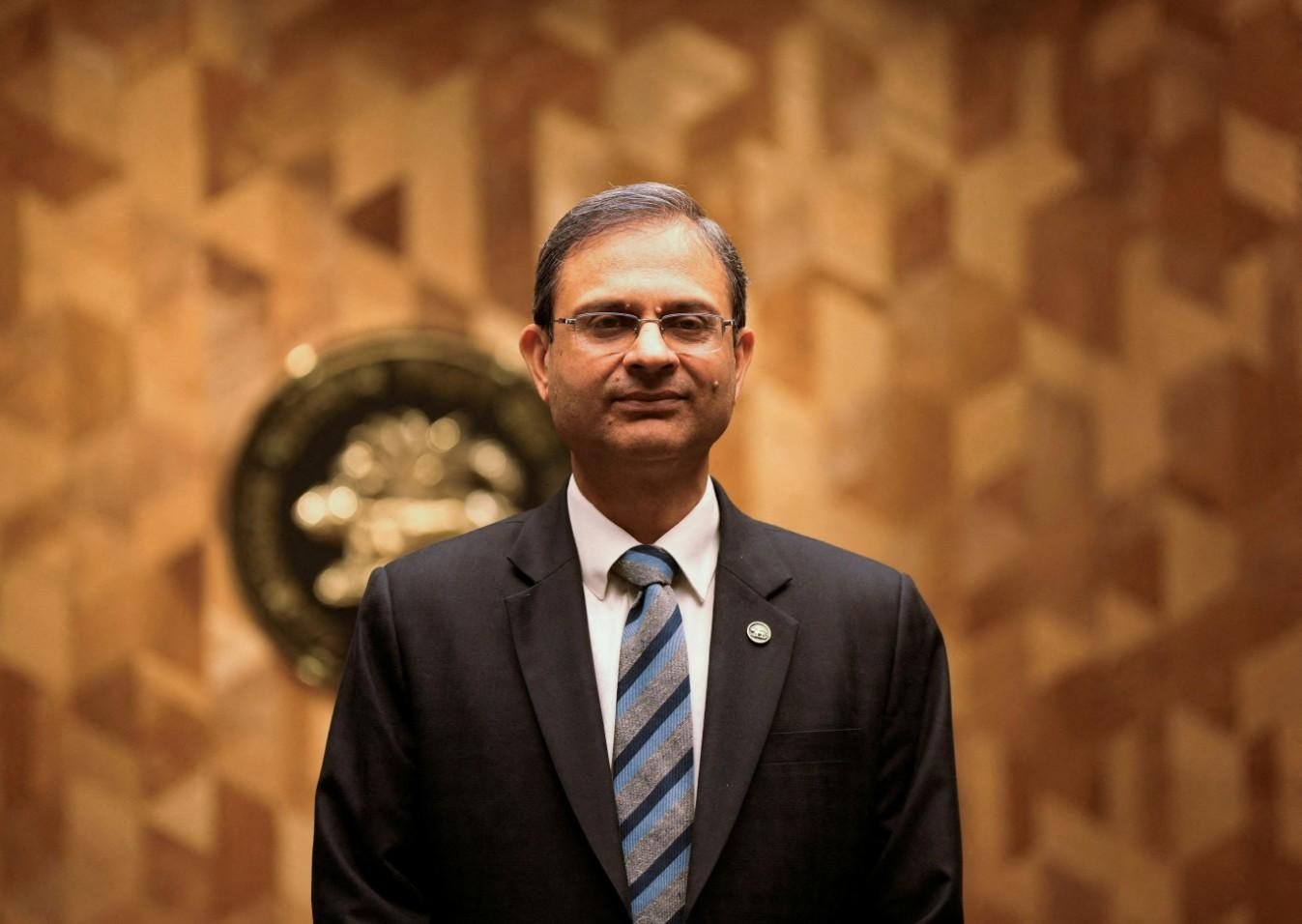
Reserve Bank of India (RBI) Governor Sanjay Malhotra on Tuesday indicated that a rate cut could be on the table if inflation continues its downward trend or if economic growth weakens.
His statement follows the release of fresh data showing a sharp dip in consumer price index (CPI) inflation. The inflation rate fell to 2.1% in June, down from 2.82% in May. This marks the lowest CPI inflation reading in over six years—precisely 77 months.
Rate Cut Depends on Inflation and Growth Trajectory
In an interview with CNBC TV18, Malhotra clarified the central bank’s position. He said the Monetary Policy Committee (MPC) will carefully examine all data before deciding on any policy shift.
“If the inflation is lower, or the outlook is lower, or the growth is lower—certainly, the policy rate can be cut,” he said. “But that is something that we have to wait and watch.”
This statement comes at a crucial time when economists and market watchers are looking for cues about the RBI’s next policy move.
RBI’s Inflation Outlook for FY26
The RBI has currently projected retail inflation at 3.7% for the financial year 2025–26 (FY26). However, Malhotra hinted this number may be revised downward.
“There is an expectation that inflation will not be 3.7%, but lower than that,” he noted. “That’s certainly on the cards. If that happens, the monetary policy will have a look at it and take a call.”
This adds a fresh layer of optimism to market expectations, especially for businesses and borrowers who could benefit from lower interest rates.
Growth Concerns May Influence RBI’s Decision
Apart from inflation, the RBI is also closely monitoring growth indicators.
Sluggish investment, weak demand in rural sectors, and subdued global trade have created uncertainty around India’s economic momentum.
If data over the next few quarters shows any serious deceleration, the central bank might opt for an accommodative stance to support growth.
This would align with global trends, as central banks in developed markets like the US and Eurozone also weigh rate cuts amid easing inflation.
Market Reactions and Expert Views
Following Malhotra’s remarks, bond yields dipped slightly. Market participants interpreted the statement as dovish, even though the RBI hasn’t yet committed to a rate cut timeline.
Several analysts now expect the next monetary policy review in August to offer clearer signals.
A senior economist from a leading private bank said, “The governor’s tone suggests that the door is open for a rate cut. However, a lot depends on incoming data between now and the next policy meeting.”
Internal and Global Factors in Play
India’s monetary policy is also influenced by global cues. If the US Federal Reserve initiates its own rate cuts later this year, it could give the RBI more room to ease policy without worrying about capital outflows or currency volatility.
Domestically, food prices, fuel costs, and fiscal spending trends will be critical.
While the June inflation number is a positive sign, policymakers are wary of seasonal fluctuations, especially during monsoon months.
Read more on monetary policy trends:
Visit RBI official website