


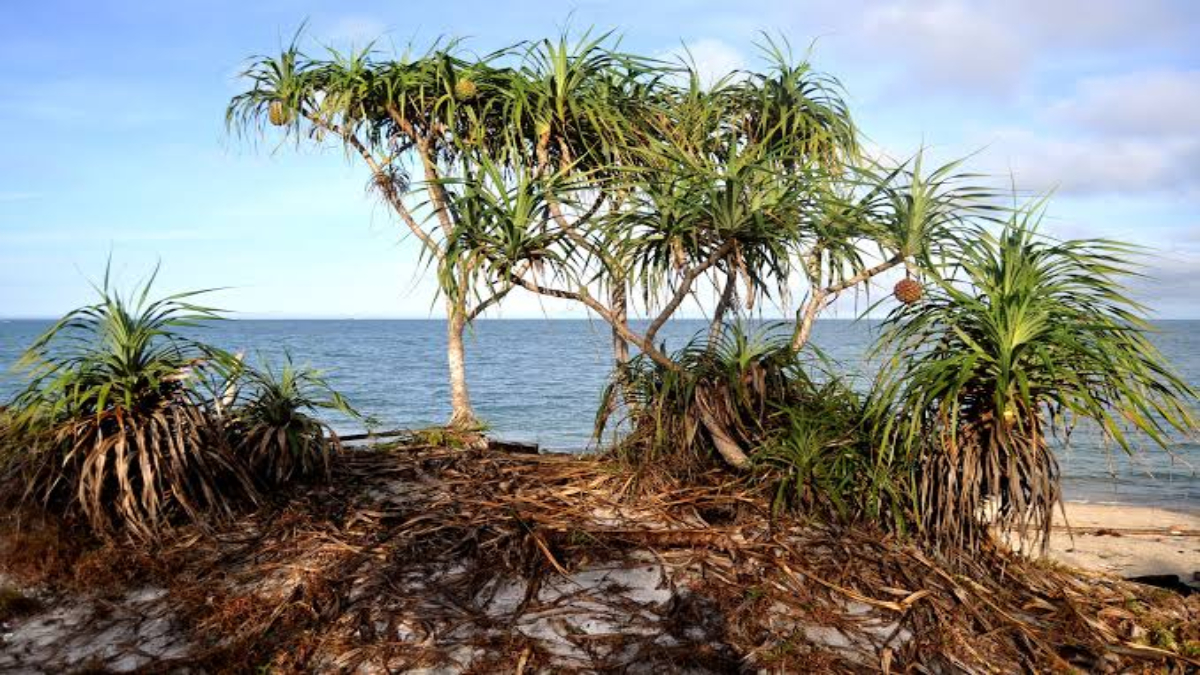
Assam fossil discovery has unveiled a remarkable chapter in India’s botanical history, with scientists confirming that the Kevda (Kewda) plant has survived on the Indian subcontinent for nearly 24 million years. The finding, based on fossil evidence unearthed in Assam, offers valuable insights into the evolution of tropical vegetation and highlights the Northeast’s significance as a treasure trove of prehistoric biodiversity. Researchers believe the discovery could reshape scientific understanding of the ancient distribution and resilience of the Kevda plant, which continues to thrive in parts of India today.
The study has drawn attention from the scientific community because it establishes one of the oldest known records of the plant in the Indian region. The fossil evidence also provides fresh clues about the climatic conditions and ecosystems that existed millions of years ago in what is now Assam.
Why the Assam fossil discovery Is Significant
The Assam fossil discovery centres on fossilised remains of the Kevda plant, scientifically known as Pandanus, recovered from sedimentary deposits dating back approximately 24 million years to the Early Miocene period.
According to researchers, the fossils closely resemble present-day members of the Pandanus family, indicating that the plant has undergone remarkable evolutionary stability over millions of years. This makes the discovery an important addition to India’s palaeobotanical records.
Scientists noted that the ancient fossils demonstrate that the Kevda plant has successfully survived major geological and climatic changes, including shifts in temperature, rainfall patterns, and continental evolution.
What Researchers Found
The fossil specimens were analysed using detailed morphological comparisons with modern Kevda plants. Researchers found striking similarities in the fossil structures, allowing them to confidently identify the remains as belonging to the Pandanus lineage.
The study suggests that northeastern India supported lush tropical forests during the Early Miocene period. Warm and humid environmental conditions would have favoured the growth of plants such as Kevda, many of which continue to flourish in similar climatic zones today.
The findings strengthen evidence that Assam has long served as an important centre for tropical biodiversity.
Kevda Plant’s Ancient Legacy
Kevda is widely recognised across India for its fragrant flowers and cultural significance. Its flowers are used in producing perfumes, essential oils, incense, and flavouring agents, while the plant also plays a role in traditional medicine and handicrafts.
The latest fossil evidence now indicates that this familiar plant has an extraordinarily ancient history in the Indian subcontinent.
Researchers believe its long survival demonstrates the adaptability of the species across changing environmental conditions over millions of years.
Assam fossil discovery Highlights Northeast’s Geological Importance
The Assam fossil discovery further reinforces Northeast India’s reputation as one of the country’s richest fossil-bearing regions.
Over the years, Assam and neighbouring states have yielded numerous fossil discoveries, including ancient plants, vertebrates, marine organisms, and evidence of prehistoric ecosystems. These findings have enabled scientists to reconstruct India’s environmental history with greater accuracy.
Geologists say the sedimentary formations in Assam preserve valuable records of climatic transitions that occurred after the Indian tectonic plate collided with the Eurasian plate, eventually giving rise to the Himalayas.
Such discoveries continue to improve scientific understanding of biodiversity evolution across South Asia.
How Fossils Help Decode Ancient Ecosystems
Plant fossils provide scientists with essential information about Earth’s past climates and vegetation.
By studying fossilised leaves, fruits, stems, pollen, and seeds, researchers can determine:
- Ancient rainfall patterns
- Historical temperatures
- Types of forests that existed
- Evolution of plant species
- Biodiversity changes over millions of years
The newly identified Kevda fossils contribute to this growing body of evidence by confirming the presence of tropical vegetation in Assam during the Early Miocene epoch.
Implications for Botanical Research
The discovery is expected to encourage further palaeobotanical research across Northeast India.
Scientists believe many unexplored fossil sites in Assam may still contain evidence of extinct or ancient plant species that could fill important gaps in the evolutionary history of Asian flora.
The research also strengthens India’s contribution to global studies on plant evolution, climate adaptation, and biodiversity conservation.
Modern Kevda populations may offer scientists additional opportunities to study how certain plant lineages have remained remarkably resilient despite dramatic environmental transformations over geological time.
Border Forces Intensify Checks on Illegal Trade Routes Amid Administrative Law Changes
Preserving Assam’s Geological Heritage
Experts have emphasised the need to protect fossil-bearing regions from unregulated excavation and environmental degradation. Fossil sites are invaluable scientific resources that help researchers understand Earth’s ancient ecosystems and evolutionary processes.
The latest discovery demonstrates that Assam’s geological formations continue to yield globally significant findings. Increased investment in fossil exploration, conservation, and scientific research could lead to many more discoveries that deepen our understanding of India’s prehistoric natural heritage.
The revelation that the Kevda plant has survived for approximately 24 million years is not only a remarkable scientific achievement but also a reminder of nature’s extraordinary resilience. As researchers continue investigating Assam’s ancient landscapes, more fossil discoveries may emerge, further establishing the state as one of India’s most important centres for palaeontological and botanical research.