


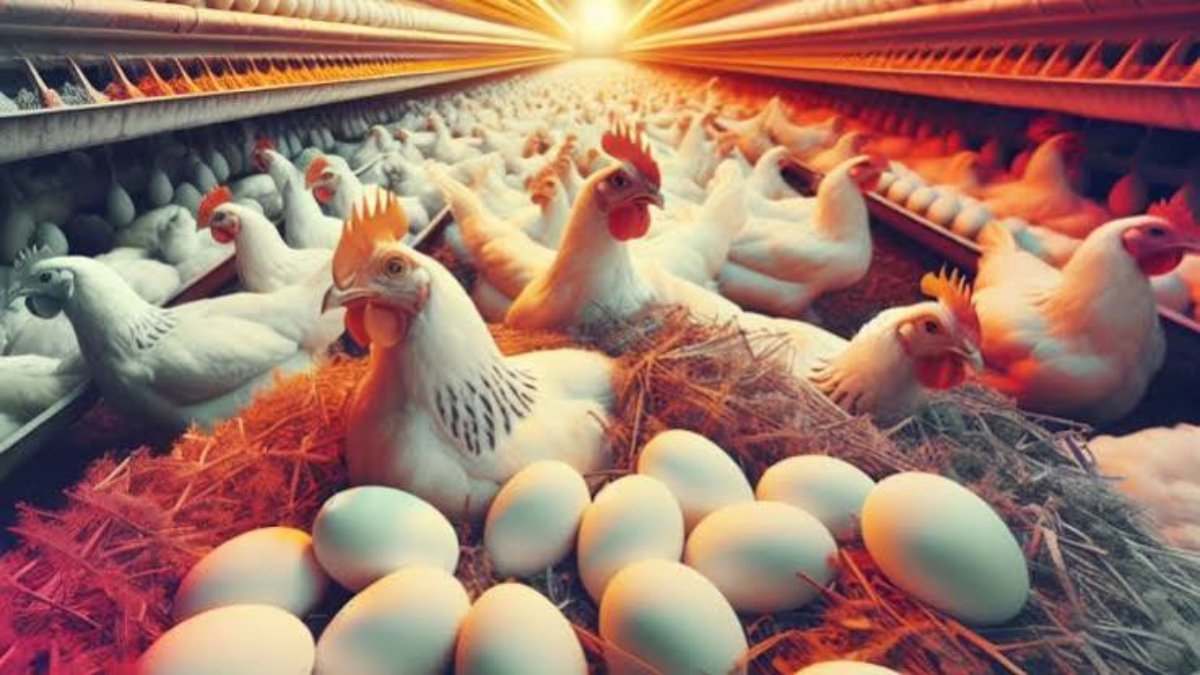
Tripura self-sufficiency in milk, meat and eggs is set to receive a major boost as the state government works on a five-year roadmap to strengthen animal husbandry, expand production and reduce dependence on supplies from outside the state.
The initiative comes as Tripura seeks to turn livestock and dairy farming into stronger sources of food security, rural employment and household income. The Animal Resources Development Department (ARDD) has been directed to focus on raising production while improving veterinary services, breeding facilities and support for farmers.
Five-year roadmap targets higher production
The proposed roadmap is aimed at creating a more coordinated approach to milk, meat and egg production. Rather than relying only on individual schemes, the government plans to strengthen the wider livestock ecosystem, including animal health, breeding, feed, infrastructure, marketing and farmer support.
The focus is significant because demand for animal-origin food has continued to rise in Tripura. Official figures cited by the state government show that milk production increased from 2,30,115 metric tonnes in 2022-23 to 2,63,690 metric tonnes in 2024-25. However, estimated demand stood at about 3,03,480 metric tonnes, leaving a sizeable gap.
The new approach is therefore expected to concentrate on increasing productivity as well as expanding the number of productive livestock and poultry units.
Tripura self-sufficiency linked to rural livelihoods
The government sees livestock development as more than a food-security programme. It is also being positioned as a way to generate additional income for farmers, rural families and young people.
The ARDD has stressed the need to identify suitable beneficiaries and encourage them to take up dairy, poultry and livestock activities. Minister Sudhangshu Das has also called for stronger grassroots implementation so that government programmes produce measurable results at the village level.
In June, the minister directed officials to establish six cowsheds at different locations across the state within six months. Such infrastructure is expected to support cattle rearing and help improve access to livestock-related services.
Dairy sector gets special attention
Milk production is a major component of the state’s self-sufficiency strategy. Tripura produced around 2.63 lakh metric tonnes of milk annually in 2024-25, according to figures shared by the government. The state has also been working to improve dairy production through artificial insemination, better animal nutrition, crossbred milch calves and other interventions.
A significant development came in June when the Tripura government, the National Dairy Development Board (NDDB) and the Gomati Cooperative Milk Producers’ Union signed a tripartite agreement to strengthen the cooperative dairy sector.
The proposed Comprehensive Cooperative Dairy Development Programme is aligned with the Centre’s White Revolution 2.0 initiative. It aims to increase milk production, strengthen dairy cooperatives and create better livelihood opportunities for livestock rearers.
Focus on veterinary care and breeding
Improving animal health will be crucial to achieving the roadmap’s targets. Veterinary institutions across Tripura already provide treatment and preventive healthcare for livestock and poultry, while breeding and artificial insemination programmes are being expanded.
The state has also maintained a network of veterinary hospitals, dispensaries, sub-centres, breeding farms and feed-related facilities. West Tripura district alone has multiple veterinary hospitals, dispensaries, sub-centres, poultry breeding farms, cattle breeding farms and fodder farms.
Better disease prevention, timely treatment and improved breeding can raise productivity and reduce losses for farmers.
Investment could accelerate livestock growth
The livestock sector is also attracting private investment. At the Destination Tripura Business Conclave 2026, the Animal Resources Development and Fisheries departments secured 37 MoUs involving proposed investments of nearly Rs 4,938.75 crore.
The proposals are expected to support dairy, livestock, poultry and fisheries while generating employment and reducing dependence on supplies from outside the state.
The government has also increased financial support for the ARD sector. The department reportedly utilised 97.3% of its allocation during 2025-26 and received a 23.33% increase in funds for 2026-27.
A broader food-security strategy
Tripura’s latest push builds on earlier efforts to increase production of animal-origin food. Government planning documents have long identified milk, meat and eggs as important areas for food security and rural economic development. Production has increased considerably over the years, although demand has also grown.
The five-year roadmap now seeks to bring these efforts under a more focused strategy. Success will depend on consistent implementation, adequate feed and veterinary support, improved breeding, stronger cooperatives and reliable markets for producers.
For Tripura, achieving Tripura self-sufficiency in milk, meat and eggs would strengthen food security while creating new opportunities for rural households. With increased investment, expanded infrastructure and greater institutional support, the state is seeking to turn animal husbandry into a more productive and sustainable part of its rural economy.
Project SWIFT to Revive 71 Beels Across Assam, Boost Fish Production and Livelihoods