


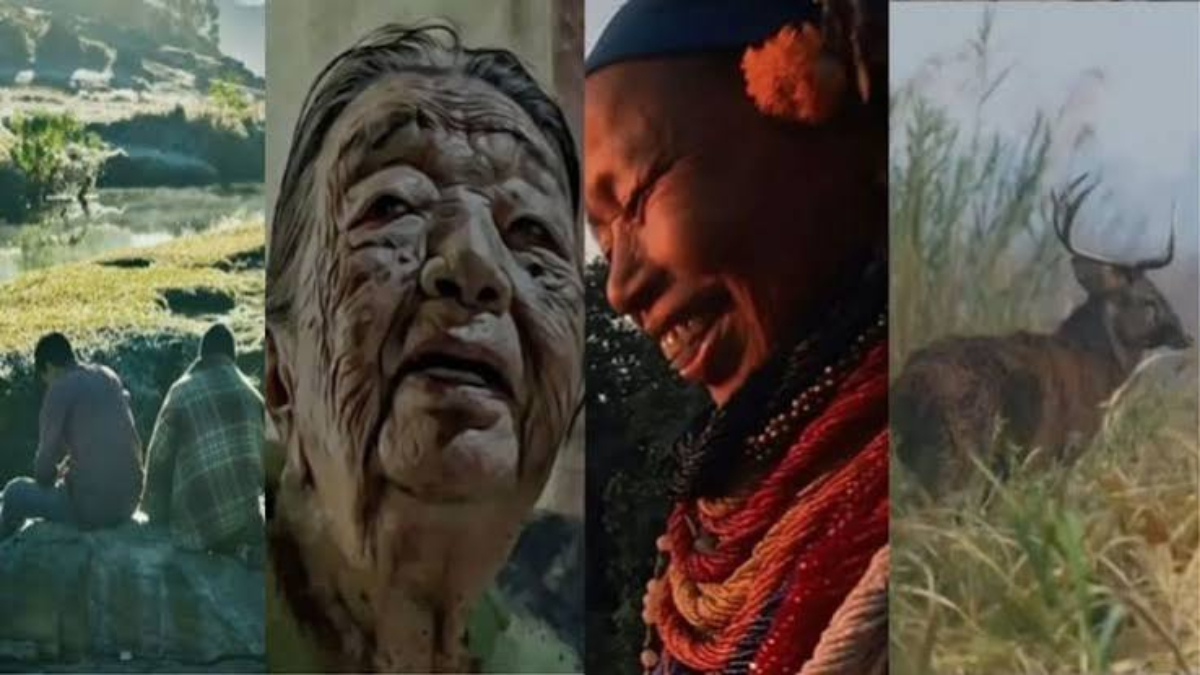
MIFF 2026 is putting North-East India’s diverse voices on a wider cinematic map through a dedicated showcase of short fiction and documentaries. Held from June 15 to 21, it brought these stories before national and international audiences, covering memory, identity, tradition, history and environmental change.
A dedicated window for regional voices
At MIFF 2026, the language diversity matters because the films do not simply present the region as a single cultural space. Instead, they foreground different communities, histories and lived experiences.
MIFF 2026 includes seven films, covering subjects that range from family grief and indigenous traditions to forgotten freedom fighters and wildlife conservation.
Stories of identity and memory
Khasi-language short film Ka Pateng, directed by Sankirang L. Khongwir, centres on three estranged siblings who return home after their mother’s death. Their reunion brings old memories, personal tensions and a hidden secret to the surface.
Tripura appears through My Last Face: Flat-Nose (My Last Face: Kungbara), directed by Sujit Debbarma and Pranab Jyoti Deka. The documentary examines the traditional attire and ornaments of the Reang community. It treats these objects as more than decoration, showing how they carry beliefs, identity, spirituality and ancestral knowledge across generations.
Shangrila – The Hidden Paradise takes viewers to Sikkim. Directed by Samten Bhutia, the 2025 documentary looks beyond the state’s well-known landscapes and tourism appeal to explore lesser-known history, culture and geography.
MIFF 2026 highlights overlooked lives
The documentary Lentina Ao – A Light on the Eastern Horizon records the life and legacy of social worker Lentina Ao. Directed by Sanjib Parasar and Nilakshi Medhi, it follows her journey from becoming a midwife in the Naga Hills in 1955 to decades of work for the welfare of Naga communities.
Assam’s contribution, Teens of 1942 (Biyallisar Larali), directed by Samiran Deka, revisits the lives of teenage freedom fighters Bholanath Nagaria and Radha Bora. By reconstructing fragmented memories, the documentary brings lesser-known figures from the freedom struggle into a contemporary cultural conversation.
Tradition, belief and a changing landscape
Mizoram’s The Healing Priest (Puithiam), directed by Napoleon RZ Thanga, explores the relationship between traditional belief and modern concerns. The nine-minute Mizo-language fiction follows a young man searching for a cure for his sick father and draws on the Daibawl healing ritual associated with the Puithiam.
It places inherited beliefs alongside contemporary anxieties about health and wellbeing.
Manipur Brow Antlered Deer (Sangai), directed by Akanksha Sood Singh, shifts the focus to conservation. The bilingual Manipuri-English documentary follows the endangered Sangai deer in Manipur’s floating grasslands. Its subject links wildlife protection with the fragile relationship between habitat, society and the region’s wider challenges.
A wider space for North-East cinema
The significance of MIFF 2026 extends beyond the individual films. Its regional focus gives local stories space within a major festival.
The festival also featured competitions, curated sections, masterclasses, workshops, screenings and the WAVES Doc Bazaar. These platforms connect filmmakers with audiences, peers and industry professionals.
For North-East cinema, MIFF 2026 also demonstrates the range of stories emerging from the region. The films move between intimate family drama, community heritage, historical memory, indigenous belief and environmental conservation. Their diversity challenges any single narrative of the North-East.
The curated selection also shows how regional filmmaking can connect personal experience with larger questions. A family reunion can become a record of changing social relationships, while clothing, ritual, memory and wildlife can reveal how communities understand continuity, belonging and change.
By placing these films in Mumbai, MIFF 2026 gave stories from the region a prominent national platform while retaining their local languages and cultural contexts. The result is a programme that connects regional storytelling with a wider audience without reducing its complexity. For filmmakers and viewers alike, the showcase underlines how cinema can preserve memory, document change and bring lesser-heard voices into public view today.
Tripura’s Neermahal Water Festival Returns to Melaghar From October 7