

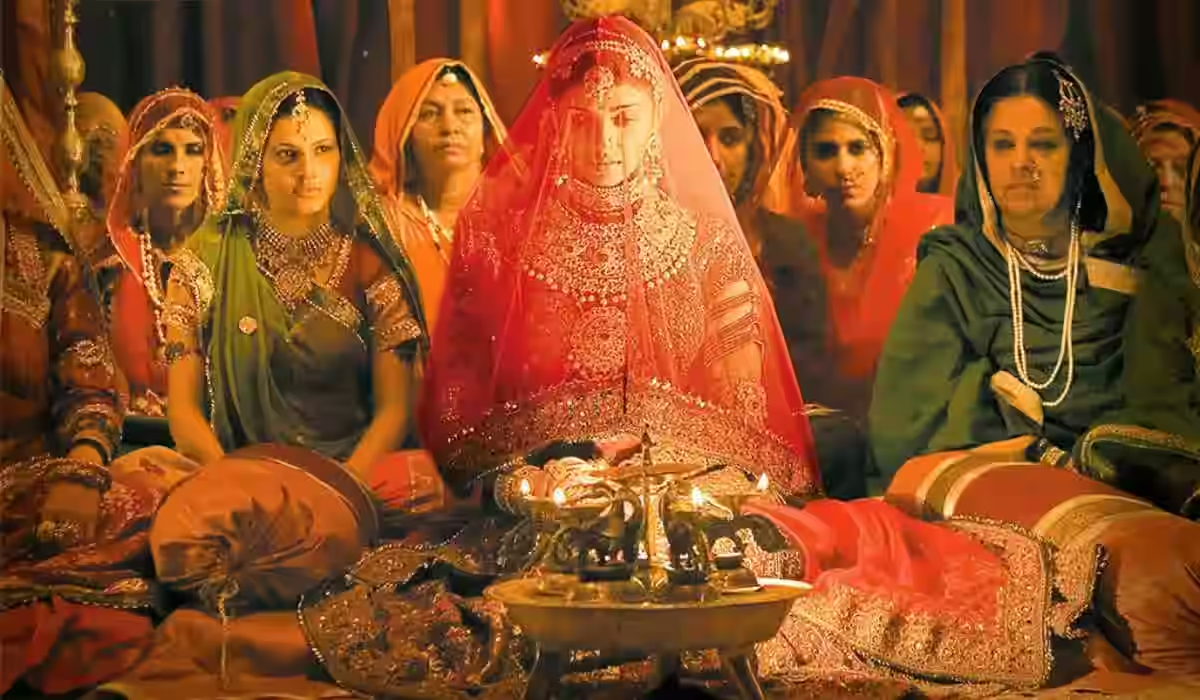
The Academy Museum has unveiled another masterpiece in its Colour in Motion exhibition, showcasing the iconic red wedding lehenga worn by Aishwarya Rai Bachchan in the 2008 historical epic Jodhaa Akbar. Designed by the renowned Indian couturier Neeta Lulla, the lehenga is a testament to intricate craftsmanship and rich cultural heritage, making it one of the most memorable pieces from Indian cinema. This addition to the prestigious exhibition highlights the global recognition of Indian fashion and its significance in film history.
The lehenga, which became an unforgettable symbol of Jodhaa Akbar, was featured in one of the film’s most pivotal and visually stunning sequences. As Aishwarya Rai Bachchan graced the screen as Jodhaa, the royal princess, her wedding attire became an integral part of the character’s persona, symbolizing elegance, royalty, and cultural tradition. Lulla’s design perfectly complemented the grandeur of the film and became an iconic representation of Indian bridal couture.
Lulla, known for her exquisite attention to detail, spoke about the creative process behind the design in a recent interview. “The challenge was to ensure that no fabric shines excessively,” she explained. “The lighting in films is very different from the real world, so the fabric has to be carefully selected and finished. In a scene where the lehenga would be under a lot of bright lights, I had to ensure it was beautiful without overwhelming the viewer.”
The ensemble was meticulously crafted using a variety of luxurious materials, including velvet, silk, and chiffon, all of which enhanced the fabric’s appearance under the cinema’s bright lights. The real marvel of the lehenga, however, lies in its intricate zardozi embroidery. Zardozi, a centuries-old technique that uses metal threads to create rich, detailed designs, is a true hallmark of traditional Indian craftsmanship. Lulla’s use of this technique added layers of complexity to the lehenga, making it not only a fashion statement but also a cultural masterpiece.
What sets this lehenga apart from other bridal outfits is the hidden artistic element— a meticulously crafted peacock, India’s national bird. The peacock, rendered entirely in jewels, added an extra layer of artistry to the ensemble. The detailed embroidery was not just a fashion choice, but a nod to the country’s rich history and the symbolic significance of the peacock in Indian culture. The peacock, with its vibrant plumage, embodies grace, beauty, and regal splendor, all qualities befitting the royal character of Jodhaa in the film.
Lulla’s design had to meet the dual demands of cinema and tradition. The lehenga had to look authentic and royal, yet functional on screen. The fit was just as crucial as the look, ensuring that it moved beautifully on-screen without losing any of its dramatic effect. The lehenga’s craftsmanship, combined with its seamless integration into the film’s aesthetic, helped make it a truly iconic piece in Bollywood fashion history.
Reflecting on the significance of showcasing the lehenga at The Academy Museum, Lulla expressed her pride in the recognition of Indian cinema’s contribution to global culture. “For the lehenga to be featured at The Academy Museum is truly an honor. It highlights not just the beauty of Indian couture but also the cultural significance that our designs hold,” she said.
The Academy Museum’s Colour in Motion exhibition, which celebrates the vibrant use of color in film costumes, offers an unparalleled glimpse into the world of cinematic fashion. By showcasing the lehenga from Jodhaa Akbar, the museum brings attention to the fusion of Indian artistry and global cinema. This recognition affirms the power of fashion in film to transcend cultural boundaries and inspire audiences worldwide.
The inclusion of this iconic lehenga in the exhibition is not just a celebration of Jodhaa Akbar’s visual brilliance, but also a tribute to the immense talent of Neeta Lulla. With her careful attention to detail and devotion to her craft, Lulla has helped elevate Indian fashion on the global stage, earning a well-deserved place in film history.
As the lehenga from Jodhaa Akbar is now part of The Academy Museum’s exhibition, it also serves as a reminder of the film’s broader cultural impact. Jodhaa Akbar was not just a film about historical royalty; it was a celebration of India’s rich textile heritage, with Lulla’s costumes playing a pivotal role in establishing the grandeur and authenticity of the period drama. The film’s costume design, particularly Aishwarya Rai Bachchan’s iconic wedding lehenga, resonated with audiences for its attention to detail and its seamless integration with the story of love, power, and politics.
The inclusion of such a detailed and culturally rich garment in The Academy Museum also underscores the importance of collaboration between costume designers and filmmakers. Lulla’s lehenga was not just a creation for a character; it became a powerful tool in storytelling. The fabric, embroidery, and intricate craftsmanship of the lehenga symbolized the era and character of Jodhaa while also contributing to the emotional depth of the scenes. This dynamic interplay between costume and character made the garment more than just an aesthetic choice – it became a visual storyteller in its own right.
Moreover, the red lehenga continues to be a source of inspiration for brides and fashion enthusiasts around the world. The use of traditional embroidery techniques, like zardozi, and the integration of Indian cultural symbols such as the peacock, have sparked renewed interest in preserving and celebrating Indian textile arts. Lulla’s creation stands as a testament to how contemporary fashion can blend with timeless techniques to create something truly iconic. For many brides-to-be, the lehenga represents the pinnacle of bridal elegance, combining luxury with heritage.
The red lehenga’s presence at The Academy Museum also highlights the increasing recognition of Indian cinema and its artistic contributions to global culture. Indian filmmakers, designers, and artists are gradually gaining more international acclaim, and this inclusion signals that the world is beginning to truly appreciate the richness and diversity of Indian artistry. It marks a significant milestone for Indian fashion and Bollywood, as they continue to receive the global recognition they deserve for their cultural influence and innovation.
This remarkable ensemble’s journey from the film set to The Academy Museum is a proud moment not only for Neeta Lulla but also for the entire Indian film industry. As the legacy of Jodhaa Akbar and its stunning costume design is celebrated on such a prominent platform, it reiterates the fact that fashion is not just about style – it is an art form that has the power to shape narratives, represent culture, and leave a lasting impact on audiences across the world.