


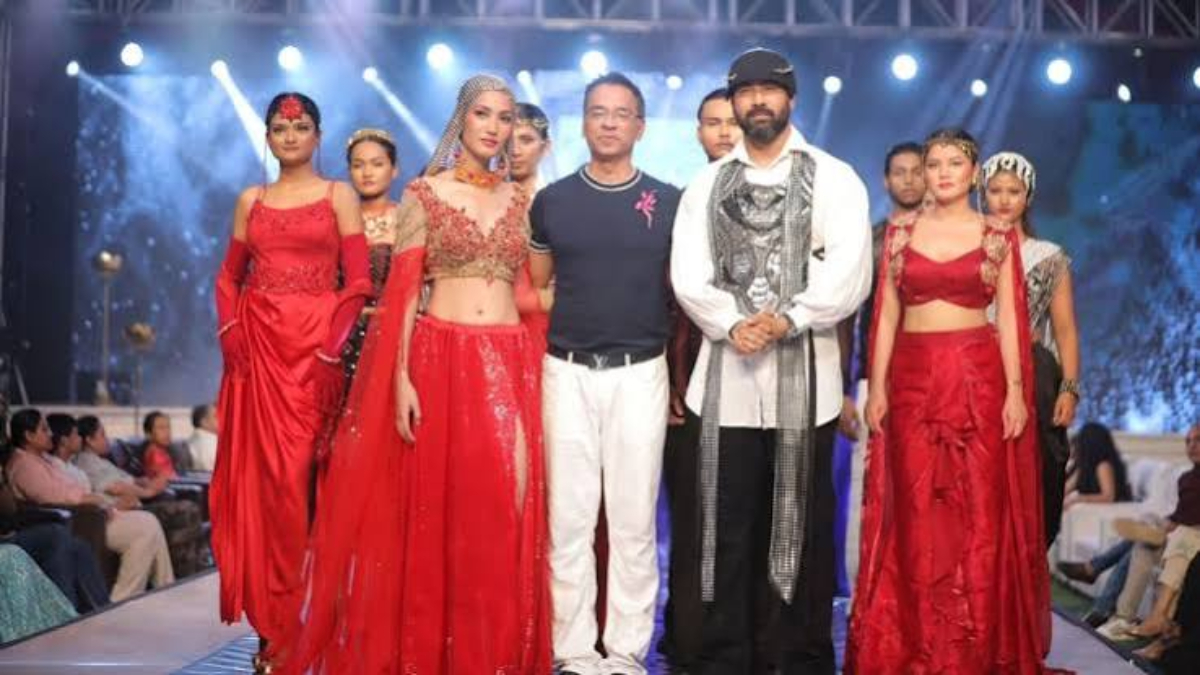
Northeast International Fashion Week has reached a significant milestone by celebrating its 10th edition with sustainability taking center stage. The landmark fashion event brought together renowned designers, emerging talents, artisans, and fashion enthusiasts from across Northeast India and beyond, highlighting the region’s rich textile heritage while promoting environmentally responsible fashion practices. The anniversary edition showcased how the fashion industry can blend creativity with sustainability, encouraging the use of eco-friendly fabrics, ethical production methods, and traditional craftsmanship.
A Decade of Fashion Excellence
Over the past ten editions, Northeast International Fashion Week has evolved into one of the region’s premier fashion platforms. Since its inception, the event has aimed to provide designers from the eight northeastern states with an opportunity to showcase their collections on a professional runway while connecting them with national and international audiences.
The 10th edition celebrated this journey by reflecting on the event’s achievements and setting a new direction focused on sustainable fashion. Organizers emphasized that fashion must not only celebrate style but also encourage responsible consumption and environmentally conscious production.
The event featured runway presentations, interactive sessions, exhibitions, and networking opportunities that highlighted innovation alongside cultural preservation.
Northeast International Fashion Week Highlights Sustainable Fashion
One of the defining themes of this year’s edition was sustainability. Designers incorporated eco-friendly materials such as organic cotton, bamboo fiber, handwoven textiles, recycled fabrics, and naturally dyed garments into their collections.
Many participants showcased clothing produced using traditional weaving techniques that require minimal industrial processing, thereby reducing environmental impact. Several collections also promoted slow fashion by focusing on quality craftsmanship instead of mass production.
Experts participating in the event discussed how sustainable fashion is becoming increasingly important as consumers seek ethical alternatives that reduce waste and support local communities.
Traditional Weaving Meets Modern Design
The fashion week placed a strong emphasis on preserving the Northeast’s rich textile traditions while adapting them to contemporary fashion trends.
Designers creatively used indigenous fabrics from Assam, Nagaland, Manipur, Mizoram, Meghalaya, Tripura, Arunachal Pradesh, and Sikkim. Traditional handloom products, intricate embroidery, and tribal motifs were integrated into modern silhouettes suitable for domestic and global markets.
This fusion of heritage and innovation demonstrated that traditional textiles remain relevant in today’s evolving fashion industry.
The event also provided valuable exposure for local weavers and artisans whose handcrafted products continue to gain recognition for their quality and authenticity.
Platform for Emerging Designers
Apart from established names, the anniversary edition served as a launchpad for young designers seeking recognition in the competitive fashion industry.
Students from fashion institutes and independent designers showcased collections that reflected innovation, sustainability, and cultural identity. Industry experts, buyers, and fashion professionals attended the event, offering networking opportunities that could help participants expand their careers.
Workshops and mentoring sessions also enabled aspiring designers to understand evolving market demands, branding strategies, and sustainable production methods.
Industry Discussions Focus on Responsible Growth
Panel discussions during the event addressed several important issues facing the fashion industry.
Experts explored topics including sustainable sourcing, ethical manufacturing, circular fashion, waste reduction, and the growing demand for environmentally friendly products. Speakers stressed that the future of fashion depends on balancing commercial success with environmental responsibility.
Discussions also highlighted how government support, skill development, and digital marketing can help Northeast India’s textile sector reach wider markets while maintaining sustainable practices.
Promoting Northeast India’s Cultural Identity
The event once again demonstrated the cultural diversity of Northeast India through fashion.
Each participating state showcased distinctive weaving styles, fabrics, colors, and traditional attire that represent generations of craftsmanship. Fashion shows celebrated indigenous identities while presenting collections designed for contemporary consumers.
The platform also encouraged collaborations between designers and artisan communities, helping preserve traditional skills while generating sustainable livelihoods.
With increasing national and international attention, fashion experts believe the region possesses tremendous potential to become an important hub for sustainable textile production and ethical fashion.
Economic Opportunities Through Fashion
Beyond creativity, the fashion industry contributes significantly to employment and entrepreneurship across the Northeast.
Events such as Northeast International Fashion Week help promote tourism, increase demand for local handloom products, and create new business opportunities for designers, weavers, photographers, makeup artists, models, and event professionals.
The sustainability-focused edition reinforced the importance of supporting local supply chains that benefit rural artisans while reducing dependence on environmentally harmful production methods.
As consumer awareness grows, sustainable products from Northeast India are expected to attract greater interest from both domestic and international buyers.
Looking Ahead
The successful completion of the 10th edition marks an important milestone for Northeast International Fashion Week and reflects the growing influence of Northeast India’s fashion ecosystem. By combining traditional craftsmanship with sustainable innovation, the event has positioned itself as an important platform promoting ethical fashion, cultural preservation, and creative entrepreneurship.
As the industry continues to evolve, the emphasis on sustainability is expected to shape future editions, encouraging designers to develop environmentally responsible collections without compromising creativity. With stronger collaborations between artisans, designers, policymakers, and industry stakeholders, the Northeast is well-positioned to become a leading destination for sustainable fashion in India and beyond.
Assam Assembly passes bill to transform Majuli University into multidisciplinary institution