


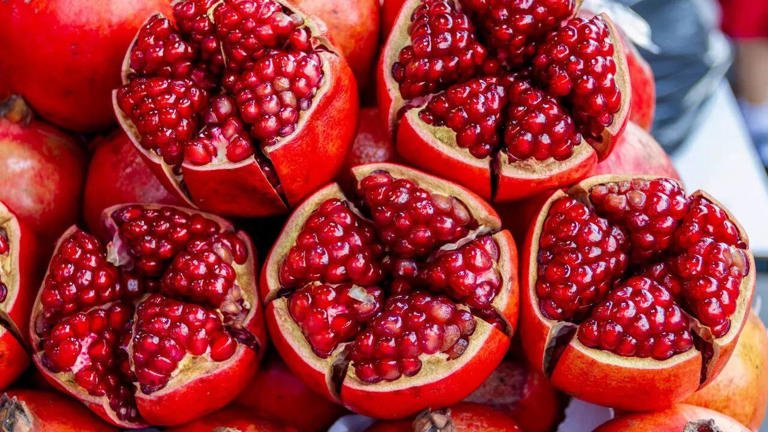
Pomegranates are often praised as superfoods because of their antioxidants, vitamins, and minerals. They boost heart health, improve immunity, and add a refreshing taste to any meal. While this fruit has many advantages, it may not be suitable for everyone. Certain groups of people may face side effects or health risks if they consume it regularly. To stay safe, it is important to know the types of people who should not eat pomegranates.
Read More: 5 Amazing Health Benefits of Eating Papaya in the Morning
People with Low Blood Pressure
Pomegranates are known to naturally lower blood pressure due to their high potassium and antioxidant content. While this is beneficial for many, people who already have low blood pressure should be cautious. Eating pomegranates can further reduce their blood pressure, leading to dizziness, fainting, or fatigue. If you already take medications to control blood pressure, adding pomegranates may cause unwanted drops. Therefore, people with consistently low blood pressure are among those who should not eat pomegranates regularly.
People Taking Certain Medications
Another group of people who should not eat pomegranates includes those on specific medications. Pomegranate juice can interfere with drugs such as blood thinners, cholesterol medicines, and medications for high blood pressure. The compounds in the fruit may reduce the effectiveness of these drugs or increase their impact, leading to harmful side effects. For example, combining pomegranate with blood thinners may increase the risk of bleeding. If you are on regular medication, consult your doctor before adding pomegranates to your diet.
People with Allergies to Pomegranates
Though rare, some individuals are allergic to pomegranates. Symptoms can include itching, rashes, swelling, or even breathing difficulties after eating the fruit. People with fruit-related allergies should be careful, as cross-reactions can sometimes occur. In severe cases, allergic reactions can lead to anaphylaxis, which requires immediate medical attention. Anyone who experiences discomfort after consuming pomegranate should stop eating it and seek medical advice. Clearly, people with such allergies should not eat pomegranates in any form.
People with Digestive Disorders
Pomegranates are rich in fiber, which is generally good for digestion. However, for individuals with certain digestive disorders like irritable bowel syndrome (IBS), excess fiber can cause problems. Eating too many pomegranate seeds may lead to bloating, gas, or stomach cramps. In some cases, the seeds may even worsen constipation or cause intestinal blockages if consumed in large amounts. Therefore, people who struggle with sensitive digestion or chronic stomach issues should limit or avoid eating pomegranates.
People Preparing for Surgery
The last group of people who should not eat pomegranates includes those preparing for surgery. Since pomegranates can thin the blood and affect blood pressure, they may increase the risk of complications during operations. Doctors often advise patients to avoid certain foods before surgery, and pomegranates are usually on that list. If you are scheduled for a medical procedure, it is best to avoid pomegranates at least two weeks before the operation to ensure safety.
Why Awareness Matters
Pomegranates are a nutritious fruit that offers many health benefits. However, like any food, they may not suit everyone. By knowing who should avoid them, you can make safer dietary choices. People with low blood pressure, those on specific medications, individuals with allergies, those with digestive problems, and patients preparing for surgery should be extra careful.
For most healthy individuals, pomegranates are a wonderful addition to a balanced diet. But for those at risk, moderation or complete avoidance is necessary. Consulting a healthcare professional before making dietary changes is always a wise decision.
Safer Alternatives to Pomegranates
If you fall into any of these groups, you can still enjoy other fruits with similar benefits. Oranges, apples, and berries provide antioxidants and vitamins without posing the same risks. Watermelon and kiwi are also refreshing choices for boosting hydration and immunity. Choosing alternatives ensures that you don’t miss out on essential nutrients while protecting your health.
Knowing the types of people who should not eat pomegranates is essential for safe consumption. While this fruit is packed with health-boosting nutrients, it may not suit everyone. Always consider your medical condition and lifestyle before making it a regular part of your diet. With awareness and moderation, you can enjoy the benefits of fruits while avoiding unnecessary health risks.
Read More: 7 Reasons to Choose Assam for Your Next Nature Travel