


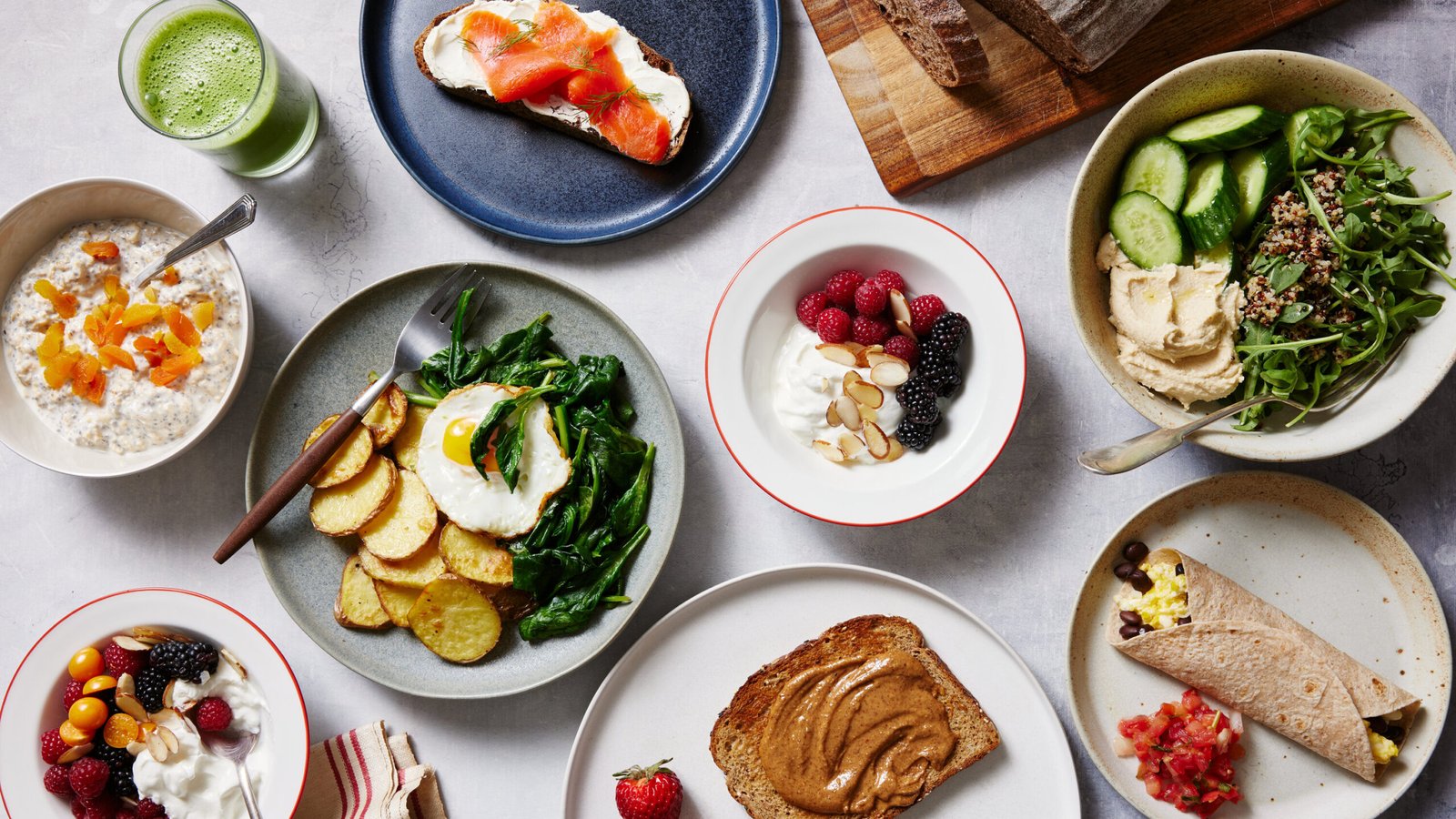
Breakfast is often called the most important meal of the day. However, some popular choices can silently increase your cholesterol levels over time. Many people start their mornings with convenience or taste in mind, but some everyday items may fall under the category of cholesterol-raising breakfast foods.
Understanding what you eat and how it affects your health is crucial, especially if you’re at risk of heart disease or managing existing cholesterol issues. In this article, we’ll explore six common breakfast items that may contribute to high cholesterol—and how you can make smarter substitutions.
Read More: Assam CM Reviews Projects with Nitin Gadkari in Delhi
1. Processed Meats Like Bacon and Sausages
Processed meats such as bacon, sausages, ham, and salami are staple items in many breakfast menus, especially in Western-style diets. These meats are not only high in saturated fat but also contain added preservatives and sodium.
Saturated fats can raise LDL (bad) cholesterol levels, which increases the risk of clogged arteries. Furthermore, nitrates and sodium used in processing have been linked to heart-related issues when consumed frequently.
Switching to lean protein options like grilled chicken breast, tofu, or legumes in the morning can reduce your intake of these cholesterol-raising breakfast foods.
2. Fried Eggs and Butter-Heavy Omelets
Eggs themselves are not the enemy, but the way you prepare them can make a significant difference. A fried egg cooked in butter or paired with cheese and sausage quickly becomes high in saturated fat.
Many people enjoy rich omelets with butter, whole milk, and cheese for extra flavor. While tasty, this combination contributes heavily to cholesterol levels when eaten regularly.
To enjoy eggs more healthily, opt for boiled, poached, or scrambled eggs made with olive oil or non-dairy milk. Adding veggies can boost fiber and help balance the meal.
3. Full-Fat Dairy Products
Full-cream milk, butter, cream cheese, and full-fat yogurt are often used in breakfast cereals, toast spreads, and smoothies. These dairy products are high in saturated fat and can increase cholesterol levels when consumed in excess.
One cup of full-fat milk contains nearly 5 grams of saturated fat, which is about 25% of the recommended daily intake. Consuming it along with other high-fat breakfast items compounds the effect.
Switching to low-fat or plant-based dairy alternatives can help reduce your intake of cholesterol-raising breakfast foods without sacrificing flavor.
4. Commercial Baked Goods
Store-bought muffins, pastries, croissants, doughnuts, and even some “healthy” granola bars often contain trans fats, added sugars, and refined flour. These ingredients are a triple threat to your heart.
Trans fats, although banned in many countries, may still appear in trace amounts in pre-packaged or bakery items. These fats raise LDL cholesterol and lower HDL (good) cholesterol, making them especially dangerous.
If you love baked goods, consider baking at home using whole grain flour, plant oils, and natural sweeteners like honey or fruit puree for a healthier breakfast.
5. Sugary Breakfast Cereals
Many breakfast cereals marketed as “heart-healthy” or “fortified with vitamins” are loaded with added sugars and refined carbs. These cereals may have little to no fiber, which is essential for managing cholesterol levels.
While they may be low in fat, their high sugar content can lead to weight gain and increased triglycerides. Both are contributing factors to poor heart health and high cholesterol.
Instead of sugary cereals, opt for oatmeal topped with fresh fruits, nuts, and a drizzle of honey. This swap not only lowers your sugar intake but also increases your fiber consumption.
6. White Bread Toast with Butter or Margarine
White bread is made from refined flour, which lacks fiber and nutrients. When you top it with butter or hydrogenated margarine, it becomes one of the most common cholesterol-raising breakfast foods.
Margarines, especially the older versions, can contain trans fats unless labeled otherwise. Butter, while natural, is high in saturated fat. Both can negatively impact your cholesterol profile when eaten daily.
A healthier alternative is whole-grain toast with avocado, hummus, or nut butter. These options contain healthy fats and more fiber, helping your body manage cholesterol better.
Why This Matters: The Long-Term Impact
Eating high-cholesterol foods occasionally may not harm a healthy individual. However, making these foods part of your daily breakfast routine can significantly increase the risk of heart disease, stroke, and other cardiovascular conditions.
Many people don’t realize how breakfast sets the tone for the day. If your first meal is rich in saturated fats and sugar, it can lead to increased appetite, sluggish digestion, and elevated cholesterol over time.
Being mindful of your choices can lead to better heart health, increased energy, and even weight loss.
Healthier Breakfast Tips
To avoid cholesterol-raising breakfast foods, try incorporating the following:
- Oats and chia seeds: Rich in soluble fiber that helps reduce LDL cholesterol
- Fruits and berries: Packed with antioxidants and fiber
- Nuts and seeds: Provide healthy fats and promote satiety
- Plant-based milk: Lower in saturated fat compared to dairy
- Smoothies: Made with leafy greens, banana, berries, and flaxseed
Planning ahead and keeping healthy options available makes it easier to make smarter choices in the morning.
Read More: Kamrup Mobile Medical Units Launched to Aid Remote Assam