


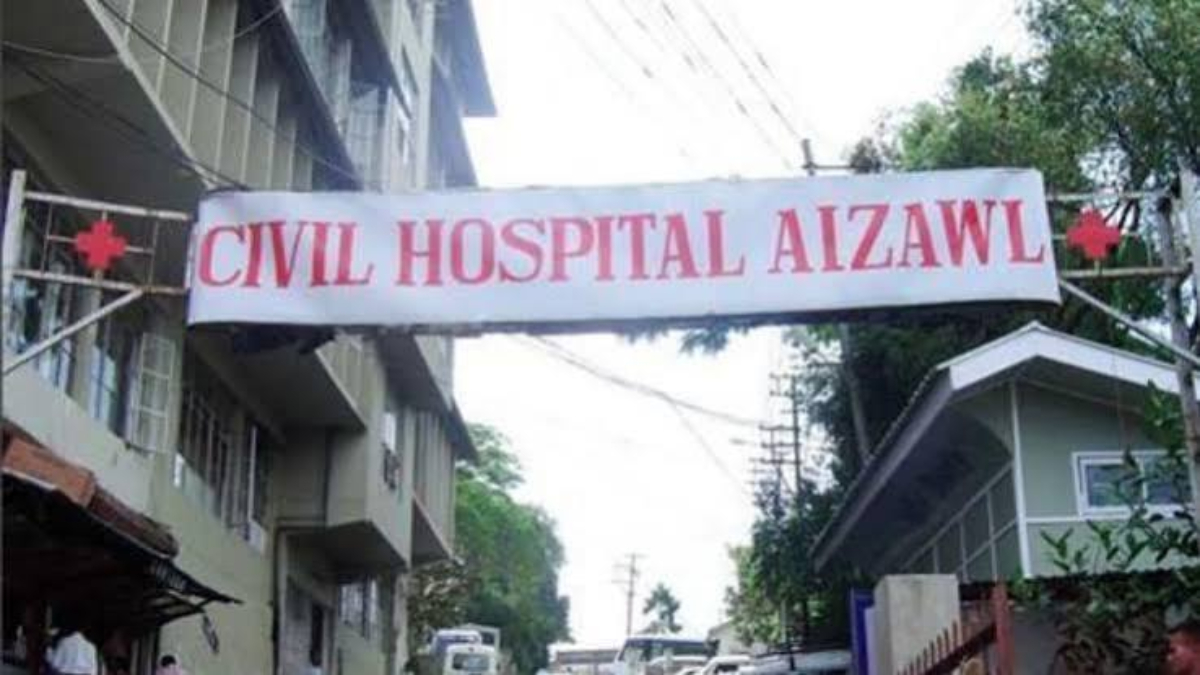
Leadless pacemaker implantation has been successfully performed for the first time in Mizoram at Civil Hospital Aizawl, marking a major advance in the state’s cardiac-care services. The procedure was carried out on October 5 by a team of cardiologists led by Dr Loncy V. Lalzarliana and Dr Isak Lallawmkima, under the guidance of Dr Uday Shankar Das of Apollo Multispeciality Hospital, Kolkata. The milestone was announced by Mizoram Health Minister Lalrinpuii on October 6.
First leadless pacemaker procedure in Mizoram
The landmark procedure involved a 67-year-old pensioner who received the device under the Mizo Universal Health Care Scheme (MUHCS). According to Dr Loncy, conventional pacemaker procedures had been performed at the hospital before, but this was the first time the newer leadless technology was used in the state.
The procedure represents an important development for patients requiring advanced treatment for slow heart rhythms. It also demonstrates the growing ability of Civil Hospital Aizawl to provide specialised cardiac interventions locally, reducing the need for patients to travel outside Mizoram for certain procedures.
Health Minister Lalrinpuii said the achievement is expected to strengthen the cardiac-care capabilities of the state-run hospital. She described it as a significant step towards making advanced heart treatment available within Mizoram.
How the new device differs from conventional pacemakers
A traditional pacemaker generally involves placing a generator inside a pocket created beneath the skin, with one or more leads running through blood vessels to the heart. A leadless system works differently.
The leadless pacemaker is placed directly inside the heart through a catheter inserted through the femoral vein. This means the procedure does not require a chest incision to create a device pocket or conventional leads passing through blood vessels. The approach is therefore less invasive than traditional pacemaker implantation.
The device used in the Mizoram procedure was Abbott’s AVEIR VR system. Abbott says the single-chamber ventricular system is designed for patients who require ventricular pacing for conditions including significant bradycardia and certain rhythm disorders.
Longer battery life adds to its appeal
Another important feature of the AVEIR VR system is its projected battery longevity. Mizoram’s Health Minister said the device is designed to last more than 18 to 21 years, compared with roughly nine to 11 years generally associated with conventional pacemakers.
Abbott has also highlighted features including electrical mapping before fixation and the ability to retrieve the device if treatment requirements change. The company launched the AVEIR VR system in India in November 2024 after regulatory approval for use in the country.
These features can offer doctors additional options when selecting pacing treatment for suitable patients. However, the choice between a conventional pacemaker and a leadless system depends on an individual patient’s medical condition and clinical requirements.
Civil Hospital’s expanding cardiac capabilities
The latest achievement comes about a year after a cardiac catheterisation laboratory was installed at Civil Hospital Aizawl in 2025. The facility has expanded the hospital’s capacity to perform specialised cardiac procedures.
The hospital has since undertaken several cardiac interventions, including coronary angiography, angioplasty and stenting, as well as conventional permanent and temporary pacemaker implantations. A recent account of the hospital’s development reported 44 permanent pacemaker implantations and 12 temporary pacemaker procedures during the 2025–26 period.
The expansion is significant for Mizoram, where access to advanced specialist treatment has historically been a major healthcare concern because of the state’s geographical location and terrain.
A new step for cardiac treatment in Mizoram
The successful leadless pacemaker implantation adds another specialised procedure to the services available at Civil Hospital Aizawl. It also reflects the growing role of modern cardiac technology in state-run healthcare facilities.
For the patient involved, the procedure provided access to advanced cardiac treatment under the state’s universal healthcare scheme. For Mizoram’s public health system, meanwhile, the achievement strengthens local expertise and infrastructure in cardiac care.
With the installation of the Cath laboratory followed by increasingly complex interventions, Civil Hospital Aizawl is emerging as a stronger centre for specialised heart treatment in the state. The first leadless procedure could therefore become an important foundation for expanding advanced cardiac services and improving access to modern treatment for patients across Mizoram.
Jantar Mantar Protester’s Bold Police Challenge Ends Abruptly as Detention Video Goes Viral