


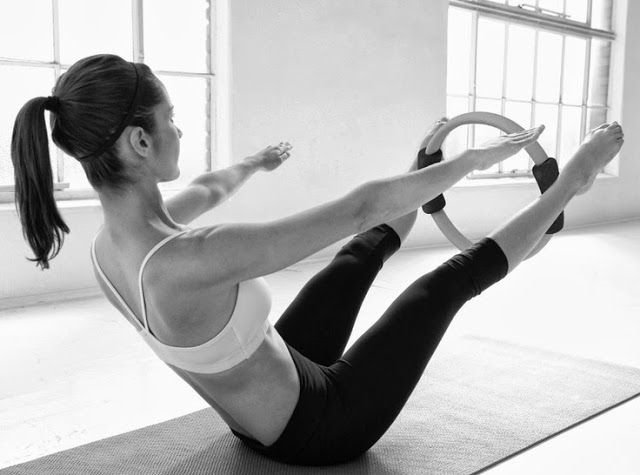
Choosing between Yoga vs. Pilates can feel overwhelming, especially with both practices offering physical, mental, and emotional benefits. Whether you’re seeking stress relief, core strength, flexibility, or low-impact movement, understanding the key differences between yoga and Pilates can help you decide which is better suited to your fitness goals and lifestyle.
In this comprehensive guide, we’ll break down the origins, benefits, challenges, and best use cases of Yoga vs. Pilates, helping you make a confident and informed decision.
What Is Yoga?
Yoga is an ancient Indian discipline that combines physical postures (asanas), breathing techniques (pranayama), and meditation. Its roots date back over 5,000 years and it aims to create a connection between the mind, body, and spirit.
Common Styles of Yoga
- Hatha Yoga – Gentle and beginner-friendly
- Vinyasa Flow – Dynamic sequences focused on movement and breath
- Ashtanga Yoga – Intense and structured practice
- Bikram/Hot Yoga – Performed in heated rooms
- Yin Yoga – Deep stretching, holding poses for longer periods
Yoga is deeply spiritual and meditative, emphasizing balance, mindfulness, and inner awareness.
What Is Pilates?
Pilates is a physical fitness system developed in the early 20th century by Joseph Pilates, originally for rehabilitation. It focuses on core strength, alignment, and controlled movement using both bodyweight and specialized equipment like reformers.
Two Types of Pilates
- Mat Pilates – Uses your own body weight for resistance
- Reformer Pilates – Uses a spring-loaded machine to enhance workouts
Pilates is grounded in precision, posture, and muscle control, making it ideal for strengthening and toning the body without bulk.
Key Differences Between Yoga and Pilates
| Feature | Yoga | Pilates |
|---|---|---|
| Origin | Ancient India | Early 20th-century Germany |
| Focus | Mind-body-spirit connection | Core strength and alignment |
| Spiritual Aspect | Yes (meditation, breathwork) | Minimal |
| Equipment Needed | Mat (sometimes blocks/straps) | Mat or reformer machine |
| Flexibility | High emphasis | Moderate focus |
| Core Engagement | Present but less targeted | Central focus |
| Breathing Style | Deep belly breathing (pranayama) | Lateral ribcage breathing |
| Goal | Holistic well-being | Physical strength and posture |
Benefits of Yoga
- Improves Flexibility and Balance
- Reduces Stress and Anxiety
- Boosts Respiratory Health
- Increases Mindfulness and Self-Awareness
- Enhances Sleep Quality
- Supports Spiritual Growth
For people seeking a blend of physical exercise and mental peace, yoga offers a comprehensive solution.
Recommended for: Stress relief, flexibility, inner peace, and people with anxiety.
Benefits of Pilates
- Strengthens the Core Muscles
- Improves Posture and Alignment
- Aids in Injury Prevention and Recovery
- Builds Long, Lean Muscle Tone
- Enhances Body Awareness
- Promotes Spinal Health and Stability
Pilates is ideal for athletes, dancers, or anyone recovering from injury and looking for low-impact, strength-based training.
Recommended for: Core strength, back pain relief, muscle tone, and rehabilitation.
Yoga vs. Pilates: Which Is Right for You?
Choosing Yoga vs. Pilates depends on your personal goals:
Choose Yoga if you want to:
- Relieve mental stress and anxiety
- Improve flexibility and balance
- Engage in meditation or spiritual practices
- Improve breathing techniques
- Enjoy a flow-based, calming workout
Choose Pilates if you want to:
- Build a strong, stable core
- Correct posture and alignment issues
- Recover from injury with low-impact exercises
- Improve muscle tone and overall strength
- Focus on controlled, targeted movement
Medical and Therapeutic Use
Both Yoga and Pilates are used for physical therapy and mental health support.
- Yoga is widely recommended for anxiety, depression, arthritis, and chronic pain.
- Pilates is favored for post-rehabilitation, back injuries, and postnatal recovery.
How Often Should You Practice?
- Yoga: 3–5 times a week for flexibility and relaxation
- Pilates: 2–4 times a week for strength and posture
Combining both practices offers the best of both worlds — inner peace and outer strength.
Can You Combine Yoga and Pilates?
Absolutely. Many fitness professionals recommend integrating both. A weekly routine might include:
- 2 days of Pilates (core, posture, strength)
- 2–3 days of Yoga (flexibility, breath, mental health)
This balanced approach enhances total wellness.
Yoga vs. Pilates — There’s No Wrong Choice
In the Yoga vs. Pilates debate, the winner is you. Each discipline has unique strengths, and both lead to better health, improved mood, and greater physical resilience.
Choose the one that aligns with your current needs — or better yet, try both. Your body and mind will thank you.
READ MORE: North Eastern Council Youth Training Funding Empowers 400 Trainees with ₹51 Lakh Boost