

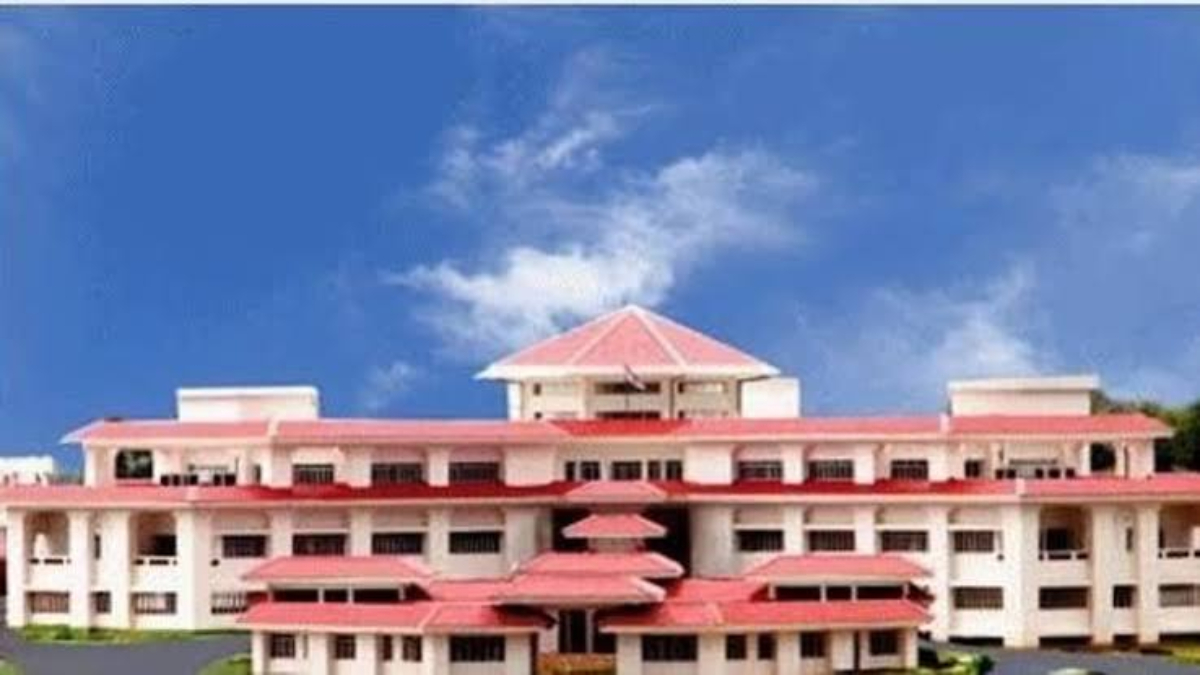
The Tripura High Court Manik Sarkar plea has drawn attention to the legal proceedings involving the former Tripura chief minister after the court rejected his request to quash a First Information Report (FIR) registered over alleged remarks. The decision means that the FIR will not be set aside through the relief sought by Sarkar at this stage.
The ruling highlights the distinction between challenging the registration of a criminal case and establishing whether the allegations have legal merit. However, the rejection of a plea to quash an FIR does not, by itself, establish the truth of the allegations or determine criminal liability.
What led to the FIR against Manik Sarkar?
The case originated from a political programme held in Agartala on August 10, 2026. Sarkar, a senior Communist Party of India (Marxist) leader and former chief minister, allegedly made remarks during the gathering that became the subject of a police complaint.
The FIR was registered at West Agartala Police Station on August 16, following a complaint by Prabir Roy. The case was registered under Sections 192, 353(1)(b) and 61(1) of the Bharatiya Nyaya Sanhita (BNS), 2023.


NewsNow India
+1
According to the complaint, Sarkar referred to intensifying a protest movement if an 11-point charter of demands raised against the state and central governments was not accepted. The complainant alleged that the remarks could encourage aggressive agitation and create concerns about public order.
However, these claims remain allegations and have not been established as proven offences.
Tripura High Court Manik Sarkar plea: What the court observed
A Division Bench comprising Justice T. Amarnath Goud and Justice Biswajit Palit dismissed the petition on October 13, 2026. The hearing had taken place on October 7.
Sarkar had approached the court seeking to quash the FIR, arguing that the allegations were baseless and that the statements attributed to him did not disclose a cognisable offence.
His counsel also disputed the interpretation of the Bengali expression allegedly used in the speech. The defence maintained that the remarks had been taken out of context and were connected to a broader protest against government policies.
The state government opposed the petition and argued that the speech and its surrounding circumstances required investigation.
The court declined to settle the disputed interpretation at this preliminary stage. It held that the allegations disclosed a prima facie basis for further investigation and that the available evidence needed to be examined before the case could be assessed more fully.
NewsNow India
+1
Police investigation to continue
The dismissal of the Tripura High Court Manik Sarkar plea allows the investigating agency to continue its inquiry into the alleged remarks.
The investigating officer has been asked to conduct a proper investigation and submit a chargesheet if sufficient evidence emerges to support a prima facie case, according to reports quoting the state government’s counsel.
Investigators are expected to examine the speech in its entirety, the circumstances in which it was delivered, the audience’s reaction and available audio-visual recordings. These details may help establish the meaning and potential implications of the words attributed to Sarkar.
The court’s decision does not mean that Sarkar has been convicted or that the allegations have been conclusively established. Instead, the legal process will continue, allowing investigators to assess the evidence and determine the appropriate next steps under the law.
India Today NE
+1
Court advises restraint in future speeches
The High Court also advised Sarkar to refrain from making provocative or hateful speeches in the future. It urged him to encourage progress, peace, harmony and fraternity among the people of Tripura.
The observation adds another dimension to the ruling, given Sarkar’s long political career and his former position as chief minister. However, the court’s refusal to quash the FIR must be distinguished from a final determination of criminal guilt.
The Bench also indicated that Sarkar could approach the appropriate lower court with a bail application. Any such application would be considered according to the applicable legal provisions and conditions. The High Court did not grant him unconditional protection from arrest through its decision on the quashing petition.
NewsNow India
+1
What happens next in the case?
The next stage will depend on the findings of the police investigation. If the investigating agency finds sufficient evidence, it may file a chargesheet. Further proceedings would then take place before the competent court in accordance with the law.
The case also raises questions about how political speeches should be assessed when their meaning is disputed and allegations of potential public disorder arise. The court’s decision indicates that such questions may require a detailed examination of the words used, their context and the available evidence rather than resolution solely through an early challenge to an FIR.
For now, the Tripura High Court Manik Sarkar plea has been dismissed, leaving the criminal investigation in place. The outcome of the case will depend on the evidence gathered and the subsequent legal proceedings. Sarkar’s guilt has not been established, and he retains the right to contest the allegations through the legal process.
Article 371F Gains Strong Backing as Sikkim Flags Darjeeling Option-4