


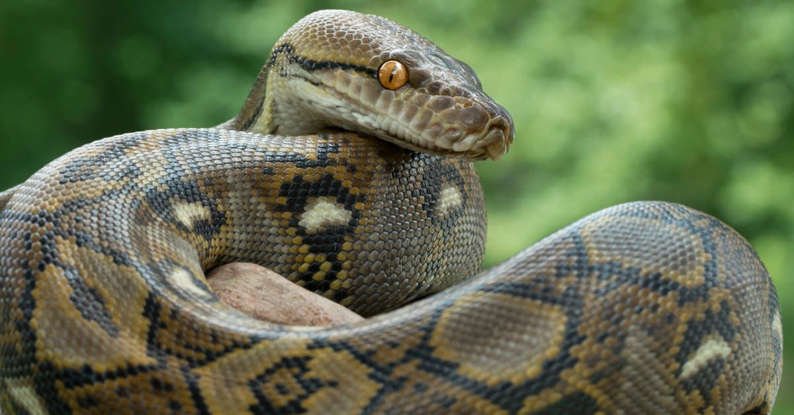
The notion of snakes eating humans has captivated imaginations for centuries, blending myth with occasional reality. While the occurrence is exceedingly rare, certain species of snakes are biologically capable of consuming humans. These cases typically arise from unusual circumstances, such as human encroachment into snake habitats or opportunistic feeding behaviors by these reptiles.
One of the most infamous species known for such behavior is the reticulated python, the world’s longest snake. Native to Southeast Asia, the reticulated python can grow over 20 feet long and is an apex predator in its ecosystem. Its powerful muscles allow it to constrict prey with immense force, effectively subduing large animals before swallowing them whole. Instances of reticulated pythons consuming humans have been documented, albeit infrequently, often in remote areas where humans and wildlife share the same space. These events highlight the snake’s extraordinary ability to stretch its jaws and body to accommodate prey much larger than its usual diet.
The African rock python, another formidable species, has also been implicated in rare cases of human predation. Found in sub-Saharan Africa, this python shares similar physical capabilities with the reticulated python. It is known for its aggressive temperament and willingness to tackle large prey, including antelopes and crocodiles. Human encounters leading to fatal outcomes typically occur in rural or wilderness areas where the snake feels threatened or finds an opportune target. The African rock python’s strength and size make it one of the few snakes capable of overpowering a human being.
The green anaconda of South America, famed for its size and strength, is another species often associated with the capacity to eat humans. Although primarily feeding on deer, capybaras, and caimans, the green anaconda is equipped to tackle prey that matches or even exceeds human dimensions. It uses its muscular body to constrict and suffocate its victims before ingestion. Despite its reputation, confirmed cases of green anacondas consuming humans are extremely rare, likely due to the species’ preference for remote, swampy habitats where human interaction is minimal.
Experts emphasize that such incidents are anomalies rather than the norm. Snakes typically avoid humans and prefer smaller prey that fits their size and energy requirements. Encounters that lead to human predation often occur when people venture into snake territories for activities like farming, logging, or hunting. In some instances, the snakes may mistake a sleeping or immobile human for natural prey, leading to tragic outcomes.
Snakes capable of consuming humans possess unique anatomical adaptations that make such feats possible. Their jaws are connected by stretchy ligaments, allowing them to open their mouths extraordinarily wide. This feature, combined with the absence of a rigid breastbone, enables the snake’s body to expand as it swallows and digests large prey. The process of digestion can take weeks, during which the snake remains relatively immobile to conserve energy.
Cultural perceptions of snakes as man-eaters have been magnified by folklore and modern media. Tales of monstrous serpents have been passed down through generations, shaping the collective imagination. Movies and documentaries often dramatize these creatures, contributing to their fearsome reputation. However, herpetologists caution against demonizing snakes, pointing out that they play vital ecological roles as predators and are not inherently aggressive toward humans.
Preventing snake-human conflicts requires education and awareness about these reptiles. In regions where large snakes coexist with human populations, locals are encouraged to take precautions, such as avoiding known snake habitats, securing livestock, and learning how to respond safely to snake encounters. Conservationists also stress the importance of preserving natural habitats to minimize forced interactions between humans and wildlife.
The fascination with snakes that can eat humans underscores the blend of awe and fear these creatures inspire. While their ability to consume humans is a biological reality, such events are rare and often misunderstood. By understanding these reptiles and respecting their role in nature, we can coexist more harmoniously with these extraordinary animals.
Survivor accounts from those who have faced large snake attacks provide chilling insights into the power of these predators. Some individuals who have narrowly escaped describe the immense pressure exerted by the snake’s coils, often comparing it to being crushed by a heavy weight with no chance to breathe. In cases where people manage to escape, it is usually due to the intervention of others or by sheer luck. These experiences highlight the importance of understanding snake behavior and the need for proper emergency response protocols in snake-prone regions.
Scientific advancements in the study of large constrictor snakes have allowed researchers to better understand their feeding habits and territorial instincts. Researchers use tracking devices and motion-sensor cameras to observe how these snakes interact with their environment and potential prey. Such studies help wildlife experts develop strategies for conservation and coexistence, ensuring that humans and snakes can share spaces without unnecessary risks. Conservation groups also work to educate local communities about snake behavior, helping them take preventive measures rather than resorting to killing these valuable predators.
Despite their fearsome reputation, large snakes play an essential role in maintaining ecological balance by controlling populations of rodents and other small mammals. Without them, ecosystems could face serious imbalances, leading to overpopulation of prey species and potential damage to crops and vegetation. Encouraging respect for these reptiles rather than fear can lead to better conservation efforts and reduce the likelihood of harmful encounters.
The portrayal of these giant snakes in myths and movies often overshadows their true nature. In popular culture, they are frequently depicted as vengeful man-eaters, creating a distorted perception of their behavior. In reality, large snakes prefer to avoid human interaction whenever possible and only attack when they feel threatened or mistake humans for prey. By dispelling myths and promoting factual knowledge, society can foster a more balanced understanding of these incredible creatures and their place in the natural world.