

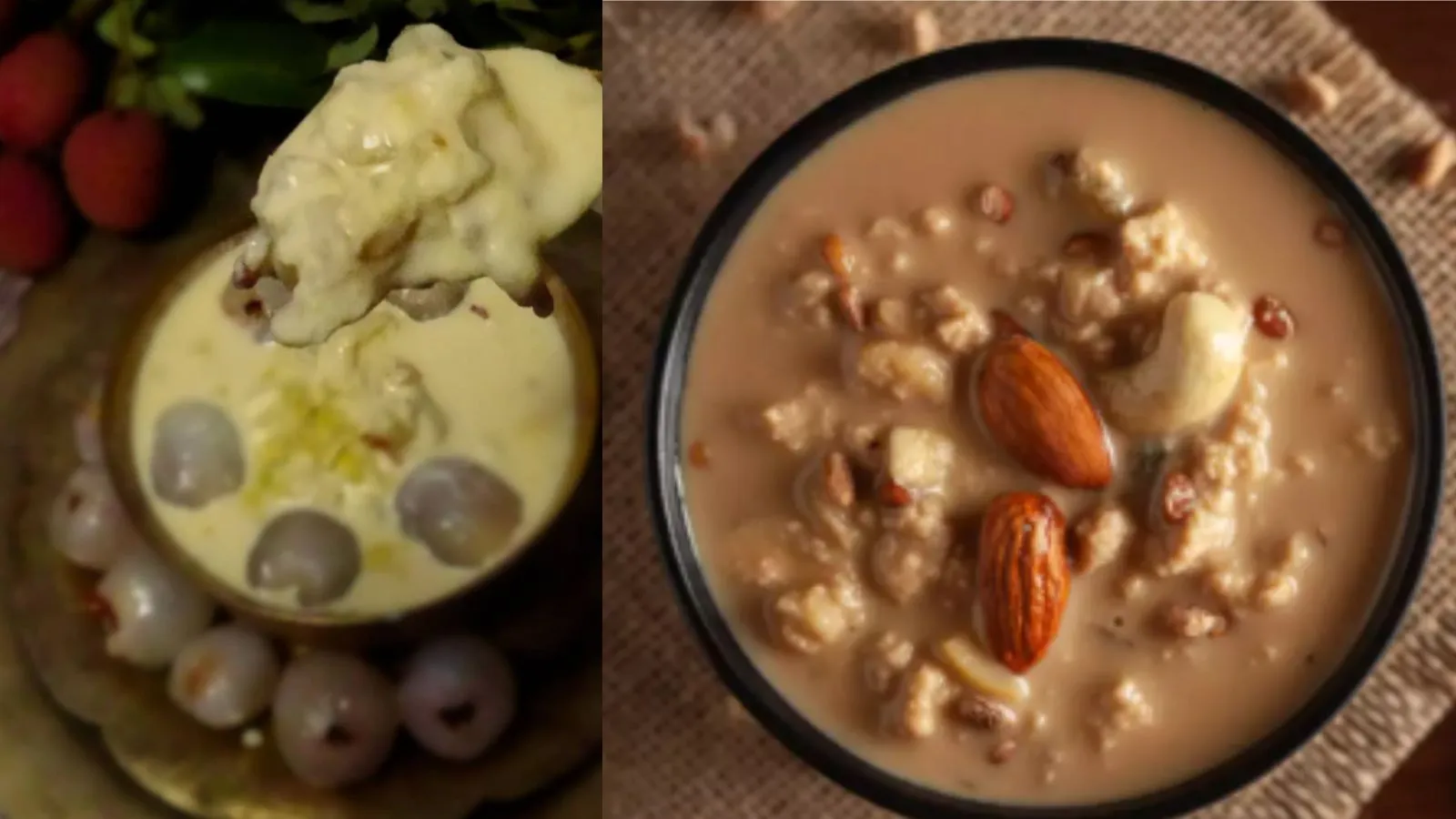
Unearthing litchi’r payesh reveals a lost Bengali dessert with a fascinating backstory. This unique sweet, mentioned in Rabindranath Tagore’s household recipe book, contrasts sharply with simpler rice puddings enjoyed by others. Renowned Bengali sweets include sandesh, roshogolla, and mishti doi, alongside other treats like sitabhog, lobongo-lotika, and chanar jalebi. Bengalis take immense pride in their sweets, which are celebrated across India.
Litchi’r payesh is a testament to this rich tradition, offering a glimpse into aristocratic origins. This dessert has a special place in Bengali cuisine, particularly when lychees are in season. Despite its historical significance, many are unfamiliar with this dish, even though it remains a seasonal favorite in Calcutta.
During a conversation with various chefs, it became clear that litchi’r payesh stands out among Bengali desserts. Its preparation is a mark of culinary sophistication, distinguishing it from more common rice puddings. The use of fresh lychees adds a distinctive flavor that elevates the dessert beyond the ordinary.
When I mentioned litchi’r payesh to friends, most had never heard of it. This reaction was surprising, given that it is a cherished treat in my Calcutta neighborhood. Here, litchi’r payesh is celebrated when the fruit is at its peak, making it a seasonal highlight.
The allure of litchi’r payesh lies in its blend of traditional and aristocratic elements. The dessert’s recipe, originating from Tagore’s kitchen, reflects a bygone era of culinary elegance. Its preparation involves infusing rice with the delicate taste of lychees, creating a dish that is both luxurious and uniquely Bengali.
Trying litchi’r payesh offers a chance to experience a piece of Bengali heritage. This dessert, with its rich flavors and historical roots, showcases the depth of Bengali culinary traditions. It is a reminder of the diverse and delightful sweets that define Bengali cuisine and highlights the ongoing appreciation for classic dishes.
During a conversation with various chefs, it became clear that litchi’r payesh stands out among Bengali desserts. Its preparation is a mark of culinary sophistication, distinguishing it from more common rice puddings. The use of fresh lychees adds a distinctive flavor that elevates the dessert beyond the ordinary.
When I mentioned litchi’r payesh to friends, most had never heard of it. This reaction was surprising, given that it is a cherished treat in my Calcutta neighborhood. Here, litchi’r payesh is celebrated when the fruit is at its peak, making it a seasonal highlight.
The preparation of litchi’r payesh involves simmering rice with milk and adding fresh lychees, creating a creamy and fragrant dessert. The lychees impart a subtle sweetness and a floral aroma that complement the richness of the milk. This delicate balance of flavors makes litchi’r payesh a truly unique experience.
Historical accounts suggest that litchi’r payesh was once a staple in Bengali aristocratic households. Its inclusion in Tagore’s recipe book highlights its prestigious status. The dessert was likely reserved for special occasions, reflecting both the affluence and the refined tastes of the time.
In modern times, rediscovering litchi’r payesh offers an opportunity to reconnect with Bengali culinary history. This dessert’s revival not only celebrates its historical significance but also introduces a new generation to its distinctive flavors. Embracing traditional recipes like litchi’r payesh helps preserve cultural heritage and keeps the rich tapestry of Bengali sweets alive.