


Maintaining good oral hygiene goes beyond just brushing and flossing; it also involves proper care for the tools we use, especially our toothbrush. While many are careful about cleaning their teeth, the idea of sanitizing the toothbrush itself raises questions. For some, it’s common sense to sanitize a tool used for personal care, but for others, it might seem unnecessary. With concerns about germs and bacteria, especially in households with bathrooms located near toothbrush storage, the issue of whether or not to sanitize a toothbrush has become a topic of growing interest.
Dr. Joyce Kahng, a dentist and content creator, offers some insight into this growing trend. She explains that there are multiple ways to sanitize a toothbrush, but not everyone follows proper hygiene habits when it comes to their toothbrush. Many people neglect to clean their toothbrushes properly and leave them exposed in the open, sometimes near the toilet. This raises the question: is it essential to sanitize your toothbrush regularly?
Dr. Kahng stresses that brushing your teeth is only part of maintaining good oral health. A toothbrush, left uncared for, can become a breeding ground for bacteria. The idea of sanitizing a toothbrush stems from the potential risks of contamination. Given the proximity of many bathroom sinks to toilets, germs can transfer from surfaces to the bristles, which then make contact with your mouth. While the risk of serious illness from these bacteria is relatively low, the idea of introducing harmful microbes into your mouth should be enough reason to give your toothbrush some attention.
A study in 2011 found that toothbrushes could carry bacteria, including E. coli and other germs, if stored improperly. The researchers noted that bacteria from the toilet could become airborne when flushed, potentially landing on nearby surfaces, including toothbrushes. While many people may not feel the need to sterilize their toothbrush after each use, ensuring its cleanliness is essential. This is especially true for those with weakened immune systems or people living in households with young children or elderly family members who may be more vulnerable to infections.
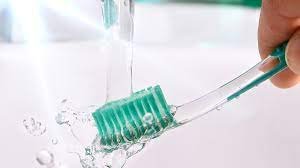
Dr. Kahng recommends a simple solution to sanitize your toothbrush: rinsing it thoroughly with hot water after each use. Hot water can help eliminate some bacteria, but it is not a guarantee that the brush will be entirely free of harmful microorganisms. Some people go a step further, using disinfectants or mouthwash to clean their toothbrushes. Others invest in UV sanitizers designed specifically for toothbrushes, which promise to kill germs with UV light. Though UV sanitizers are effective, Dr. Kahng points out that they are not necessary if you practice proper cleaning techniques.
While using disinfectants or UV sanitizers may seem like a good idea, Dr. Kahng emphasizes that sanitizing your toothbrush doesn’t have to be complicated. The best way to keep your toothbrush sanitary is by maintaining a few simple habits. First, store your toothbrush in an upright position and ensure that it is allowed to air dry after each use. If your bathroom is small or lacks good ventilation, consider keeping your toothbrush in a closed container to limit exposure to airborne bacteria. Additionally, replace your toothbrush every three to four months or sooner if the bristles show signs of wear. Regularly replacing your toothbrush is one of the easiest ways to keep your oral care routine effective.
Another important factor to consider is how you store your toothbrush. Storing it next to the toilet can expose it to bacteria in the air after flushing. Dr. Kahng recommends storing the toothbrush in a drawer or cabinet, or at least keeping it away from the toilet. This prevents unnecessary exposure to airborne germs, particularly in smaller or poorly ventilated bathrooms.
Dr. Kahng concludes that while the risk of harmful bacteria from a toothbrush is low, maintaining cleanliness is important. The act of sanitizing a toothbrush may not be as critical as regular brushing, but taking a few simple steps to clean and store it properly will ensure that it stays free of harmful germs. With a few hygiene habits, you can avoid the potential risks and keep your toothbrush—and your mouth—healthy.
In addition to the cleanliness of your toothbrush, it’s also important to consider the type of toothbrush you use. Some people prefer electric toothbrushes, which can be more effective at cleaning teeth. However, these toothbrushes require special attention when it comes to sanitization. Since the bristles cannot be removed and cleaned as easily as with manual brushes, it’s important to ensure the entire brush is dried thoroughly after use. Dr. Kahng suggests using an antibacterial wipe to clean the handle and the head of the toothbrush after each use. This ensures that germs are not transferred to your mouth from the handle and other parts of the toothbrush that come in contact with your hands.
Another aspect that people often overlook is how toothbrushes are shared in households. While it may seem convenient to borrow someone else’s toothbrush when in a pinch, doing so can expose you to the germs of others. Even when toothbrushes are shared within families, it’s crucial to ensure each person has their own and that no one uses someone else’s brush. This minimizes the chance of cross-contamination, particularly when family members are experiencing illnesses like colds or the flu.
The importance of regular toothbrush sanitation also extends to travel. When you are on the go, it can be easy to forget about toothbrush hygiene. Traveling often leads to changes in routine, and toothbrushes are no exception. Keeping your toothbrush in a travel case can help protect it from dirt and bacteria. However, it is important to make sure the toothbrush is dry before placing it in the case, as moisture trapped inside can contribute to bacterial growth. If traveling to areas with higher risks of waterborne illnesses, consider using an antimicrobial toothbrush sanitizer to provide additional protection.
While sanitizing your toothbrush is one of the ways to prevent bacteria buildup, Dr. Kahng also emphasizes the need to practice proper oral hygiene in other areas. Using fluoride toothpaste, brushing for at least two minutes, and flossing daily are essential habits to maintain oral health. Sanitizing your toothbrush will never replace the importance of brushing and flossing, but it’s an additional measure to take for a cleaner, healthier mouth. By giving attention to both your toothbrush and your overall oral care, you ensure that your mouth remains in the best shape possible.
Ultimately, maintaining good hygiene habits with your toothbrush is an investment in your long-term health. While it may seem like an extra step, sanitizing your toothbrush helps you avoid unnecessary risks and maintain a high standard of cleanliness in your oral care routine. Whether you choose to rinse your brush with hot water, use mouthwash, or invest in specialized sanitizers, the key is to stay consistent with your efforts to keep your toothbrush clean and free of harmful bacteria.