

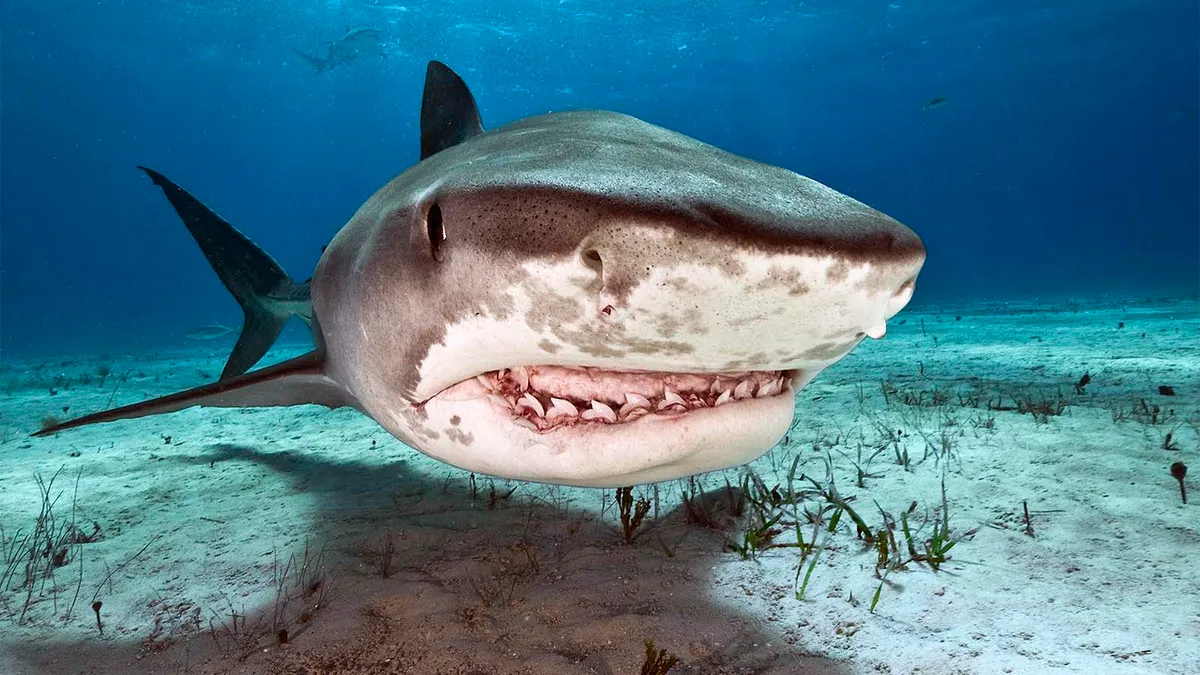
When you think of the deadliest animals in the world, what comes to your mind? Many people immediately picture sharks, lions, or other big carnivores, but the truth is far more surprising. While sharks and lions may appear threatening, they are far from being the top culprits when it comes to causing human fatalities. In fact, these animals account for very few deaths each year. Sharks, for example, cause only about six fatal encounters annually, and lions are responsible for roughly 22 deaths on average. So, if not these iconic predators, then what animals should we fear most?
The deadliest animals on Earth are often smaller and less conspicuous than we might expect. From tiny insects to venomous reptiles, the following animals are responsible for the most human deaths worldwide. Let’s take a look at the real danger lurking in nature.
Mosquitoes
Mosquitoes are by far the deadliest animals on the planet. These tiny insects are responsible for between 725,000 and 1,000,000 human deaths every year. While their bite might seem harmless, mosquitoes are carriers of numerous dangerous diseases, including malaria, dengue fever, Zika virus, and yellow fever. Malaria alone leads to hundreds of thousands of deaths annually, particularly in sub-Saharan Africa. Despite their small size, mosquitoes are incredibly effective vectors of disease, making them the number one killer in the animal kingdom.
Freshwater Snails
Although they may seem harmless, freshwater snails cause about 200,000 deaths annually. These snails host parasitic flatworms known as flukes, which can infect humans through contaminated water. The disease caused by these parasites is called schistosomiasis, or “snail fever,” which can lead to severe organ damage and even death if untreated. The impact of freshwater snails is often underestimated, yet they are responsible for more deaths than many other creatures on this list.
Saw-Scaled Viper
Snakes are known for being dangerous, but the saw-scaled viper stands out as one of the most lethal snakes in the world. This aggressive and venomous snake accounts for a significant portion of the 138,000 snakebite fatalities each year. Found in many parts of Asia, Africa, and the Middle East, the saw-scaled viper is particularly deadly due to its fast and unpredictable nature. It strikes with little provocation, and its venom can cause severe tissue damage, blood clotting issues, and ultimately death. Despite their size, snakes like the saw-scaled viper are major threats to human life.
Assassin Bugs
Often called “kissing bugs,” assassin bugs are another surprisingly deadly animal. These insects are responsible for the transmission of Chagas disease, a condition that claims approximately 10,000 lives every year. Assassin bugs bite their victims on the face, typically while they are sleeping, leading to infection through the bite. Chagas disease can cause severe heart and digestive problems, and if left untreated, it can lead to death. Found primarily in Central and South America, assassin bugs are a significant health risk in these regions.
Scorpions
Scorpions are another group of animals that often go unnoticed but are responsible for thousands of fatalities each year. With their venomous stingers, scorpions cause approximately 3,000 deaths annually. While not all species of scorpions are lethal, some, such as the fat-tailed scorpion, are extremely dangerous. Scorpion stings can lead to intense pain, organ failure, and death if not treated promptly. These arachnids are found in arid and tropical regions, making them a persistent threat in many parts of the world.
Crocodiles
Crocodiles are among the largest and most fearsome predators in the animal kingdom, and they are responsible for an estimated 1,000 deaths each year. These massive reptiles are found in regions across Africa, Asia, and Australia, where they pose a danger to humans who live near rivers, lakes, or coastlines. Crocodiles are incredibly fast and powerful, capable of attacking their prey with terrifying force. Their ambush-style hunting makes them especially dangerous to those who venture too close to water.
Hippos
Despite their seemingly docile appearance, hippos are among the most deadly animals in Africa, causing an estimated 500 deaths annually. Hippos are territorial and highly aggressive, especially when they feel threatened or when protecting their young. They are responsible for more human deaths in Africa than lions or elephants, and their immense size and powerful jaws make them a force to be reckoned with.
Elephants
Elephants, often seen as gentle giants, are responsible for around 500 deaths each year. While they are typically peaceful animals, their size and strength make them dangerous when provoked. Elephants may become aggressive if they feel threatened, especially during mating season or when their young are in danger. In regions where humans and elephants live in close proximity, such as parts of India and Africa, conflicts between the two species can lead to tragic consequences.
Dogs
Dogs are generally known for being loyal companions, but they also pose a significant risk to human safety, particularly when they are not properly trained or controlled. Rabies-infected dogs are responsible for more than 25,000 human deaths annually, with the majority of cases occurring in developing countries. Dog bites, particularly from rabid dogs, can lead to severe infection and, in the case of rabies, death if not treated in time.
Tsetse Flies
Tsetse flies are responsible for spreading African sleeping sickness, a deadly disease that kills thousands of people each year. These flies, found in sub-Saharan Africa, transmit the parasite Trypanosoma brucei, which can cause fever, fatigue, and neurological damage. Without proper treatment, African sleeping sickness can be fatal. Though tsetse flies are not often thought of as deadly, they contribute to significant loss of life each year in affected regions.
In addition to the direct physical harm these animals cause, the diseases they spread can have a long-lasting impact on public health systems. For instance, mosquito-borne diseases such as malaria and dengue fever place an immense burden on healthcare systems, especially in low-income countries. The fight against these diseases requires not only controlling mosquito populations but also ensuring access to effective treatment and prevention strategies, such as vaccines and insecticides. Public health campaigns focusing on education and prevention have proven effective in reducing the transmission of these diseases, but the global nature of the problem means continued effort is necessary.
Similarly, the impact of snakes like the saw-scaled viper extends beyond immediate fatalities. Many snakebites go untreated in rural or underserved areas, leading to long-term health complications such as amputations, organ failure, or permanent disability. While antivenoms exist, they are often expensive and not readily available in the regions where snakebites are most common. This creates a vicious cycle of suffering, where the economic strain prevents access to life-saving medical care, leading to more fatalities and long-term consequences.
In addition to health concerns, these deadly creatures also have a significant economic impact. The presence of dangerous animals such as crocodiles and hippos in certain regions affects local economies, especially those dependent on agriculture and tourism. For example, farmers living in areas with large crocodile populations may face loss of livestock or even human lives, threatening their livelihood. Similarly, tourist destinations that promise safaris or wildlife experiences may need to take extra precautions to ensure the safety of visitors, further increasing costs for local businesses.
While animals like the mosquito, freshwater snails, and assassin bugs may seem unassuming, their ability to cause widespread harm is a reminder of the delicate balance between humans and nature. As urbanization and climate change continue to reshape the world, the habitats of many of these dangerous animals are expanding, increasing the risk of encounters with humans. By raising awareness of the risks posed by these animals and the diseases they spread, society can take proactive steps to mitigate their impact.
Addressing this issue requires a multi-pronged approach that includes better healthcare infrastructure, public education, and environmental management. Ensuring that communities are equipped to deal with the dangers posed by these creatures is a crucial step in reducing the number of fatalities each year. Moreover, ongoing research into disease prevention, such as developing more effective vaccines for diseases like malaria and Chagas, will play a vital role in reducing the toll taken by these dangerous animals.
Ultimately, the most dangerous animals to humans are not necessarily the ones that immediately strike fear into us. Often, the true killers are those that operate in the background, silently spreading diseases or causing harm in ways we don’t fully understand. By focusing on prevention and increasing awareness, we can reduce the risk posed by these creatures and safeguard human health against their deadly effects.