


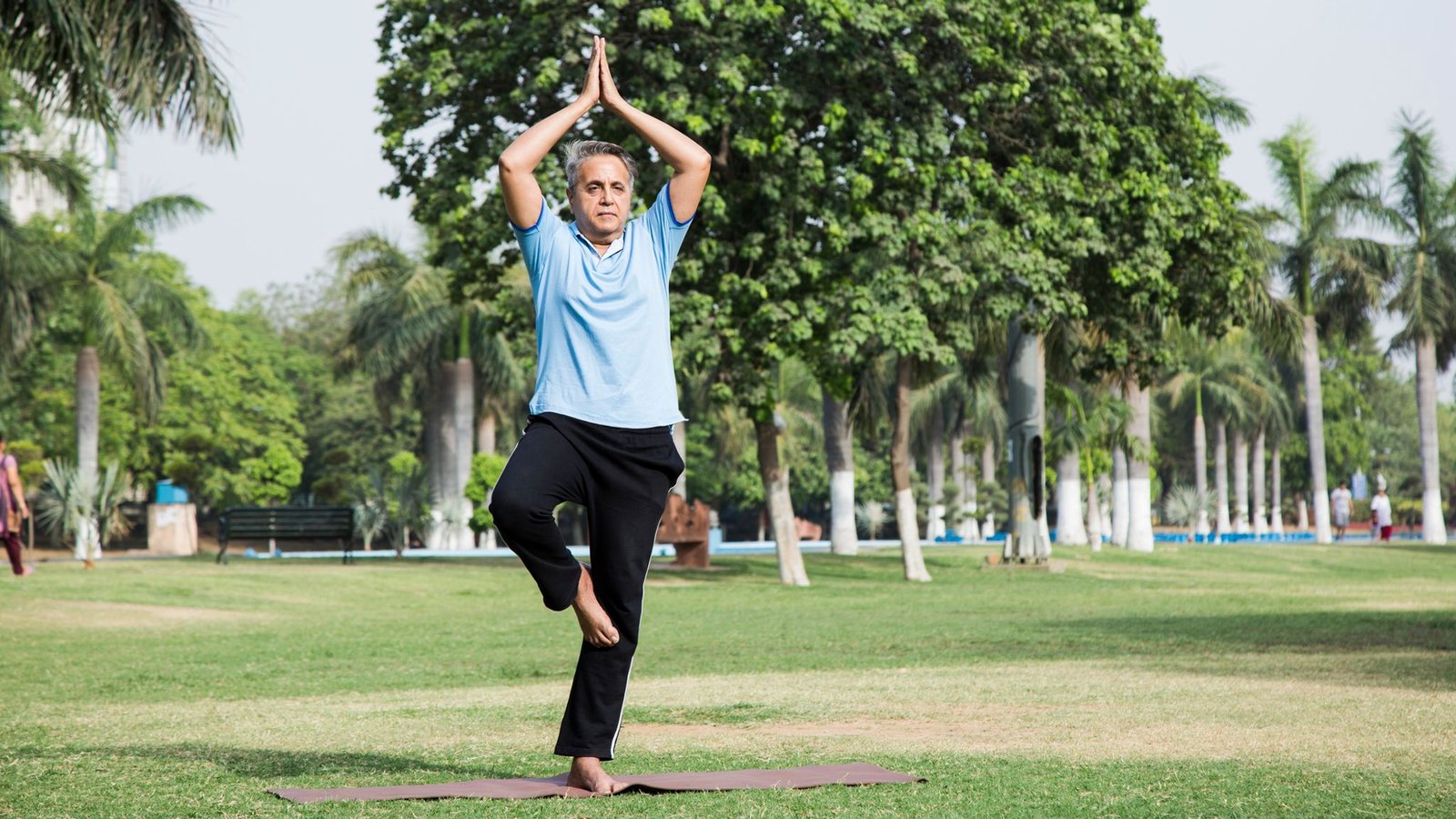
Physical therapist Dr. Tessa Shifflett has recently introduced a unique twist to the daily routine of brushing teeth. She recommends standing on one leg while brushing to improve balance and core strength. This advice, aimed at enhancing overall stability, might seem unconventional, but it has practical benefits. Shifflett, who regularly incorporates this exercise into her patients’ routines, emphasizes its significance for both injury recovery and general fitness.
Shifflett notes that single-leg balance is often overlooked despite its importance. She points out that maintaining balance is crucial for preventing falls, especially among older adults. “Single-leg balance is crucial yet often forgotten,” Shifflett says. “Whether you’re recovering from an injury or not, single-leg balance is important.” Her recommendation comes amid growing concerns about falls, which affect approximately 37.3 million people worldwide each year, according to recent studies.
The idea of standing on one leg while performing a mundane task like brushing teeth serves a dual purpose. It makes the exercise part of a daily routine, thus increasing consistency. Shifflett explains that this small change can significantly impact one’s balance over time. By incorporating balance training into regular activities, individuals can build and maintain strength and stability more effectively.
Shifflett’s approach to balance training aligns with broader fitness principles that emphasize functional exercises. These exercises are designed to improve strength and coordination in real-life scenarios. By standing on one leg, people engage muscles that are crucial for maintaining stability. This practice helps enhance proprioception, which is the body’s ability to sense its position in space. Improved proprioception can lead to better overall balance and reduce the risk of falls.
In addition to its physical benefits, standing on one leg while brushing your teeth can also add a fun element to a routine task. This simple exercise can be easily incorporated into the morning routine without requiring additional time or equipment. Shifflett encourages people to start with short intervals and gradually increase the duration as their balance improves. For those who find it challenging, using a wall or countertop for support is a good starting point.
Research supports the benefits of balance training for various age groups and fitness levels. Studies have shown that balance exercises can reduce the risk of falls and improve functional mobility. Shifflett’s advice to incorporate balance training into everyday activities like brushing teeth is a practical way to integrate exercise into a busy lifestyle. It offers a simple yet effective method to enhance balance without needing special equipment or a gym membership.
Shifflett’s recommendation is part of a broader trend toward integrating fitness into daily routines. As people become more aware of the importance of physical health, incorporating small, manageable exercises into everyday tasks can be an effective strategy. Standing on one leg while brushing teeth is an example of how simple changes can lead to significant health benefits.
For those who are skeptical or find the exercise difficult, Shifflett offers reassurance. She suggests starting slowly and gradually building up balance skills. The goal is not to master the exercise immediately but to make steady progress. Over time, individuals will likely notice improvements in their balance and overall stability.
Dr. Tessa Shifflett’s advice highlights the importance of balance training in maintaining physical health and preventing falls. By incorporating this simple exercise into daily routines, individuals can improve their balance and strength while performing everyday tasks. As people become more conscious of their health and well-being, integrating such practical exercises can be a valuable step toward a healthier lifestyle.
In addition to its physical benefits, this balance exercise can also contribute to improved mental focus and coordination. Dr. Shifflett explains that performing a task while balancing on one leg requires concentration and engages the brain in a way that enhances cognitive function. This multi-tasking effect helps sharpen mental acuity and can be particularly beneficial for individuals looking to boost their cognitive performance.
Moreover, standing on one leg while brushing your teeth can be an excellent way to set a positive tone for the day. By incorporating a health-focused activity into a routine task, individuals may start to view their daily rituals as opportunities for wellness rather than just chores. This shift in perspective can lead to a greater commitment to personal health and encourage the adoption of additional healthy habits throughout the day.
Dr. Shifflett also points out that this exercise can be tailored to different fitness levels. Beginners may start with brief intervals of balance, gradually increasing the time as they become more comfortable. For more advanced individuals, incorporating variations such as closing the eyes or adding light movements can further challenge and develop balance skills. This adaptability makes the exercise accessible to a wide range of people, regardless of their starting fitness level.
Additionally, the simplicity of this exercise means it can be done almost anywhere. Whether at home, in a hotel room while traveling, or even in a small office space, standing on one leg while performing another activity offers flexibility and convenience. This ease of integration into various settings makes it a practical choice for those seeking to maintain or improve their balance without needing specialized equipment or extensive time commitments.
The growing trend of integrating fitness into everyday activities reflects a broader movement towards more holistic approaches to health. By making small but impactful changes to daily routines, individuals can achieve significant health benefits over time. Dr. Shifflett’s advice on balancing while brushing teeth is a prime example of how everyday tasks can be optimized to support overall well-being and fitness.