


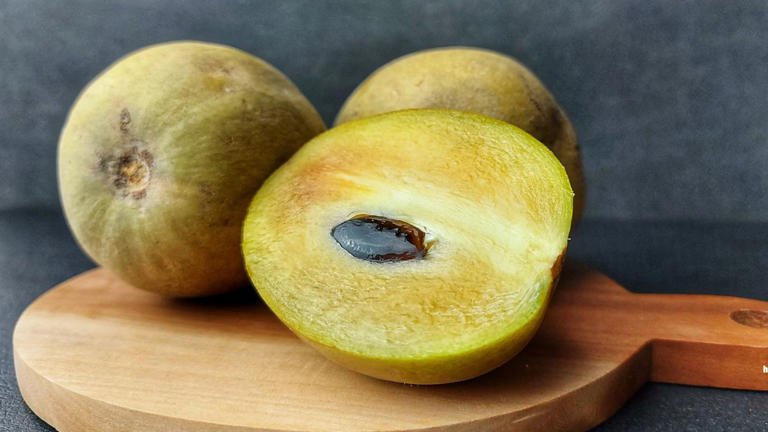
Chiku is a popular tropical fruit widely consumed in India and many other countries. People enjoy it for its sweet taste, soft texture, and rich nutritional value. However, many people often wonder what chiku is called in English.
The fruit commonly known as chiku in India is called sapodilla in English. In some regions, people also refer to it as sapota or naseberry. The fruit comes from the sapodilla tree, which grows mainly in tropical climates.
The focus keyphrase “chiku called in English” is often searched online because many people know the fruit by its local name but not its English name.
Read More: BJP Launches TTAADC Campaign with Mega Rally in Khumulwng
English Name of Chiku
The English name for chiku is sapodilla. Botanically, it is known as Manilkara zapota. The fruit belongs to the Sapotaceae family.
Sapodilla originated in Central America and southern Mexico. Later, traders and explorers introduced it to many tropical regions across the world. Today, countries like India, Thailand, Mexico, and the Philippines cultivate sapodilla widely.
In India, people commonly call the fruit chiku or sapota. The name “sapodilla” is mostly used in English-speaking countries and international markets.
The fruit has brown, rough skin and soft, grainy flesh inside. Its flavour is often compared to a mixture of pear, brown sugar, and caramel.
Appearance and Taste of Chiku
Sapodilla, or chiku, is a small to medium-sized fruit. Its outer skin looks brown and slightly rough, similar to a potato. However, inside the fruit lies soft, juicy flesh that ranges from light brown to reddish brown.
The fruit contains a few black, shiny seeds. These seeds are hard and should not be eaten.
When ripe, chiku becomes very sweet and aromatic. Many people enjoy eating it fresh. Some people also use it in desserts, milkshakes, smoothies, and fruit salads.
Because of its natural sweetness, chiku often serves as a healthy alternative to sugary snacks.
Nutritional Value of Sapodilla
Sapodilla is not only delicious but also packed with nutrients. It provides several vitamins, minerals, and antioxidants that benefit the body.
One of the major nutrients found in chiku is dietary fiber. Fiber helps improve digestion and supports gut health.
The fruit also contains vitamin C, which helps strengthen the immune system and protects the body against infections.
In addition, sapodilla contains potassium, which plays an important role in maintaining healthy blood pressure and heart function.
The fruit also provides small amounts of iron, calcium, and magnesium. These minerals support overall body functions and help maintain strong bones.
Because of these nutrients, chiku is often considered a healthy fruit choice.
Health Benefits of Chiku
Eating sapodilla regularly can offer several health benefits. One major benefit involves improved digestion. The fiber present in the fruit supports healthy bowel movements and prevents constipation.
Another benefit relates to energy. Chiku contains natural sugars such as fructose and sucrose. These sugars provide quick energy, making the fruit a good snack option.
The antioxidants in sapodilla help fight harmful free radicals in the body. As a result, they support healthy skin and may slow signs of aging.
Chiku also contributes to heart health. The potassium content helps regulate blood pressure and supports cardiovascular function.
Furthermore, vitamin C in the fruit strengthens immunity. This nutrient helps the body fight infections and maintain overall wellness.
Where Chiku Is Commonly Grown
Sapodilla grows best in warm tropical climates. Therefore, many countries in Asia and Latin America cultivate the fruit.
India is one of the largest producers of chiku. States such as Maharashtra, Gujarat, Karnataka, Tamil Nadu, and West Bengal grow the fruit widely.
Farmers prefer sapodilla because the tree is hardy and produces fruit throughout much of the year. Once planted, the tree can continue producing fruit for many years.
Because of its popularity and nutritional value, chiku remains an important fruit crop in many tropical regions.
Different Names of Chiku Around the World
Although the English name of chiku is sapodilla, people call the fruit by different names in various countries.
In India, it is widely known as chiku or sapota.
In Spanish-speaking countries, it is often called zapote.
In the Philippines, people refer to it as chico.
In some Caribbean regions, the fruit is known as naseberry.
Despite these different names, all refer to the same sweet tropical fruit known scientifically as Manilkara zapota.
How People Eat Chiku
Most people prefer to eat chiku fresh. Once the fruit ripens, they simply peel the skin or cut it open and remove the seeds.
The soft pulp also works well in milkshakes and smoothies. Many juice bars use sapodilla to prepare refreshing drinks.
In some places, people add chiku to ice cream, custards, and fruit desserts. Its natural sweetness makes it a popular ingredient in sweet dishes.
Some traditional recipes also combine sapodilla with yogurt or cream to create rich and flavorful desserts.
Conclusion
To summarise, the fruit known as chiku in India is called sapodilla in English. It is a tropical fruit valued for its sweet taste, soft texture, and numerous health benefits.
Sapodilla grows widely in tropical countries and remains especially popular in India. People enjoy the fruit fresh or in various desserts and beverages.
Rich in fiber, vitamins, and antioxidants, chiku supports digestion, immunity, and overall health. Its natural sweetness also makes it a nutritious snack option.
Understanding that chiku called in English is sapodilla helps people recognise the fruit in international markets and discussions about tropical foods.
Read More: Manipur CM Holds 8 Key Departments