


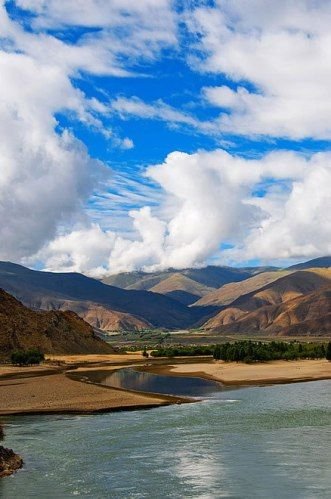
In a bold strategic move, China has begun construction of a mega-dam on the Brahmaputra River, officially known as the Yarlung Tsangpo in Tibet. Valued at ₹1.38 lakh crore (US $167 billion), this massive project has sparked fresh tensions across South Asia, especially in India’s Northeast.
Despite concerns, Indian authorities assert that India still maintains control over the majority of the Brahmaputra’s water flow, citing hydrological and geographical advantages.
What Is China’s Mega-Dam on Brahmaputra?
Unveiling the World’s Largest Hydropower Project
The proposed mega-dam on the Brahmaputra is located near the “Great Bend” of the Yarlung Tsangpo in Tibet, just before the river enters Arunachal Pradesh in India. Once completed, it is expected to generate 60 gigawatts of clean energy, potentially overtaking the Three Gorges Dam as the largest hydropower project in the world.
China claims the dam will:
- Meet long-term energy goals
- Stabilize regional water supply
- Position the country as a hydropower superpower
However, critics argue the mega-dam on the Brahmaputra also serves strategic interests, giving China greater control over transboundary water resources that affect India and Bangladesh downstream.
India Responds: “We Have the Upper Hand on River Flows”
Why India Isn’t Panicking Over the Brahmaputra Mega-Dam
While China’s dam-building spree has raised eyebrows globally, India has responded with cautious confidence. Officials from the Ministry of External Affairs and the Central Water Commission (CWC) emphasized that nearly 70% of the Brahmaputra’s water volume is contributed by rainfall and tributaries within Indian territory.
In a recent statement, Assam Chief Minister Himanta Biswa Sarma said:
“The Brahmaputra’s volume and behavior depend far more on Indian rainfall than on any upstream regulation. The Chinese dam may even reduce erratic flooding in Assam.”
India continues to monitor the situation but maintains that it holds the hydrological advantage due to the region’s unique geography and seasonal rainfall patterns.
Environmental and Strategic Concerns Over the Mega-Dam
Is the Mega-Dam on Brahmaputra a Threat to the Region?
Although India has played down the impact of the dam, scientists and environmentalists warn of serious risks. The construction of the mega-dam on the Brahmaputra in a high-seismic and ecologically fragile zone could lead to:
- Disruption in sediment and nutrient flows to India and Bangladesh
- Threats to biodiversity and riverine ecosystems
- Risk of flash floods in Northeast India due to dam breaches or mismanagement
- Seismic instability caused by large reservoir construction
Climate advocacy groups like International Rivers caution that these mega-projects often underestimate environmental risks and long-term impacts.
Water Diplomacy and Geopolitical Implications
Will the Mega-Dam on Brahmaputra Trigger Water Wars?
The Brahmaputra is a transboundary river that flows through China, India, and Bangladesh. With growing water scarcity, the construction of mega-dams on the Brahmaputra has the potential to become a geopolitical flashpoint.
India has repeatedly requested China to share real-time hydrological data, especially during the monsoon season. While some data-sharing agreements exist, they are seasonal and limited.
Experts are calling for:
- A permanent Brahmaputra River Commission
- Enhanced India-China water-sharing protocols
- Inclusion of Bangladesh as a key stakeholder
Water analysts argue that a treaty similar to the Indus Waters Treaty could offer a stable, long-term solution to river-sharing concerns in South Asia.
India’s Response Strategy to China’s Mega-Dam on Brahmaputra
Strengthening Domestic Infrastructure and Hydrology Networks
India is not taking the developments lightly. To counterbalance China’s hydro-advantage, it has accelerated several key infrastructure projects along the Brahmaputra and its tributaries, including:
- Lower Subansiri Hydro Project (2,000 MW)
- Dibang Multipurpose Project
- Smart flood warning systems in Assam and Arunachal Pradesh
The North Eastern Space Applications Centre (NE-SAC) is also upgrading its satellite-based river monitoring systems, aiming to provide real-time flood alerts and rainfall analytics to protect lives and livelihoods.
READ MORE: Indian Foods for Skin Health: Natural Ways to Glow