


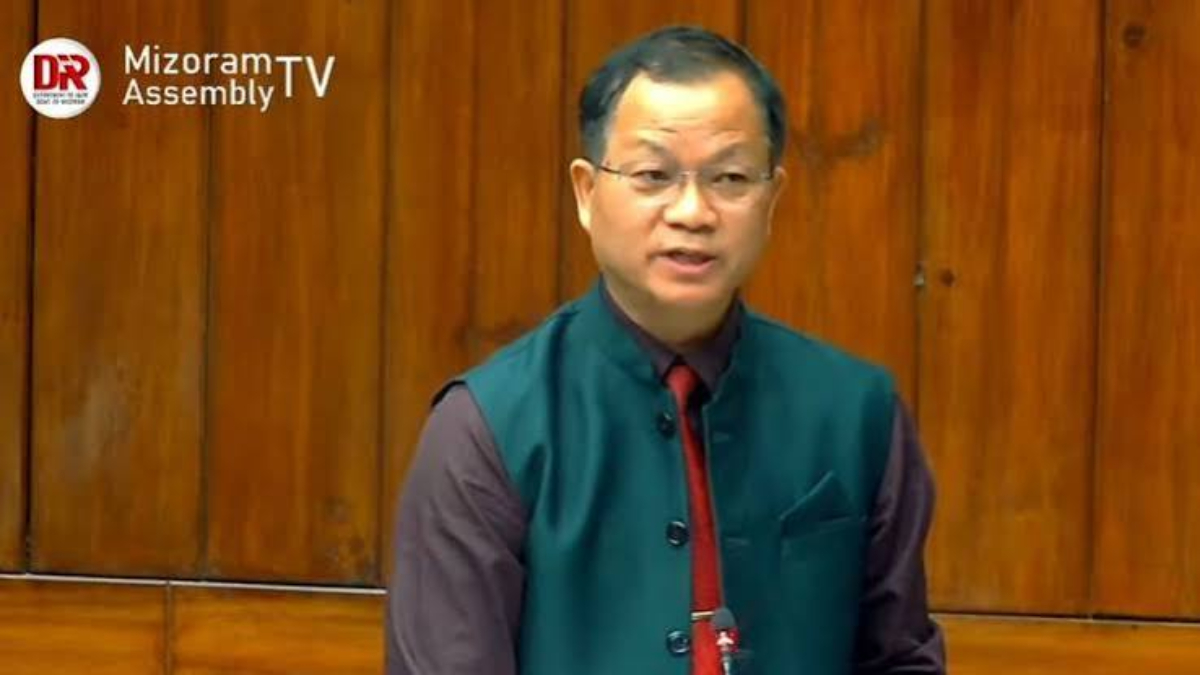
Mizoram disaster resilience has emerged as a key priority for the state government as it seeks stronger support from the United Nations to enhance climate preparedness and reduce disaster risks. With increasing incidents of landslides, flash floods, heavy rainfall, and other climate-related hazards affecting the northeastern state, Mizoram has urged UN agencies to strengthen technical collaboration, capacity building, and long-term resilience initiatives.
The appeal comes as the state government intensifies efforts to build sustainable infrastructure, improve early warning systems, and protect vulnerable communities from the growing impacts of climate change. Officials believe stronger international cooperation can help Mizoram develop a more comprehensive disaster management framework suited to its unique geographical challenges.
Why Mizoram disaster resilience Has Become a Priority
Mizoram’s mountainous terrain, fragile ecosystems, and high rainfall make it particularly vulnerable to natural disasters. Every monsoon season brings risks of landslides, road collapses, flash floods, and damage to public infrastructure, affecting livelihoods and disrupting essential services.
Recognizing these challenges, the state government has sought greater collaboration with United Nations agencies to improve disaster preparedness and climate adaptation strategies. The focus is on reducing disaster risks while ensuring sustainable development across urban and rural areas.
Government officials have emphasized that climate change has increased the frequency and intensity of extreme weather events, making proactive planning more important than ever.
UN Partnership for Climate Preparedness
During discussions with representatives of the United Nations, Mizoram highlighted the importance of expanding cooperation in disaster risk reduction and climate resilience.
The state requested support in several areas, including:
- Strengthening disaster preparedness systems
- Enhancing climate adaptation planning
- Improving early warning mechanisms
- Building institutional capacity
- Supporting community-based resilience programmes
- Promoting sustainable infrastructure development
Officials also stressed that international expertise can help improve disaster management policies while encouraging knowledge-sharing with other regions facing similar climate-related challenges.
Building Stronger Disaster Management Systems
One of the major objectives behind enhancing Mizoram disaster resilience is to strengthen the state’s disaster management capabilities before emergencies occur.
Rather than focusing solely on post-disaster relief, the government aims to invest in preparedness measures such as hazard mapping, risk assessments, emergency response planning, and community awareness campaigns.
Authorities believe that better coordination between government departments, local communities, and international organisations will improve the state’s ability to respond quickly during natural disasters.
Investments in resilient public infrastructure, safer housing, and improved communication systems are also considered essential components of the long-term strategy.
Climate Change Continues to Increase Risks
Climate experts have repeatedly warned that northeastern India remains one of the country’s most climate-sensitive regions.
Mizoram has experienced increasingly unpredictable weather patterns over recent years, including intense rainfall events that trigger landslides and flash floods. Soil erosion, damaged roads, and disruptions to transport networks have become recurring concerns during the monsoon season.
These challenges have reinforced the government’s position that climate preparedness must become an integral part of development planning rather than an isolated emergency response activity.
Community Participation Remains Essential
While international cooperation is expected to provide technical support, local communities will continue to play a central role in strengthening Mizoram disaster resilience.
Village councils, community organisations, disaster response volunteers, and local authorities are often the first responders during emergencies. Expanding training programmes and public awareness campaigns can significantly improve preparedness at the grassroots level.
The state also aims to encourage climate-resilient agricultural practices, better land-use planning, and conservation initiatives that reduce environmental degradation and lower disaster risks.
Sustainable Development and Resilience Go Together
The government’s discussions with UN representatives also highlighted the connection between sustainable development and disaster resilience.
Investments in resilient infrastructure, environmental conservation, renewable energy, and improved urban planning can reduce vulnerabilities while supporting long-term economic growth.
Officials noted that climate adaptation should be integrated into development projects to ensure that schools, hospitals, roads, and public facilities can better withstand natural disasters.
This approach aligns with global efforts under the Sustainable Development Goals (SDGs), which emphasize resilience, environmental sustainability, and inclusive development.
Future Roadmap for Mizoram disaster resilience
Looking ahead, Mizoram plans to deepen engagement with international development partners while strengthening coordination among central and state agencies.
Future initiatives are expected to include expanded disaster risk assessments, climate adaptation projects, capacity-building workshops, and technology-driven monitoring systems. Greater emphasis will also be placed on scientific research, data collection, and evidence-based policymaking to improve disaster preparedness across the state.
The government remains optimistic that enhanced collaboration with the United Nations will help accelerate these efforts and build stronger institutional resilience.
Mizoram’s appeal for greater UN support reflects the growing recognition that climate change requires coordinated global and local action. By focusing on preparedness, sustainable development, and community participation, the state aims to reduce disaster risks while protecting lives, livelihoods, and critical infrastructure. As climate challenges continue to evolve, stronger partnerships and proactive planning are expected to play a vital role in securing a safer and more resilient future for Mizoram.
Major BTC Budget 2026-27 Unveiled with Strong Push for Education, Infrastructure and Welfare