


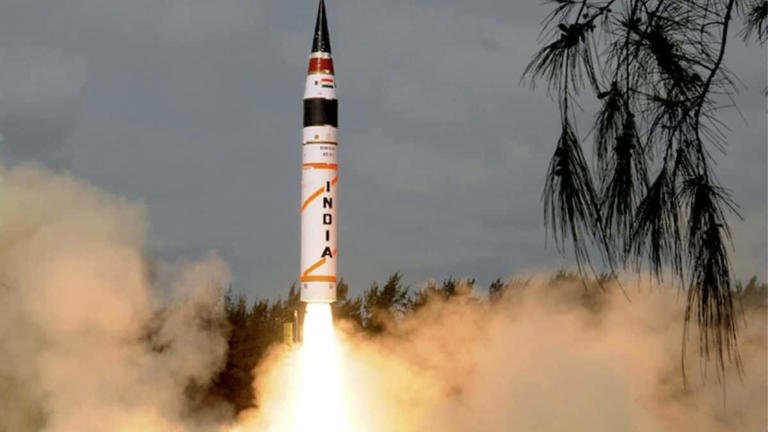
India is reportedly preparing for a significant milestone in its strategic defence programme, with indications pointing towards a likely test of the Agni-6 missile from the Integrated Test Range (ITR) at Chandipur in Odisha. As part of extensive safety measures, authorities have evacuated more than 11,000 residents from villages located within the designated impact and safety zones.
The large-scale evacuation exercise has drawn considerable attention and sparked speculation about the nature of the upcoming missile trial. While officials have maintained strict confidentiality regarding operational details, the precautionary measures undertaken by local authorities have fueled expectations that a major defence test could be imminent.
The evacuation reflects the standard safety protocols followed during strategic missile tests, ensuring the protection of civilians residing in areas that could potentially be affected by test-related activities.
Massive Evacuation Undertaken as Safety Measure
District administration officials, in coordination with security agencies and disaster management authorities, have carried out a large-scale evacuation of residents from villages situated near the designated safety zone. More than 11,000 people have reportedly been relocated to temporary shelters and safe locations ahead of the anticipated test.
Authorities have arranged accommodation, food, drinking water, healthcare services, and other essential facilities for evacuated residents. Officials emphasized that the exercise is purely precautionary and forms part of established safety procedures followed during missile testing operations.
Local administration teams have also conducted awareness campaigns to inform residents about the temporary relocation process and the importance of adhering to safety guidelines.
The evacuation operation demonstrates the emphasis placed on public safety during strategic defence activities.
Chandipur ITR Plays Crucial Role in Missile Development
The Integrated Test Range at Chandipur has long served as one of India’s premier defence testing facilities. Located along the Odisha coast, the range has hosted numerous missile trials involving various strategic and tactical systems developed by the country’s defence research establishments.
The facility provides the infrastructure necessary for conducting complex missile tests, including launch operations, tracking systems, telemetry support, and performance evaluation mechanisms.
Over the years, Chandipur has played a key role in the development and validation of several indigenous missile programmes. Its strategic location and advanced testing capabilities make it one of the most important assets in India’s defence research ecosystem.
The anticipated Agni-6 trial would further reinforce the significance of the facility in supporting the country’s long-term strategic objectives.
Agni-6 Expected to Strengthen Strategic Deterrence
Although official details regarding the Agni-6 programme remain limited, defence analysts have described the missile as a potentially significant addition to India’s strategic deterrence capabilities. The missile is expected to incorporate advanced technologies aimed at enhancing range, accuracy, survivability, and operational flexibility.
Strategic missile systems form a critical component of India’s defence posture, contributing to deterrence and national security. The development of next-generation missile platforms reflects ongoing efforts to modernize defence capabilities and adapt to evolving security challenges.
Experts believe that advancements in propulsion systems, guidance technologies, and payload capabilities could further strengthen India’s strategic preparedness.
The anticipated test is therefore being closely monitored by defence observers and strategic analysts both within India and internationally.
Safety Protocols During Missile Trials
Missile tests involve extensive planning and coordination among multiple agencies to ensure safety and operational success. Evacuation exercises, temporary restrictions on civilian movement, and maritime advisories are common components of the process.
Authorities typically establish exclusion zones in designated areas to minimize risks during launch and flight operations. Residents living within these zones are temporarily relocated until testing activities conclude and safety assessments are completed.
Maritime agencies often issue warnings to fishermen and commercial vessels operating in affected regions, while aviation authorities may implement temporary airspace restrictions where necessary.
The evacuation of more than 11,000 residents highlights the comprehensive nature of the safety arrangements associated with major strategic missile trials.
Defence Preparedness and Indigenous Capability
India has consistently emphasized the importance of indigenous defence technology development under its broader goal of achieving greater self-reliance in strategic sectors. Missile development programmes have been a central element of these efforts.
The country’s defence research institutions have achieved notable progress in designing and testing advanced missile systems capable of meeting a wide range of operational requirements. These achievements have strengthened India’s position as a significant player in global defence technology.
The expected Agni-6 trial is viewed by many analysts as part of the continued evolution of India’s strategic capabilities. Successful development and deployment of advanced missile systems can contribute to national security while reducing dependence on foreign technologies.
Government initiatives supporting defence research and manufacturing have further accelerated progress in this domain.
Local Communities Cooperate with Authorities
Residents affected by the evacuation have largely cooperated with authorities during the relocation process. Local officials have worked closely with community leaders to ensure smooth implementation of safety measures and minimize inconvenience.
Temporary shelters have been established to accommodate displaced families, and arrangements have been made to provide essential services throughout the evacuation period. Authorities have assured residents that they will be allowed to return to their homes once testing activities are completed and safety clearances are issued.
Community participation has been recognized as an important factor in the successful execution of precautionary measures associated with strategic defence operations.
Officials have expressed appreciation for the cooperation shown by local residents during the exercise.
Strategic Importance of Missile Development
The anticipated Agni-6 test comes at a time when nations around the world are investing heavily in advanced defence technologies and strategic deterrence systems. Missile capabilities continue to play a central role in national security planning and defence preparedness.
India’s missile development efforts are guided by its security requirements and long-standing commitment to maintaining credible deterrence. Technological advancements in this field support broader defence modernization initiatives while enhancing operational readiness.
Experts note that successful missile trials contribute not only to defence preparedness but also to technological innovation, research advancement, and industrial development within the country.
The continued progress of indigenous missile programmes reflects India’s growing expertise in complex defence technologies.
Looking Ahead
The likely Agni-6 missile test from the Integrated Test Range at Chandipur represents a significant moment in India’s strategic defence programme. While official confirmation regarding specific operational details remains limited, the extensive evacuation of more than 11,000 residents underscores the seriousness of the preparations and the importance attached to safety.
As authorities complete the necessary procedures and testing arrangements, attention will remain focused on the outcome of the anticipated trial. Defence analysts view the development as part of India’s ongoing efforts to strengthen indigenous capabilities and enhance strategic deterrence.
Whether through technological innovation, infrastructure development, or operational preparedness, the country’s missile programmes continue to play a vital role in shaping its defence landscape. The expected Agni-6 test is likely to be another important step in that continuing journey.