


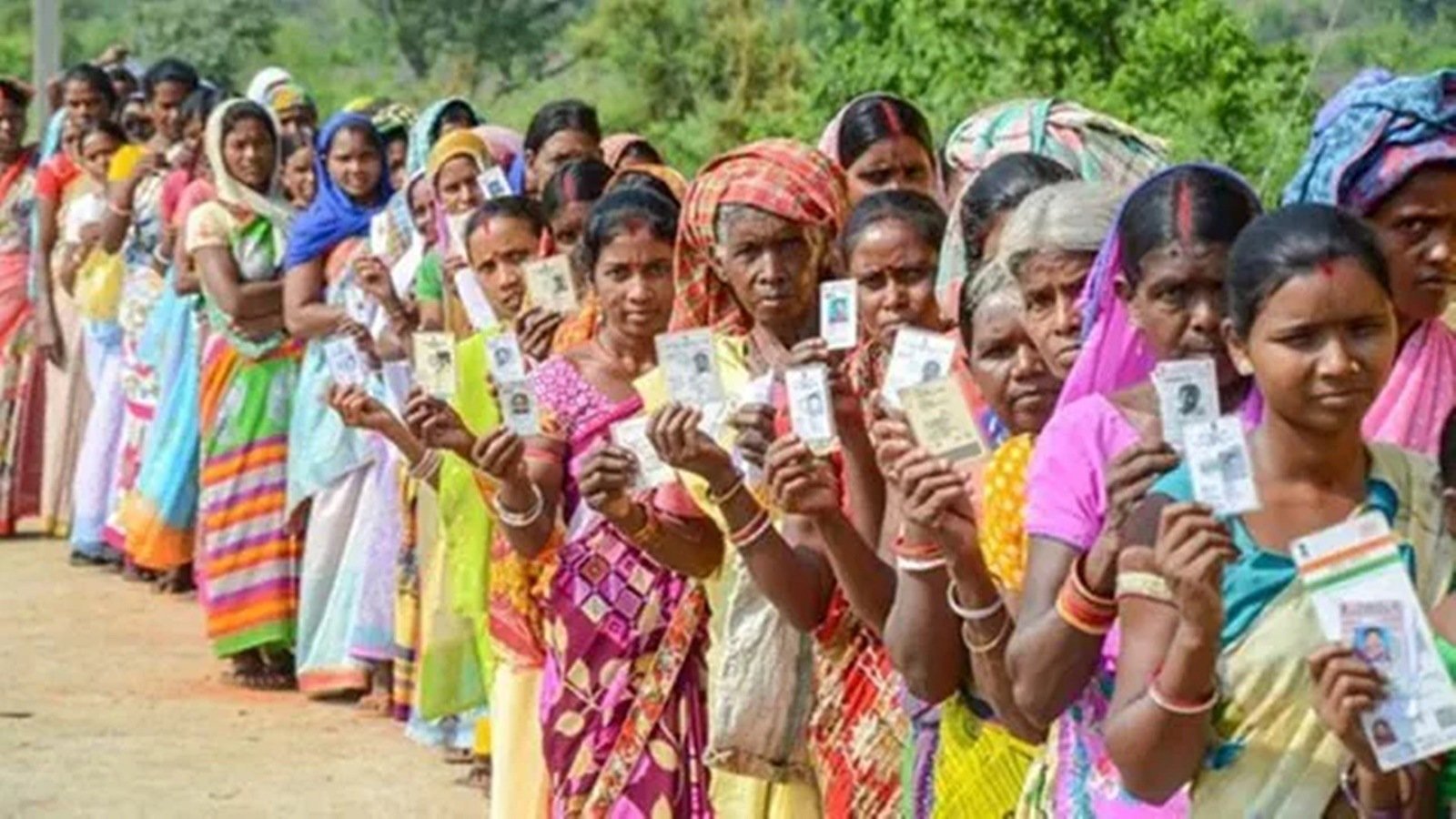
The Ambassa political shift Tripura has gained attention after 58 grassroots voters in the Ambassa constituency simultaneously resigned from both the BJP and the CPIM to join the Tipra Motha Party (TMP). The development reflects evolving political preferences at the local level and highlights the growing significance of grassroots mobilization in Tripura’s political landscape. Moreover, the move underscores the continued competition among major political parties to expand their influence ahead of future electoral contests.
Bangladeshi Youth Arrest Triggers Political Debate
Amit Shah Reviews Remote BSF Border Outpost
Major Political Development in Ambassa
A notable political development has emerged from the Ambassa constituency, where 58 voters officially left the BJP and CPIM to join the Tipra Motha Party. The joining took place during a grassroots-level political program attended by party workers and supporters.
Moreover, the event has attracted attention because it involved supporters from two different political parties moving to a single regional party platform. Such developments often generate discussion among political observers.
Consequently, the shift has become a significant talking point in local political circles.
Tipra Motha Strengthens Local Presence
The latest joining program has helped Tipra Motha expand its organizational reach in the Ambassa region. Political parties regularly focus on grassroots engagement to build stronger support networks and strengthen their local presence.
Furthermore, attracting new members can enhance a party’s visibility and improve community outreach efforts. Grassroots participation often serves as a foundation for long-term political growth.
As a result, the development is viewed as a positive organizational gain for the party.
Voters Leave BJP and CPIM
The political shift stands out because the new members reportedly came from both the BJP and the CPIM. Such cross-party movements demonstrate the dynamic nature of political participation in democratic systems.
Moreover, voters often make political decisions based on local issues, leadership preferences, development priorities, and community concerns. Political affiliations can evolve over time as circumstances change.
Therefore, shifts in support remain an important aspect of electoral politics.
Importance of Grassroots Mobilization
Grassroots mobilization plays a crucial role in strengthening democratic participation. Political parties frequently organize local programs to engage directly with residents and understand community needs.
Furthermore, active engagement at the village and constituency level helps parties build stronger relationships with voters. Effective grassroots outreach often contributes to organizational success.
Consequently, political parties continue investing significant effort in local mobilization initiatives.
Changing Political Dynamics in Tripura
Tripura’s political landscape continues to evolve as parties compete to expand their support base across different regions. Local joining programs often provide insights into emerging political trends and voter sentiment.
Moreover, shifts at the constituency level can influence broader political discussions and organizational strategies. Political observers frequently monitor such developments to understand changing dynamics.
As a result, the Ambassa development has attracted wider attention.
Community Participation in Politics
Community participation remains a cornerstone of democratic governance. Joining programs allow citizens to engage actively with political organizations and express their preferences.
Additionally, increased participation strengthens democratic processes by encouraging dialogue between parties and communities. Local involvement often shapes the direction of political activities.
Therefore, voter engagement continues to play a vital role in political development.
Political Competition Remains Strong
Political competition encourages parties to improve outreach efforts and address public concerns more effectively. Organizations continuously work to attract supporters through policy initiatives, community engagement, and organizational expansion.
Moreover, competition often motivates parties to strengthen their grassroots networks and improve communication with voters. Democratic systems benefit from active political participation.
Consequently, local shifts in support can influence broader strategic planning.
Impact on Constituency-Level Politics
The movement of voters from established parties to another political platform may affect local political calculations in the Ambassa constituency. Political organizations often review such developments carefully to assess their implications.
Furthermore, constituency-level changes can influence future campaign strategies and community engagement efforts. Local leadership frequently responds by increasing outreach activities.
As a result, the development may shape political discussions in the region.
Focus on Organizational Expansion
Political parties often prioritize membership growth as part of broader organizational development efforts. Expanding support bases helps strengthen local structures and improve voter outreach capabilities.
Moreover, successful joining programs can encourage additional participation from community members. Strong organizational networks often contribute to long-term political stability.
Therefore, membership expansion remains a key objective for political organizations.
Looking Ahead
Political observers are expected to continue monitoring developments in Ambassa and surrounding areas to assess their broader significance. Parties will likely intensify grassroots engagement as they seek to strengthen their presence.
Furthermore, future political activities may provide additional insights into voter preferences and constituency-level trends. Grassroots developments often influence regional political narratives.
Consequently, the Ambassa political shift may remain an important topic in local political discussions.
Conclusion
The Ambassa political shift Tripura has highlighted changing grassroots political dynamics after 58 voters resigned from the BJP and CPIM to join Tipra Motha. The development underscores the importance of local political engagement and reflects the ongoing competition among parties to strengthen their organizational presence.
As political parties continue to engage with communities and expand their support networks, such grassroots movements will remain important indicators of evolving voter sentiment. The Ambassa development demonstrates how constituency-level participation continues to shape Tripura’s political landscape.
FAQs
What happened in Ambassa constituency?
A total of 58 voters reportedly left the BJP and CPIM and joined the Tipra Motha Party.
Which party gained new members?
Tipra Motha Party welcomed the voters during a grassroots joining program.
Why is the development important?
It reflects changing political preferences and grassroots political activity in the constituency.
How many voters were involved?
The political shift involved 58 grassroots voters.
What does the event indicate?
It highlights evolving political dynamics and continued competition among political parties in Tripura.