


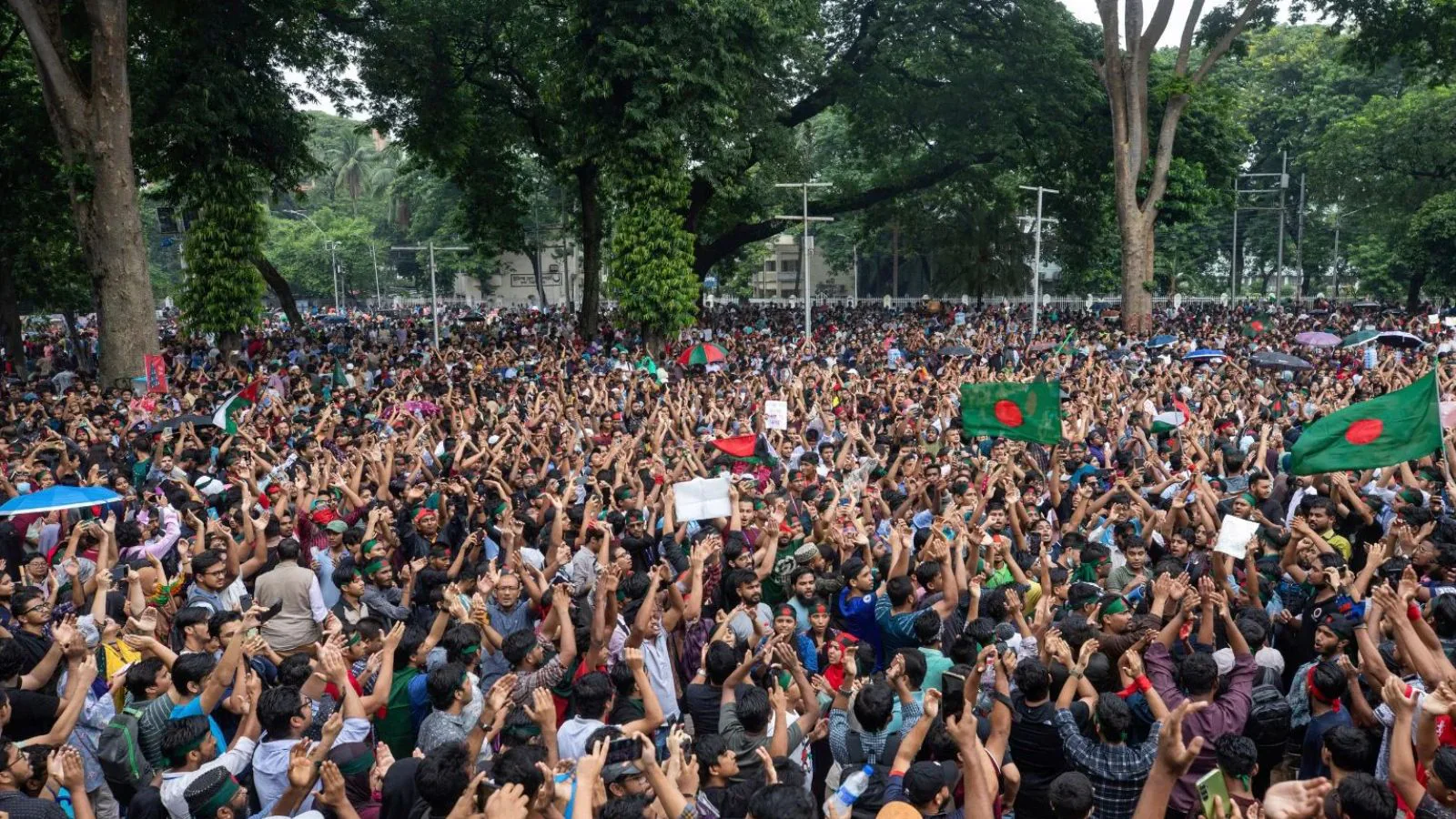
The Amra Bangali Black Day observance drew attention in Agartala as members of the political organization marked an official “Black Day” to commemorate victims of the 1980 violence in Tripura. During the program, participants raised slogans and renewed demands for justice, accountability, and legal closure regarding the historical incidents that continue to remain a sensitive chapter in the state’s history.
Kuki Groups Protest Electoral Roll Revision in Churachandpur
SP Dr Kiran Kumar Transferred to Central NCB
Amra Bangali Black Day Observed in Agartala
Members of the Amra Bangali political organization observed Amra Bangali Black Day in Agartala through a series of commemorative events and public gatherings. The observance aimed to remember those affected by the violence that occurred in Tripura during 1980.
Participants gathered at designated locations and conducted programs highlighting their concerns regarding unresolved issues connected to the historical events. The gathering attracted party members, supporters, and individuals interested in preserving the memory of the victims.
Organizers emphasized that the observance was intended to draw attention to long-standing demands for justice and legal resolution.
The event proceeded peacefully under the supervision of local authorities.
Historical Significance of the 1980 Violence
The violence that occurred in Tripura in 1980 remains one of the most discussed and sensitive chapters in the state’s history. The events had a significant impact on communities and continue to influence public discourse decades later.
Various organizations and community groups periodically commemorate the victims and call for greater recognition of the suffering experienced during that period.
Historical incidents of this nature often remain important subjects of public memory because they shape social and political narratives across generations.
The latest observance reflects the continuing relevance of these issues in contemporary discussions.
Participants Demand Justice and Closure
A central theme of the Amra Bangali Black Day program was the demand for justice and legal closure related to the historical violence. Participants voiced concerns regarding unresolved matters and called for further attention to issues they believe remain pending.
Speakers at the event emphasized the importance of acknowledging the experiences of affected families and ensuring that historical grievances receive appropriate consideration.
The organization argued that addressing such concerns is important for promoting reconciliation and preserving public confidence in democratic institutions.
Many attendees carried banners and participated in slogan-raising activities during the gathering.
Public Gathering Highlights Long-Standing Concerns
The Black Day observance served as a platform for discussing concerns that have remained part of public debate for many years. Organizers used the event to reiterate their position on issues related to historical accountability and recognition.
Public commemorations often provide opportunities for communities to express their views regarding past events and their ongoing impact.
Participants stated that continued public engagement remains necessary to ensure that historical experiences are not forgotten.
The gathering also highlighted the role of civic organizations in keeping historical discussions alive.
Importance of Remembering Historical Events
Remembering significant historical events plays an important role in preserving collective memory and understanding the social developments that shape a region.
Many organizations observe commemorative days to honor victims, educate younger generations, and encourage reflection on lessons from the past.
Such observances often contribute to public awareness and provide opportunities for dialogue regarding historical issues.
Supporters of the event emphasized that remembrance is essential for promoting understanding and preventing the repetition of past tragedies.
The Black Day program reflected this broader objective of historical remembrance.
Political and Social Relevance Continues
The issues raised during the observance continue to hold political and social relevance in Tripura. Historical events often influence contemporary discussions about governance, community relations, and public policy.
Political organizations frequently use commemorative events to highlight concerns they believe deserve greater attention from authorities and society.
The Amra Bangali organization reiterated its commitment to pursuing its demands through democratic and peaceful means.
Observers noted that historical issues remain an important component of political discourse in various parts of the state.
Calls for Recognition of Victims
Participants stressed the importance of recognizing the experiences and sacrifices of those affected by the violence. Many speakers argued that public acknowledgment of victims contributes to healing and historical understanding.
Victim recognition often forms a central aspect of commemorative programs worldwide because it helps preserve memories and honor those who suffered during difficult periods.
Organizers stated that the Black Day observance was intended to ensure that the victims remain remembered within public consciousness.
The program included speeches and symbolic activities dedicated to this objective.
Peaceful Demonstration Conducted
The observance was carried out peacefully, with participants gathering to express their views through speeches, slogans, and commemorative activities.
Authorities monitored the event to ensure public order and facilitate the smooth conduct of the program. Such gatherings are a common feature of democratic societies, where organizations use public platforms to communicate their concerns.
The peaceful nature of the event allowed participants to focus on their message regarding justice and historical accountability.
Officials reported no major disruptions during the observance.
Historical Memory and Public Dialogue
The Amra Bangali Black Day event underscores the continuing role of historical memory in shaping public dialogue. Discussions regarding past events often influence how communities understand their history and engage with contemporary issues.
Public commemorations create opportunities for reflection, discussion, and civic participation. They also encourage broader conversations regarding justice, reconciliation, and historical interpretation.
The event demonstrated that issues connected to the 1980 violence continue to resonate with sections of the population.
Such discussions are likely to remain part of the state’s public discourse.
Amra Bangali Black Day Renews Focus on Historical Justice
The Amra Bangali Black Day observance in Agartala has once again brought attention to demands for justice and legal closure concerning the 1980 violence in Tripura. Through peaceful demonstrations and public engagement, participants sought to keep the issue alive within public consciousness.
As debates surrounding historical accountability and victim recognition continue, commemorative events such as this serve as reminders of the lasting impact that past events can have on communities and political discourse.
Conclusion
The Amra Bangali Black Day observance highlighted the enduring significance of the 1980 violence in Tripura and the continuing demands for justice, recognition, and legal closure. By organizing a peaceful program in Agartala, members of the organization sought to honor victims while drawing attention to issues they believe remain unresolved. The event reflected the broader importance of historical remembrance and demonstrated how past events continue to shape public discussions and political narratives. As conversations regarding accountability and reconciliation continue, such observances remain an important avenue for expressing concerns and preserving collective memory.
FAQs
1. What is Amra Bangali Black Day?
The Amra Bangali Black Day observance is a commemorative program organized to remember victims of the 1980 violence in Tripura and raise related demands.
2. Where was the Black Day observed?
The event was observed in Agartala by members and supporters of the Amra Bangali organization.
3. What were the main demands raised during the event?
Participants demanded justice, accountability, and legal closure regarding issues connected to the 1980 violence.
4. Why is the 1980 violence significant?
The events remain an important and sensitive chapter in Tripura’s history and continue to influence public discussions.
5. Was the observance conducted peacefully?
Yes, the program was conducted peacefully through gatherings, speeches, and slogan-raising activities.