


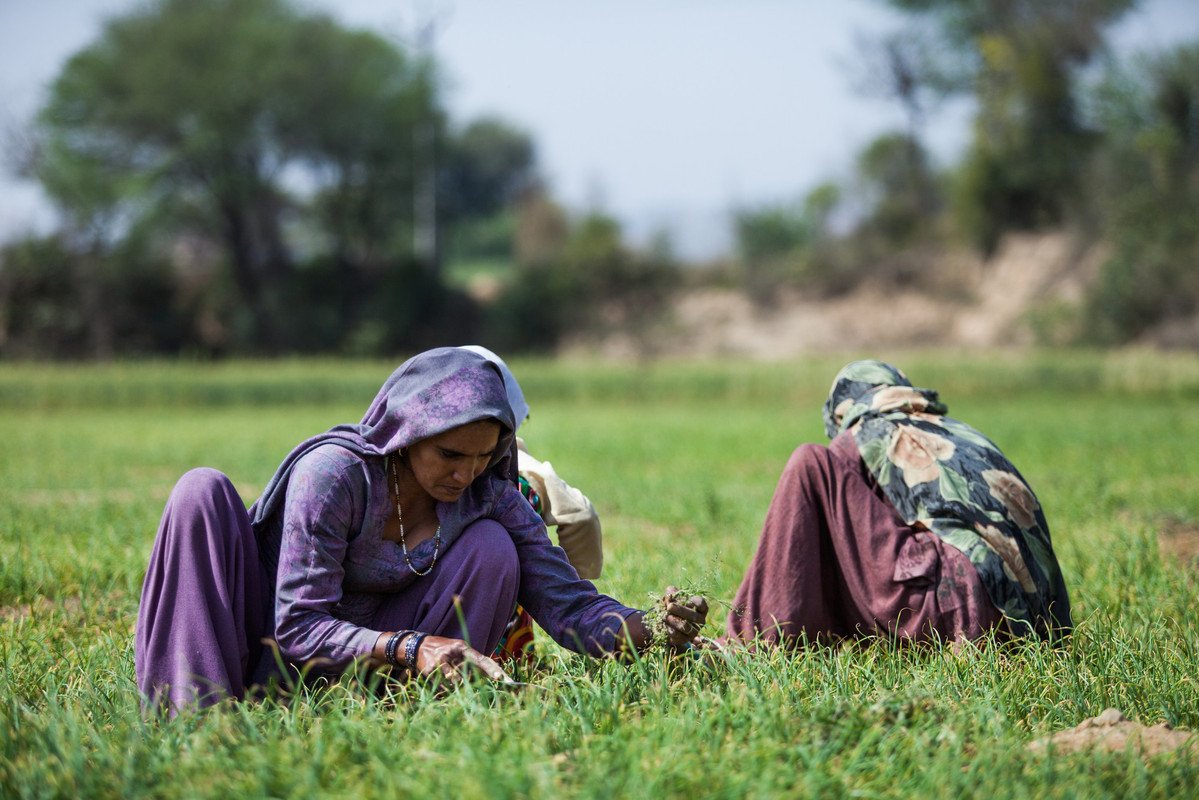
For strengthening rural women’s empowerment, the NGO APRINS organised a two-day programme focused on healthcare awareness, digital literacy, and cultural empowerment. The initiative, held on March 7 and 8 to mark International Women’s Day, brought together women from rural communities to participate in activities designed to enhance their skills, knowledge, and well-being.
The programme was conducted in collaboration with the Badarpur Collective Farmer Producer Company and aimed at addressing key challenges faced by women in rural areas, including limited access to health services, technology, and educational opportunities.
Central Silk Board Holds Sericulture Training in Meghalaya
Organisers said the event successfully combined health awareness, digital training, and cultural engagement, creating a holistic platform for empowering women and encouraging community participation.
A Holistic Initiative for Rural Women
The two-day event witnessed enthusiastic participation from women belonging to various rural communities. Sessions were carefully designed to focus on practical skills that can improve everyday life and economic opportunities.
Participants attended workshops covering basic health awareness, hygiene practices, and preventive care. Medical experts also shared guidance on maintaining physical and mental well-being.
At the same time, digital literacy sessions introduced participants to the use of smartphones, online platforms, and basic internet services.
Organisers said these training programmes are particularly important for rural women who often lack access to digital education and healthcare resources.
Digital Literacy for a Modern World
One of the highlights of the programme was the digital literacy training aimed at helping women understand the role of technology in daily life.
Trainers demonstrated how smartphones and online platforms can be used for accessing government schemes, financial services, and educational resources.
Participants also learned how digital tools can help small farmers and rural entrepreneurs improve their productivity and market access.
Information about government initiatives supporting women’s digital inclusion can be found through the Ministry of Women and Child Development, which promotes various programmes aimed at empowering women across India.
Healthcare Awareness and Community Well-Being
Health awareness sessions formed a key component of the programme, with experts discussing common health challenges faced by women in rural areas.
Medical professionals highlighted the importance of regular health check-ups, proper nutrition, and maternal health care. Participants were encouraged to seek medical advice when necessary and to adopt preventive health practices.
Focus on Preventive Healthcare
Experts emphasised that early awareness and preventive care can significantly reduce health risks. Rural women were guided on topics such as sanitation, balanced diets, and stress management.
These sessions also provided an opportunity for participants to ask questions and seek advice on health concerns affecting their families and communities.
For global insights into women’s health initiatives and community development programmes, readers can explore resources from the World Health Organization.
Celebrating Culture and Women’s Leadership
Beyond education and healthcare, the programme also celebrated cultural identity and women’s leadership within rural communities.
Participants took part in cultural activities, storytelling sessions, and group discussions highlighting the achievements and challenges of women in rural society.
Organisers said cultural engagement plays an important role in strengthening confidence and building a sense of unity among participants.
Building Confidence and Community Support
The initiative encouraged women to share experiences and support one another in pursuing education, entrepreneurship, and leadership roles.
Community leaders and organisers stressed that empowering women not only improves individual lives but also contributes to the overall development of rural communities.
Such programmes help create supportive networks where women can collaborate, exchange knowledge, and inspire one another.
A Step Toward Sustainable Empowerment
Organisers described the two-day programme as part of a broader effort to promote sustainable development and gender equality in rural regions.
By combining healthcare awareness, digital literacy, and cultural empowerment, the initiative aimed to equip women with the knowledge and confidence needed to overcome barriers.
Community representatives emphasised that continued collaboration between non-governmental organisations, local institutions, and government bodies is essential for expanding such programmes.
Call for Continued Community Engagement
As the programme concluded, organisers encouraged participants to apply the knowledge they gained and share it with other women in their communities.
They also urged local stakeholders to support initiatives that improve access to healthcare, technology, and education for rural women.
Events like the APRINS empowerment programme demonstrate how targeted community efforts can create lasting impact. When women gain access to knowledge, technology, and healthcare, they become powerful agents of change within their families and villages.
Strengthening rural women’s empowerment is not just a social responsibility, it is a key step toward building stronger, healthier, and more resilient communities.