


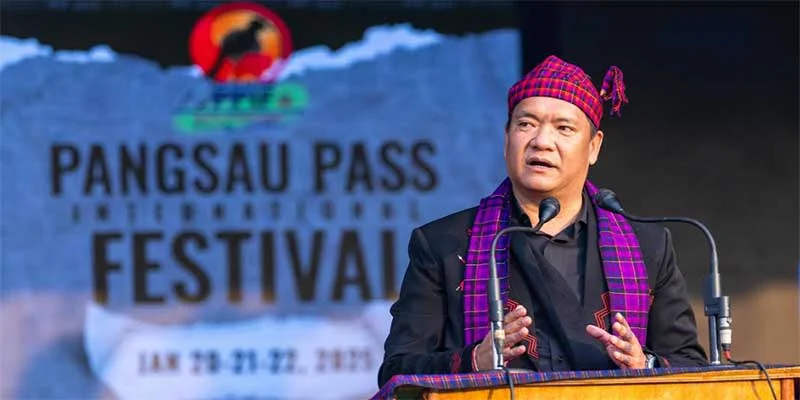
An Arunachal Pradesh festival has enabled Arunachal Pangsu Pass visa-free movement into Myanmar, reviving cross-border travel and cultural exchange along the historic route. The temporary arrangement allows visitors to travel across the India-Myanmar border through Pangsu Pass without a visa during the festival period, officials said.
The move has drawn attention for its cultural, economic, and diplomatic significance. Pangsu Pass, located in Changlang district, has long served as a traditional trade and interaction route between communities living on both sides of the border.
Read More: Tripura Launches Banana Waste Processing Facility
Officials said the festival aims to strengthen people-to-people ties while showcasing the region’s shared heritage. The visa-free access remains limited to the festival duration and follows agreed protocols.
Arunachal Pangsu Pass visa-free movement revives historic ties
The Arunachal Pangsu Pass visa-free movement reflects efforts to revive historical connections between border communities. For decades, local residents relied on the pass for trade, social interaction, and cultural exchange.
Officials said the festival provides a platform to reconnect these traditions in a regulated manner. The initiative allows cultural troupes, traders, and visitors to cross the border without standard visa formalities.
Authorities stressed that security arrangements remain in place. Border agencies are coordinating closely to ensure smooth and safe movement during the festival.
Festival celebrates shared culture and heritage
The festival features cultural performances, traditional food, handicrafts, and exhibitions from both sides of the border. Organisers said the event highlights common customs, languages, and lifestyles.
Local communities have welcomed the Arunachal Pangsu Pass visa-free movement. Many see it as recognition of long-standing cultural bonds that predate modern borders.
Officials said such cultural engagement promotes mutual understanding. It also supports peace and harmony in border areas.
Boost to local economy and tourism
The visa-free access has boosted local economic activity. Traders and artisans from nearby villages have gained access to wider markets during the festival.
Hotels, homestays, and transport services in Changlang district have reported higher demand. Small businesses have benefited from increased visitor footfall.
The Arunachal Pangsu Pass visa-free movement has also drawn tourists interested in border history and indigenous culture. Officials believe this exposure can support long-term tourism growth.
Strategic importance of Pangsu Pass
Pangsu Pass holds strategic and historical importance. It served as a key route during World War II and remains symbolically significant for India-Myanmar relations.
Officials said the festival-based visa-free movement reflects confidence-building measures between the two sides. It also aligns with broader efforts to promote border area development.
The Arunachal Pangsu Pass visa-free movement remains closely monitored. Authorities have emphasised that the relaxation does not affect standard immigration rules outside the festival period.
Coordination between authorities
Local administration, security agencies, and festival organisers have worked together to manage the movement. Entry registers, identity checks, and designated crossing timings remain in force.
Officials said such coordination ensures safety while allowing cultural interaction. The controlled framework helps prevent misuse of the arrangement.
The Arunachal Pangsu Pass visa-free movement serves as a model for regulated cross-border engagement, authorities added.
Community response remains positive
Residents from border villages have expressed enthusiasm about the initiative. Many families share ancestral links across the border and view the festival as a reunion opportunity.
Community leaders said the event fosters trust and cooperation. They added that regulated access helps preserve traditions while respecting national boundaries.
Officials said local participation remains central to the festival’s success. Community involvement ensures cultural authenticity and smooth coordination.
Diplomatic and regional implications
Observers believe the festival has diplomatic value beyond cultural exchange. It demonstrates soft diplomacy through people-centric initiatives.
The Arunachal Pangsu Pass visa-free movement aligns with India’s broader outreach toward neighbouring countries in the region. Cultural engagement often complements formal diplomatic channels.
Officials said such initiatives help build goodwill and stability in sensitive border regions.
Future prospects for cross-border festivals
Authorities said the success of the festival may encourage similar initiatives in the future. However, they stressed that any expansion would require careful assessment.
The Arunachal Pangsu Pass visa-free movement remains a special arrangement tied to the festival. Officials said security and administrative considerations will guide future decisions.
They added that feedback from communities and agencies will inform planning.
Balancing tradition and regulation
The festival reflects a balance between preserving tradition and maintaining regulation. By allowing limited visa-free access, authorities have enabled cultural revival without compromising security.
Officials said border regions require innovative approaches that respect local realities. Cultural festivals offer one such pathway.
As the festival concludes, the Arunachal Pangsu Pass visa-free movement stands out as a meaningful step toward reconnecting communities. The initiative highlights how cultural heritage can strengthen regional ties while supporting local economies and promoting peaceful cross-border interaction.
Read More: Exploring the Hidden Gems of Meghalaya: A Solo Traveler’s Guide