


Assam and Arunachal Pradesh are continuing joint efforts to resolve their long-standing inter-state boundary dispute through dialogue, regional committees and ground-level consultations. The two neighbouring states have been working to settle remaining areas of disagreement while maintaining peace along the border.
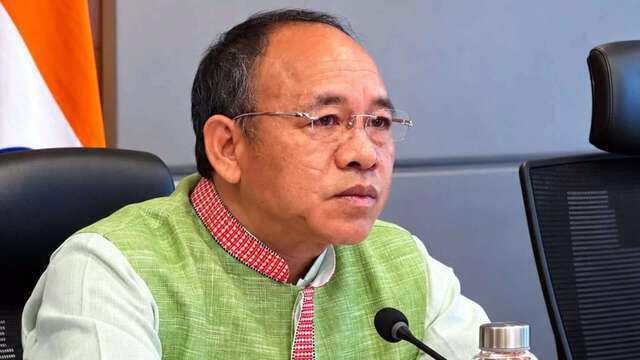
The latest push comes as Arunachal Pradesh Home Minister and Minister for Inter-State Border Affairs Mama Natung urged the 12 regional committees of the two states to speed up joint field visits and consultations. He reviewed the progress of the settlement process with senior officials and called for faster action on the remaining disputed areas.
Regional Committees Playing Key Role
The settlement process relies heavily on 12 regional committees constituted by Assam and Arunachal Pradesh. These committees include elected representatives and administrative officials from both states and are tasked with examining disputed areas and consulting local communities.
Assam Minister for Rural Development and Panchayatiraj Atul Bora had earlier said that the committees were progressing in the right direction and receiving positive responses from residents in border areas. He also said that Assam Chief Minister Himanta Biswa Sarma was maintaining communication with his Arunachal Pradesh counterpart Pema Khandu on the issue.
The committees are expected to continue ground-level consultations and joint verification in areas where disagreements remain.
2023 Agreement Marked a Major Step
A major development in the dispute came in April 2023, when Assam and Arunachal Pradesh signed a memorandum of understanding in New Delhi in the presence of Union Home Minister Amit Shah.
The agreement addressed claims involving 123 villages and stated that neither state would make new claims over the disputed villages covered by the settlement. A detailed survey was to subsequently determine the boundaries, with representatives of both states involved in the process.
According to the Assam government’s Border Protection and Development department, 71 of the 123 villages were amicably resolved through the 2023 agreement, while timelines were established for settling the remaining areas.
Joint Surveys Continue Along the Border
Ground-level demarcation has also progressed in several locations. In May 2026, officials from Assam and Arunachal Pradesh, along with Survey of India representatives, conducted a joint survey in Lower Siang district.
The exercise covered the Telam and Seren Agma areas and involved officials from the border affairs departments, land management teams and local representatives. The survey was carried out with the participation of village-level representatives and panchayat members.
Such joint exercises are intended to translate agreements reached at the political level into clearly identified boundaries on the ground.
Recent Tensions Highlight Need for Cooperation
Despite progress in negotiations, tensions have periodically emerged in border areas. In August 2026, Assam and Arunachal Pradesh witnessed heightened tensions following a firing incident and protests along parts of the boundary.
The chief ministers of both states subsequently appealed for peace, harmony and mutual respect. They also highlighted the progress made through dialogue and said that remaining issues should continue to be addressed through established mechanisms.
Arunachal Pradesh Home Minister Mama Natung has similarly maintained that the state is committed to resolving the dispute peacefully through discussions with Assam. He has urged residents on both sides to cooperate with the settlement process.
Focus on a Peaceful and Permanent Settlement
The Assam-Arunachal Pradesh boundary dispute has remained unresolved for decades, making sustained cooperation between the two states important for communities living along the border.
The current process combines political dialogue, regional committees, joint surveys and consultations with local residents. While several disputed areas have already been addressed, the remaining stretches require continued coordination between the two administrations.
As both states work to complete the settlement process, authorities have emphasised dialogue and cooperation as the means to address outstanding differences and prevent local disputes from escalating into larger tensions.