


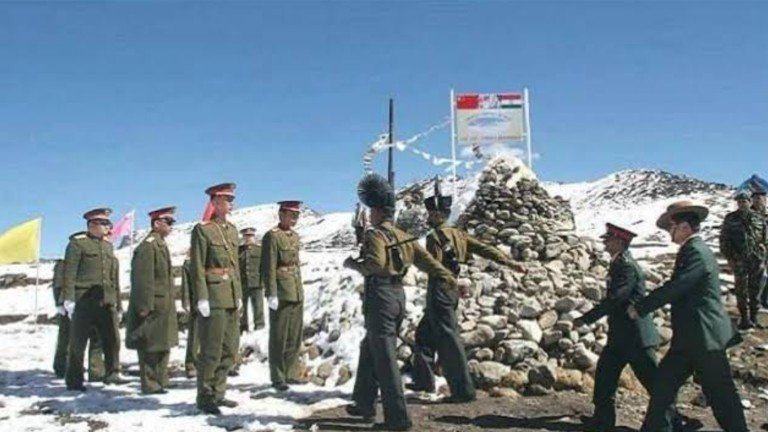
A tribal community in Arunachal Pradesh has raised concerns over what it describes as alleged Chinese encroachment in parts of Upper Subansiri district, claiming that the issue has persisted for nearly six years. Community representatives have urged the authorities to conduct a detailed assessment of the situation and strengthen measures to safeguard traditional grazing areas and border villages located near the frontier.
The concerns were expressed through representations submitted by community leaders, who stated that local residents have observed changes in certain border areas over the years. They have appealed to both the state and Central governments to examine the matter, verify conditions on the ground, and ensure that the interests of border communities are protected.
The issue has once again brought attention to the importance of infrastructure development, security, and sustained engagement with remote frontier villages in Arunachal Pradesh.
Community Seeks Government Intervention
Representatives of the tribal community have called upon the government to thoroughly investigate the claims and provide clarity regarding the reported developments. According to local leaders, residents living in remote border areas depend heavily on traditional grazing lands, forests, and natural resources that have supported their livelihoods for generations.
They expressed concern that any restriction on access to these areas could affect the economic and social well-being of local communities.
The community has requested that the relevant authorities undertake field assessments, interact with local residents, and examine historical records relating to traditional land use in the region.
Leaders stressed that timely government intervention is essential to address local concerns and reassure border residents.
Border Villages Hold Strategic Importance
Upper Subansiri district occupies a strategically significant position along India’s northern frontier. Border villages in the district play an important role not only in preserving traditional indigenous culture but also in maintaining a continuous civilian presence in remote frontier areas.
Community representatives observed that development of these villages remains vital for both local welfare and national interests. Improved infrastructure, road connectivity, healthcare, education, telecommunications, and public services are viewed as essential for encouraging residents to continue living in border settlements.
Officials have frequently highlighted that vibrant border villages contribute to regional development while strengthening India’s presence in strategically important locations.
Concerns Over Traditional Grazing Areas
Among the primary concerns raised by the tribal community is the reported impact on traditional grazing grounds used by local pastoral communities for decades. Residents stated that these areas have historically supported livestock rearing, which remains an important source of livelihood for many families.
Community leaders said that preserving access to these traditional lands is essential for maintaining local economic activities and protecting indigenous ways of life.
They urged authorities to carefully document traditional land use patterns and ensure that the interests of local communities are adequately considered while addressing border-related issues.
The appeal also emphasised the importance of consulting local residents who possess longstanding knowledge of the terrain and historical boundaries.
Infrastructure Development Along Border Areas
The issue has also renewed discussions regarding the need for accelerated infrastructure development in Arunachal Pradesh’s frontier districts. Community representatives observed that improved road connectivity, communication facilities, healthcare infrastructure, and administrative presence would strengthen both development and security in remote areas.
The government has undertaken several initiatives in recent years to improve infrastructure in border regions through better roads, bridges, digital connectivity, and public services.
Residents believe continued investment in these sectors will improve living conditions while encouraging economic opportunities that help reduce migration from remote villages.
Infrastructure development is also expected to enhance administrative accessibility and facilitate quicker response to local concerns.
Importance of Dialogue with Local Communities
Community leaders stressed that regular interaction between government agencies and local residents is essential for effectively addressing issues affecting border populations. They noted that indigenous communities possess valuable knowledge about the geography, environment, and historical usage of frontier areas.
According to the representatives, involving local communities in consultations can strengthen policy implementation while ensuring that development initiatives reflect ground realities.
Officials have increasingly recognised the importance of community participation in planning infrastructure, conservation, disaster management, and border-area development programmes.
The tribal community expressed willingness to cooperate with authorities by sharing relevant local information whenever required.
Border Security Remains a National Priority
Border management and national security continue to remain important priorities for both the Central and state governments. India has consistently invested in improving surveillance, transportation infrastructure, and administrative capabilities across border regions, including Arunachal Pradesh.
Security agencies maintain regular vigilance along the frontier, while infrastructure projects are being implemented to strengthen connectivity and improve access to remote locations.
Officials have repeatedly emphasised the importance of coordinated efforts involving civil administration, infrastructure agencies, local communities, and security forces in ensuring stability and development in frontier districts.
Community representatives acknowledged these efforts while urging continued attention to local concerns.
Focus on Development of Border Communities
The concerns raised by the tribal community also highlight the broader need to strengthen development initiatives in frontier regions. Government programmes aimed at improving housing, healthcare, education, drinking water, renewable energy, and livelihood opportunities have increasingly focused on enhancing the quality of life in border villages.
Officials believe that prosperous and well-connected frontier communities contribute significantly to regional development while strengthening social resilience.
The tribal representatives urged continued investment in these programmes, noting that improved living standards encourage younger generations to remain in their native villages rather than migrate elsewhere.
They emphasised that development and security should progress together for the long-term benefit of border communities.
Awaiting Official Assessment
While the tribal community has raised concerns regarding alleged encroachment, the matter is expected to be examined by the appropriate authorities through established administrative and security mechanisms. Community leaders have expressed hope that official assessments and continued dialogue will help address their concerns while ensuring transparency and confidence among local residents.
They reiterated their commitment to cooperating with government agencies and contributing constructively to the development and security of the region.
As Arunachal Pradesh continues to receive significant attention under national border development initiatives, the concerns raised by the Upper Subansiri tribal community underscore the importance of balancing infrastructure development, community participation, and national security. The coming assessments and official responses are expected to provide greater clarity while reinforcing efforts to safeguard both the interests of local communities and the strategic importance of India’s frontier regions.