


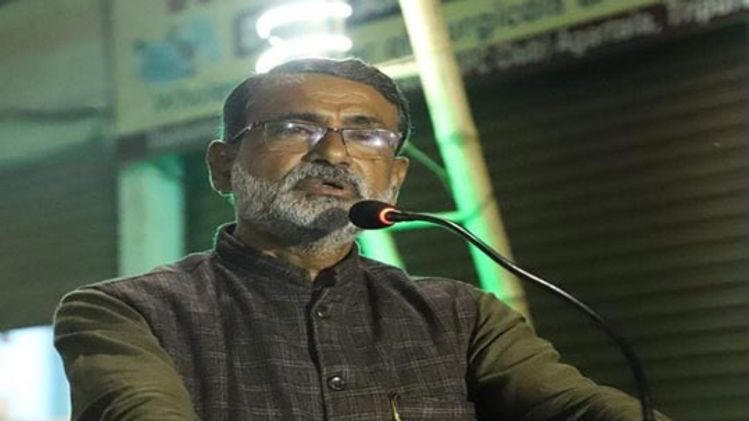
Tripura Pradesh Congress Committee president Asish Kumar Saha has accused the BJP-led state government of pushing Tripura towards a severe financial crisis. He claimed that rising borrowings and poor fiscal management have placed the state under a growing burden of debt.
Saha made these remarks while addressing party workers and media, highlighting what he described as alarming economic trends in the state. He argued that the government’s financial policies have failed to ensure sustainable development and instead increased liabilities.
Read More: Mizoram Government Unveils Aizawl Urban Revitalization Project
Asish Kumar Saha Criticizes State’s Financial Management
Asish Kumar Saha strongly criticized the BJP government’s handling of Tripura’s finances. He alleged that the administration has relied heavily on loans without generating sufficient revenue.
According to him, this approach has created a situation where the state faces mounting debt with limited resources to repay it. He warned that such a trend could have long-term consequences for economic stability.
Saha also questioned the transparency of financial decisions and called for greater accountability in public spending.
Allegations of Rising Debt Burden
The Congress leader claimed that Tripura’s debt has increased significantly over the past few years. He described the situation as a “mountain of debt” and expressed concern about its impact on future generations.
He argued that excessive borrowing could limit the government’s ability to invest in essential sectors such as healthcare, education, and infrastructure. This, he said, may affect overall development.
Saha urged the government to adopt a more balanced approach to financial management.
BJP Government’s Development Claims Under Scrutiny
Saha also targeted the BJP government’s claims of development and progress. He stated that while the government highlights infrastructure projects, it fails to address underlying financial challenges.
He argued that development should not come at the cost of fiscal stability. According to him, sustainable growth requires careful planning and responsible spending.
The Congress leader emphasized that economic policies must focus on long-term benefits rather than short-term gains.
Congress Demands Greater Transparency
The Tripura Congress has called for greater transparency in the state’s financial management. Saha demanded that the government provide clear details about borrowing, expenditure, and revenue generation.
He suggested that regular disclosures and public accountability can help build trust and ensure better governance. The party also urged the government to involve stakeholders in financial planning.
These demands reflect the opposition’s effort to highlight economic issues ahead of future elections.
Political Reactions and Debate
Saha’s statements have sparked political reactions in Tripura. BJP leaders have defended the government’s policies, stating that borrowing remains necessary for development projects.
They argue that investments in infrastructure and welfare schemes will contribute to long-term growth. According to them, the government follows established financial norms and maintains fiscal discipline.
The debate highlights differing perspectives on economic management and development priorities.
Impact on Tripura’s Economy
The issue of rising debt has broader implications for Tripura’s economy. High levels of borrowing can affect the state’s financial flexibility and limit future spending options.
Economists often stress the importance of maintaining a balance between expenditure and revenue. Sustainable fiscal policies can help ensure stable growth and development.
The ongoing debate in Tripura reflects these concerns and underscores the need for careful financial planning.
Key Concerns Raised by Opposition
The Congress has raised several concerns regarding the state’s economic policies. These include increasing debt, lack of transparency, and potential impact on public services.
Saha emphasized that the government must address these issues to avoid long-term challenges. He also called for policies that promote revenue generation and reduce dependence on loans.
The opposition believes that highlighting these concerns will encourage informed public discussion.
What Lies Ahead
The issue of Tripura’s debt is likely to remain a key political topic in the coming months. Both the ruling party and the opposition are expected to continue debating financial policies.
The government may present data and arguments to counter the allegations, while the opposition will seek to highlight gaps and concerns.
Public opinion will play an important role in shaping the narrative around this issue.
Conclusion
Tripura Congress chief Asish Kumar Saha’s allegation that the BJP government is driving the state towards a “mountain of debt” has intensified political debate. His remarks highlight concerns about fiscal management and long-term economic stability.
While the government defends its development agenda, the opposition continues to question its financial approach. The discussion reflects broader challenges in balancing growth with fiscal discipline.
As the debate continues, the focus will remain on how effectively the state manages its resources and ensures sustainable development for the future.
Read More: NDA Shifts in Assam: BJP Brings Back BPF as UPPL Exits Ahead of Polls