


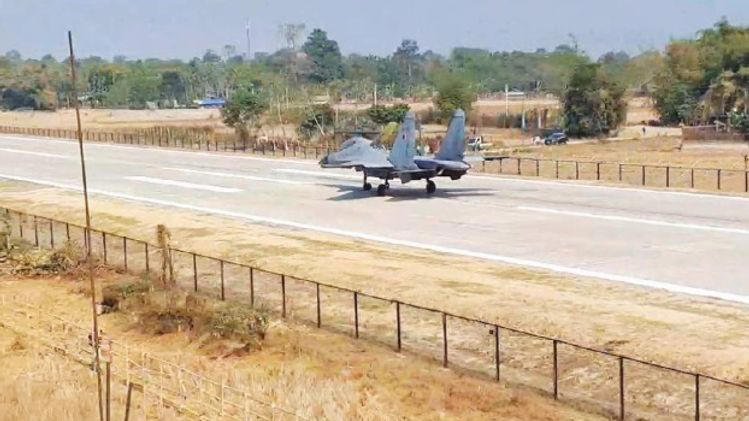
Assam has approved the development of its second emergency landing facility (ELF) on National Highway-27 in Nalbari district, marking another step in strengthening strategic infrastructure and improving emergency preparedness in the state.
The proposed facility will support emergency aircraft operations and expand Assam’s capability to integrate road infrastructure with aviation requirements when necessary. Officials stated that the project reflects a broader effort to strengthen connectivity, improve infrastructure resilience, and create multi-purpose transport assets.
The approval has drawn attention because emergency landing facilities are increasingly viewed as strategic infrastructure that can support both operational readiness and broader development goals.
Assam Expands Emergency Landing Infrastructure
With the approval of the second emergency landing facility, Assam continues efforts to develop infrastructure that serves multiple purposes.
Officials stated that the proposed facility on NH-27 in Nalbari will strengthen the state’s transport and emergency response framework.
The project forms part of wider initiatives aimed at creating infrastructure that remains adaptable and efficient.
Authorities explained that emergency landing facilities provide additional operational flexibility and strengthen preparedness during unforeseen situations.
The state government has increasingly focused on projects that combine strategic value with long-term infrastructure planning.
Officials also highlighted that integrated infrastructure supports stronger connectivity and operational readiness.
NH-27 Selected for Strategic Advantages
National Highway-27 has emerged as an important transport corridor across Assam and the broader Northeast region.
Officials stated that selecting NH-27 for the emergency landing facility supports both accessibility and infrastructure integration.
The location in Nalbari is expected to strengthen regional connectivity while supporting operational requirements.
Authorities noted that highways selected for such facilities generally require specific design standards and coordinated planning.
The government believes strategic placement can improve response capabilities and strengthen infrastructure outcomes.
Additionally, integration with existing road networks allows greater utility and operational efficiency.
Officials expect the project to contribute to broader infrastructure objectives.
Emergency Landing Facilities Serve Multiple Functions
Emergency landing facilities allow aircraft operations during specific situations and provide additional operational options.
Officials explained that these facilities support preparedness and strengthen infrastructure resilience.
Such facilities also demonstrate how transport networks can support multiple requirements.
Authorities emphasised that infrastructure planning increasingly focuses on flexibility and long-term usability.
Moreover, emergency facilities can contribute to stronger coordination and operational capability.
The government stated that multi-purpose infrastructure remains an important element of modern development planning.
Officials believe such investments create long-term strategic benefits.
Focus on Infrastructure Modernisation
The approval of the new facility reflects Assam’s continued emphasis on infrastructure modernisation.
Officials stated that infrastructure projects today must address both present and future requirements.
Therefore, the government has encouraged development models that strengthen capacity and improve efficiency.
Authorities also highlighted the need for projects that improve connectivity while supporting broader administrative goals.
The state believes strategic infrastructure contributes to economic growth and operational readiness.
Moreover, integrated planning helps maximise long-term value from public investment.
The project aligns with broader efforts to strengthen transport networks.
Nalbari Gains Importance in Infrastructure Planning
The selection of Nalbari for the second emergency landing facility has increased attention on the district’s role in infrastructure expansion.
Officials stated that location planning remains an important factor in ensuring effectiveness and accessibility.
Authorities expect the project to strengthen regional significance and support broader development efforts.
The government also emphasised balanced infrastructure growth across different parts of the state.
According to officials, investment in strategic projects can create additional opportunities and improve connectivity.
Infrastructure expansion remains a key part of long-term planning across Assam.
The project therefore carries both operational and developmental importance.
Coordination Expected Across Agencies
Officials stated that developing an emergency landing facility requires coordination among multiple departments and institutions.
Authorities highlighted the importance of planning, technical standards, and implementation processes.
The government expects agencies to work together to ensure timely execution and efficient development.
Moreover, coordination helps improve project delivery and maintain quality standards.
Officials noted that integrated infrastructure projects depend on strong communication and institutional cooperation.
The administration continues to emphasise structured implementation mechanisms.
Authorities believe coordinated planning supports better long-term outcomes.
Strategic Infrastructure Supports Broader Development
The government stated that infrastructure investments increasingly focus on long-term resilience and multi-functional use.
Emergency landing facilities fit into this broader strategy by combining transport and operational utility.
Officials explained that stronger infrastructure improves readiness while supporting wider connectivity goals.
The state also views such projects as important contributors to regional growth.
Authorities believe modern infrastructure creates stronger foundations for future development.
Additionally, strategic projects support institutional efficiency and long-term planning objectives.
The government therefore continues to prioritise infrastructure expansion.
Assam Continues Focus on Connectivity and Preparedness
The approval of the second emergency landing facility signals Assam’s continued emphasis on infrastructure development and preparedness.
Officials stated that projects of this nature help strengthen operational capabilities while improving transport networks.
The government also aims to create systems that remain efficient and adaptable over time.
Authorities believe strategic infrastructure investments support broader development goals and improve resilience.
Moreover, integrated facilities help create stronger frameworks for future growth.
The administration continues to emphasise projects that combine practical value with long-term benefits.
Strengthening Long-Term Infrastructure Vision
Assam’s decision to approve another emergency landing facility reflects a wider commitment to building modern and resilient infrastructure.
Officials stated that future development requires infrastructure capable of responding to changing needs.
The state plans to continue investing in projects that improve connectivity and strengthen preparedness.
Authorities also emphasised the importance of balancing infrastructure growth with strategic planning.
According to officials, integrated facilities create stronger outcomes and improve operational flexibility.
The NH-27 emergency landing facility in Nalbari therefore represents another step in Assam’s evolving infrastructure agenda.
As implementation moves forward, attention will remain on execution, coordination, and ensuring that the project supports both immediate and long-term objectives.
Through investments in strategic transport infrastructure, Assam aims to strengthen connectivity, improve readiness, and build a stronger foundation for future development across the state.