


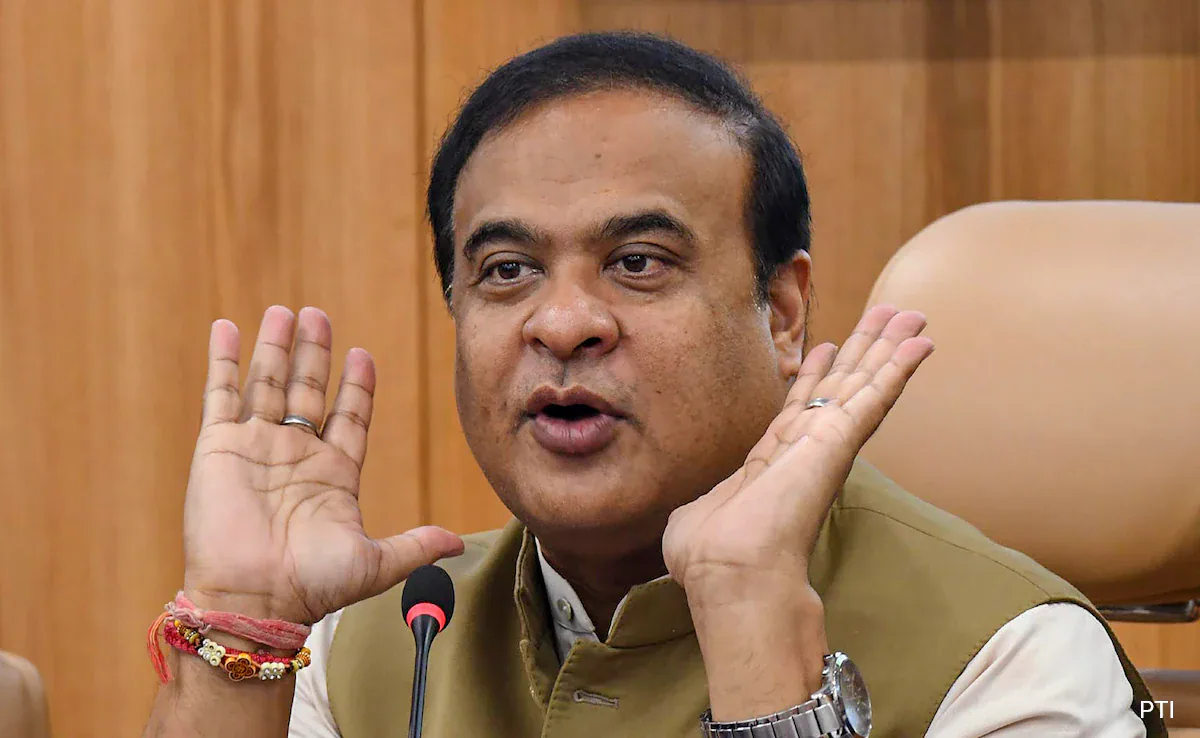
Assam Cabinet Approves Draft Uniform Civil Code (UCC) Bill during the first cabinet meeting of the newly formed government, marking a major legislative development in the state’s political landscape. According to officials, the proposed bill exempts Assam’s tribal population from its scope and is scheduled to be tabled in the state assembly on May 26.
Meanwhile, the decision has triggered extensive political and legal discussion because the proposed Uniform Civil Code involves significant questions related to personal laws, constitutional safeguards, and social customs. Consequently, political parties, legal experts, and community organizations have started closely examining the proposed legislation and its possible implications.
Himanta Biswa Sarma Begins Second Term
Pawan Khera Appears Before Guwahati Crime Branch
Cabinet Gives Approval To UCC Proposal
According to government officials, the newly constituted Assam Cabinet formally approved the draft Uniform Civil Code Bill during a key administrative meeting chaired by Chief Minister Himanta Biswa Sarma. Additionally, ministers reportedly reviewed the legal framework and policy provisions linked to the proposal before granting approval.
Authorities stated that the draft bill aims to establish a more uniform framework in selected civil matters while preserving constitutional protections available to tribal communities. Therefore, officials emphasized that the legislation has been structured with specific exemptions for indigenous groups residing in Assam’s hill and plain regions.
Furthermore, the government clarified that the bill would now move toward legislative discussion during the upcoming assembly session. Consequently, the issue is expected to become a major focus of political debate in the coming weeks.
Meanwhile, legal observers noted that the cabinet approval represents one of the most significant policy initiatives introduced by the new government shortly after assuming office.
Tribal Communities Exempted From UCC Scope
The Assam Cabinet Approves Draft legislation with clear exemptions for tribal populations living across different parts of the state. According to officials, the exclusion aims to protect customary practices, traditional social systems, and religious customs followed by indigenous communities.
Additionally, authorities stressed that constitutional safeguards and cultural protections available to tribal groups would remain unaffected under the proposed framework. Consequently, the government argued that the exemption provision reflects sensitivity toward Assam’s diverse ethnic and cultural landscape.
Political analysts observed that Assam contains multiple tribal communities with distinct customary laws and social traditions. Therefore, exempting tribal populations from the proposed Uniform Civil Code may help reduce concerns regarding interference with indigenous cultural identity.
Meanwhile, several community representatives reportedly welcomed the clarification but indicated that they would continue reviewing the bill carefully once its complete provisions are officially presented in the assembly.
Bill Scheduled For Assembly Introduction On May 26
According to legislative officials, the proposed Uniform Civil Code Bill is expected to be tabled in the Assam Legislative Assembly on May 26. Furthermore, lawmakers are likely to debate the legal, constitutional, and administrative aspects of the draft during the session.
Authorities stated that detailed discussions may take place regarding the scope of the legislation, implementation mechanisms, and exemptions included in the draft framework. Additionally, legal experts anticipate that the assembly proceedings could attract significant public and national attention.
Meanwhile, political parties have already started preparing responses and policy positions linked to the proposed bill. Consequently, the issue may emerge as one of the most closely watched legislative developments in Assam this year.
Observers also noted that introducing the UCC proposal early in the new government’s tenure signals the administration’s intention to prioritize major legal reform initiatives.
Political Debate Intensifies Across Assam
The Assam Cabinet Approves Draft Uniform Civil Code proposal has generated sharp political reactions from both supporters and opposition groups. According to ruling party leaders, the draft represents an effort to improve legal consistency in selected civil matters while respecting protected tribal customs.
Meanwhile, opposition parties and civil society organizations called for broader consultations before implementation of any major changes linked to personal laws. Additionally, critics argued that extensive public dialogue and legal scrutiny remain necessary before final adoption of the bill.
Political observers noted that discussions surrounding Uniform Civil Code proposals frequently trigger national-level debate due to their legal and social significance. Consequently, Assam’s latest move has already attracted wider political attention beyond the state.
Furthermore, constitutional experts emphasized that balancing legal uniformity with protection of cultural diversity remains one of the central issues in debates involving Uniform Civil Code legislation.
Legal And Social Implications Under Discussion
The Assam Cabinet Approves Draft bill has also renewed discussion regarding constitutional rights, religious freedom, and the role of customary laws in India’s legal system. According to legal scholars, proposals related to Uniform Civil Codes often involve complex debates concerning equality, cultural autonomy, and social reform.
Additionally, northeastern states possess unique constitutional and customary protections linked to indigenous populations. Therefore, the exemption provided for tribal communities has become a major aspect of public discussion surrounding the Assam proposal.
Meanwhile, civil society organizations urged authorities to ensure transparency and public participation throughout the legislative process. Several groups also emphasized the importance of safeguarding minority rights and cultural traditions during legal reform discussions.
At the same time, supporters of the bill argued that structured legal reforms could strengthen administrative clarity in specific civil matters while preserving protected customs through exemption mechanisms.
Government Highlights Cultural Safeguards
Officials repeatedly stated that the proposed legislation would not interfere with traditional practices followed by tribal communities in Assam. Furthermore, government representatives emphasized that protecting indigenous identity and customary systems remains an important administrative priority.
According to sources, ministers extensively reviewed cultural and constitutional considerations before approving the draft bill. Consequently, the exemption clause became a central feature of the proposed framework.
Meanwhile, political discussions regarding the future impact of the legislation are expected to continue as the assembly session approaches.
Conclusion
Assam Cabinet Approves Draft Uniform Civil Code Bill in a major legislative move that could shape future legal and political discussions in the state. Meanwhile, the decision to exempt tribal communities from the proposed framework has emerged as a crucial element of the government’s approach toward balancing legal reform with cultural protection.
Furthermore, the upcoming assembly session on May 26 is expected to witness intense debate regarding the legal, constitutional, and social implications of the proposed legislation. As political parties, legal experts, and community organizations continue analyzing the draft, the issue is likely to remain central to Assam’s political discourse.
FAQs
What did the Assam Cabinet approve?
The cabinet approved the draft Uniform Civil Code (UCC) Bill.
When will the bill be tabled in the Assembly?
Officials stated that the bill is scheduled to be introduced on May 26.
Are tribal communities included under the UCC?
No, the proposed bill exempts tribal populations in Assam.
Who leads the Assam government?
The state government is led by Chief Minister Himanta Biswa Sarma.
Why are tribal groups exempted from the bill?
The exemption aims to protect traditional customs, religious practices, and indigenous cultural systems.
Why is the Assam Cabinet Approves Draft decision significant?
The Assam Cabinet Approves Draft UCC proposal marks a major political and legal development involving civil law reforms and cultural safeguards in Assam.