


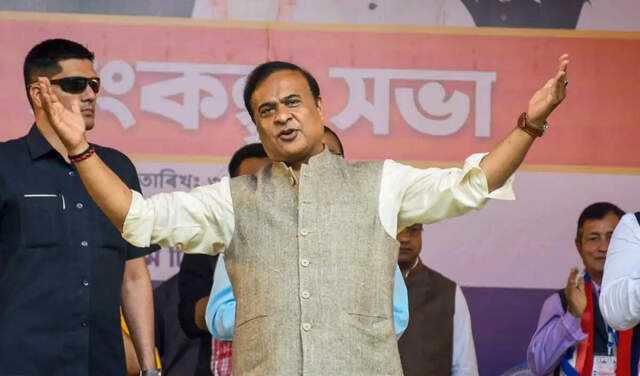
Assam Chief Minister Himanta Biswa Sarma defended the idea of implementing a Uniform Civil Code (UCC) during discussions in the Assembly, stating that the proposal aims to promote legal uniformity and create a common framework for personal laws. The remarks came during legislative deliberations where issues relating to governance, social policy, and legal reform received attention.
Addressing the Assembly, the Chief Minister argued that the concept of a Uniform Civil Code should be viewed from the perspective of equality before law and administrative consistency rather than through a political lens. He maintained that the government’s position is guided by constitutional principles and broader governance objectives.
The discussion generated debate among treasury and opposition benches, reflecting the continued national conversation surrounding the issue.
Chief Minister Presents Government’s Position on Uniform Civil Code
During his address in the Assembly, Himanta Biswa Sarma outlined the government’s position and defended the need for discussions around a Uniform Civil Code.
According to the Chief Minister, a common legal framework in matters governed under civil provisions can contribute to greater uniformity and simplify legal administration. He stated that the proposal is intended to encourage equal treatment under law and improve consistency across different legal processes.
Sarma also argued that discussions on legal reform should remain centred on constitutional values and public interest. He maintained that the issue deserves detailed debate and should be evaluated based on governance outcomes and legal considerations.
The Chief Minister’s remarks formed a key part of the Assembly proceedings and drew responses from members across political lines.
UCC Debate Gains Attention in Assam Assembly
The Uniform Civil Code emerged as an important subject of discussion during the Assembly session and generated differing viewpoints among legislators.
Supporters of the proposal argued that legal uniformity can strengthen governance and reduce complexity in civil matters. They stated that a common framework may improve administrative clarity and contribute to institutional efficiency.
At the same time, opposition voices raised concerns and questioned aspects related to implementation, consultation, and social impact.
The discussion reflected broader national conversations around legal reforms and the role of states in shaping policy debates.
Observers noted that issues involving civil law often attract extensive political and public attention because of their wider social implications.
Government Links UCC to Constitutional Principles
While defending the proposal, the Chief Minister linked the concept of a Uniform Civil Code to constitutional values and equal application of laws.
According to him, governance reforms should aim to strengthen fairness and maintain consistency within legal systems.
He argued that legal discussions should remain focused on institutional objectives and long-term governance outcomes.
Officials stated that the government views policy reform as part of broader efforts to improve administration and strengthen public systems.
The Chief Minister also emphasised that public debate remains an important part of democratic policymaking and legislative functioning.
The government maintained that discussions around the issue should continue within constitutional and institutional frameworks.
Assembly Discussion Reflects Wider Policy Debate
The debate in the Assembly highlighted how issues of legal reform continue to remain part of broader public and political discussions.
Political observers stated that conversations around a Uniform Civil Code frequently involve questions related to governance, law, administration, and policy implementation.
The Assembly discussion therefore extended beyond legislative proceedings and reflected wider interest in how legal frameworks evolve.
Supporters and critics continued to present different perspectives during the debate.
Observers noted that legislative discussions play an important role in shaping public understanding of policy proposals.
The issue is expected to remain part of political and governance conversations in the coming period.
Government Emphasises Need for Policy Discussion
During the proceedings, the Chief Minister stated that policy proposals should receive detailed consideration through democratic and legislative processes.
According to him, governance reforms require discussion, evaluation, and institutional engagement before implementation.
The government argued that legal reforms should remain guided by constitutional provisions and public interest considerations.
Officials also highlighted the importance of maintaining dialogue and encouraging informed debate on policy issues.
The administration maintained that discussions in legislative forums remain essential for improving governance and shaping future decisions.
The Assembly session therefore became an important platform for presenting the government’s position.
Legal Reform Continues to Remain Part of Governance Agenda
The Assam government’s defence of the Uniform Civil Code in the Assembly reflects continued engagement with broader questions of legal reform and governance.
Chief Minister Himanta Biswa Sarma maintained that discussions around the issue should remain focused on constitutional principles, legal uniformity, and administrative clarity.
The debate also demonstrated how policy issues continue to generate diverse viewpoints within democratic institutions.
As discussions move forward, attention is likely to remain on legislative engagement, public response, and how legal reform proposals evolve within the broader governance framework in Assam.