


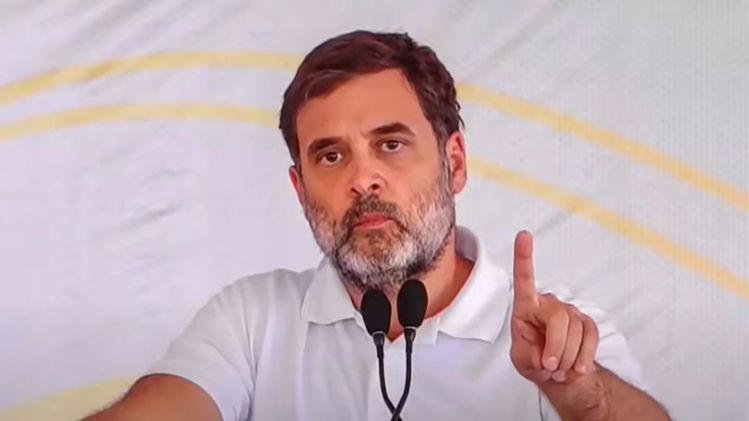
Assam Deputy Speaker Numal Momin has reignited political debate by referring to the 2017 Durga immersion controversy. He accused West Bengal Chief Minister Mamata Banerjee of “insulting the Hindu community” through decisions taken during that period.
Speaking at a public event, Numal Momin claimed that restrictions imposed on Durga idol immersion in 2017 had hurt religious sentiments. He argued that such actions reflected disregard for cultural practices and traditions.
Read More: Arunachal Congress Forms Panels to Probe Mining, Highway Issues
The remarks have brought back attention to a controversy that had sparked intense political and legal debates at the time. The issue continues to resonate in political discourse, particularly during discussions on religious freedom and governance.
Allegations against Mamata Banerjee over past decision
Numal Momin alleged that the decision taken by Mamata Banerjee during the 2017 Durga Puja period amounted to an “insult” to the Hindu community. He stated that the restrictions on immersion were unnecessary and created discontent among devotees.
He further claimed that governments must respect religious sentiments while maintaining law and order. According to him, balancing these aspects is crucial for effective governance.
The Deputy Speaker also emphasized that cultural festivals hold deep significance for communities. Therefore, any decision affecting such events must be handled with sensitivity.
His comments have added a new dimension to the ongoing political exchange between leaders from different states.
Background of the 2017 Durga immersion controversy
The 2017 controversy in West Bengal arose when the state government imposed restrictions on Durga idol immersion dates due to their overlap with Muharram. The decision aimed to maintain law and order and prevent potential clashes.
However, the move faced criticism from various quarters. Opponents argued that it restricted religious practices and set a problematic precedent. Supporters, on the other hand, defended it as a necessary step for maintaining peace.
The matter eventually reached the courts, where legal interpretations provided clarity on the issue. Despite this, the controversy remained a subject of political debate.
By revisiting the issue, Numal Momin has brought it back into the spotlight.
Political reactions and rising tensions
The remarks by Numal Momin have triggered reactions from political leaders. Supporters of Mamata Banerjee have defended her decisions, stating that they were taken in the interest of maintaining peace and harmony.
At the same time, critics have echoed the Deputy Speaker’s concerns. They argue that religious practices should not face restrictions unless absolutely necessary.
The exchange of statements highlights the growing intensity of political discourse. Leaders continue to raise past issues to support their arguments and challenge opponents.
Observers note that such debates often gain momentum during politically significant periods. They can influence public perception and shape narratives.
Debate over balancing law and order with religious practices
The controversy has reignited a broader debate on balancing law and order with religious practices. Numal Momin stressed that governments must protect both public safety and cultural traditions.
He argued that decisions should not disproportionately affect any community. Instead, authorities should explore solutions that accommodate different interests.
On the other hand, experts point out that maintaining law and order is a primary responsibility of the state. In situations where events overlap, authorities may need to take precautionary measures.
This balance remains a complex issue. It requires careful consideration of multiple factors, including public safety, legal guidelines, and social harmony.
Continued political focus on religious and cultural issues
The remarks by Numal Momin reflect a continued focus on religious and cultural issues in political discussions. Such topics often evoke strong responses and attract public attention.
Political parties frequently highlight these issues to connect with their support base. At the same time, they use them to critique opponents and influence narratives.
In this case, the reference to the 2017 controversy serves as a reminder of how past decisions can remain relevant in current debates.
The involvement of leaders from different states also underscores the interconnected nature of political discourse in India. Issues in one state can quickly become part of national conversations.
Mamata Banerjee yet to respond
As of now, Mamata Banerjee has not issued a direct response to the latest remarks. However, her party has previously defended the decisions taken in 2017.
Leaders from her party have argued that the restrictions were necessary to ensure peace during overlapping events. They have also highlighted the importance of maintaining communal harmony.
It remains to be seen whether the Chief Minister or her party will respond to the renewed criticism. Such responses could further intensify the debate.
A recurring issue in political discourse
In conclusion, the reference to the 2017 Durga immersion controversy by Numal Momin has once again brought the issue into focus. His allegations against Mamata Banerjee have added to ongoing political tensions.
The episode highlights how past decisions continue to influence present-day discussions. It also underscores the importance of balancing governance with sensitivity toward cultural and religious practices.
As political exchanges continue, the issue is likely to remain part of broader debates on governance, law and order, and community sentiments. The coming days may see further reactions and developments, keeping the topic in the spotlight.
Read More: TTAADC Election Results Counting Begins Under Tight Security