


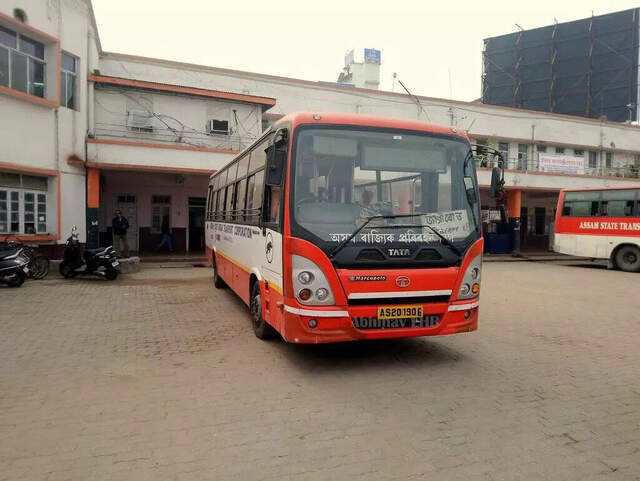
Assam is taking steps to modernise its public transport network with the introduction of an intelligent management system. The initiative aims to improve the efficiency, safety and reliability of public transport services across the state.
The system will use technology to support better monitoring and management of transport operations. It can help authorities track services, improve route management and respond more quickly to operational issues.
The move comes as Assam continues to expand its urban infrastructure and improve mobility for residents. Better public transport can also reduce pressure on roads and provide commuters with a more dependable travel option.
Assam Moves Towards Smarter Public Transport
The intelligent management system marks a shift towards technology-driven public transport in Assam. Instead of relying mainly on traditional methods, authorities can use digital tools to monitor services in real time.
Such systems can provide transport officials with better information about buses, routes and daily operations. This information can support faster decisions and improve overall service management.
The approach can also help identify delays and operational problems. Authorities can then take corrective action and keep services running more efficiently.
Real-Time Monitoring Can Improve Services
One of the key advantages of an intelligent transport system is real-time monitoring. Transport authorities can use digital information to understand how vehicles are operating across different routes.
Real-time data can help identify delays, route disruptions and other problems. It can also help officials manage vehicles more effectively during busy periods.
For commuters, better monitoring can lead to more predictable services. It may also reduce waiting times and improve the overall travel experience.
Focus On Passenger Safety
Technology can play an important role in improving passenger safety. An intelligent management system can support closer monitoring of public transport operations.
Digital monitoring can help authorities identify unusual situations and respond to problems more quickly. It can also strengthen oversight of vehicles and their operations.
Safety remains an important part of public transport planning. As more people depend on buses for daily travel, reliable monitoring can help create a safer commuting environment.
Better Management Of Bus Operations
Managing a large public transport network can be difficult without accurate and timely information. An intelligent system can bring different operational functions together on a single digital platform.
Authorities can use the system to monitor vehicle movement and service performance. They can also use the available data to improve scheduling and route planning.
This can help reduce operational inefficiencies. Better management may also allow transport agencies to use their existing fleet more effectively.
Technology Can Help Reduce Delays
Traffic congestion remains a major challenge in Assam’s growing urban areas. Public buses often face the same road conditions as other vehicles.
An intelligent management system cannot eliminate congestion, but it can help authorities understand how traffic affects bus operations. Officials can use this information to make better decisions about routes and schedules.
Data from the system can also help identify recurring problem areas. This could support future planning and improvements to transport infrastructure.
Improved Information For Commuters
Modern public transport systems increasingly depend on clear and timely information for passengers. Digital technology can make it easier to provide updates about services.
Commuters can benefit from information about bus movements, routes and possible disruptions. Better access to information can make public transport easier to use.
This is particularly important for people who depend on buses for work, education and other daily activities. Reliable information can help passengers plan their journeys more effectively.
Supporting Assam’s Urban Growth
Assam’s cities are expanding, and growing populations are increasing pressure on existing transport networks. Public transport will play an important role in meeting future mobility needs.
An intelligent management system can help the state prepare for this growth. Better use of technology can improve existing services without depending only on physical expansion.
Efficient public transport can also support cleaner and more sustainable urban mobility. If more people choose buses over private vehicles, pressure on roads can decrease.
Data Can Support Future Planning
The information generated through an intelligent transport system can support long-term planning. Authorities can study travel patterns and service performance to identify areas that need improvement.
Data can help officials understand which routes experience high demand. It can also guide decisions on fleet deployment and future service expansion.
This evidence-based approach can make public transport planning more efficient. It can help Assam direct resources towards areas where commuters need them most.
Building A More Connected Transport Network
The new system can form part of Assam’s broader efforts to modernise transport infrastructure. Digital management can connect different parts of the public transport network and improve coordination.
Better coordination between transport agencies can help reduce service gaps. It can also make it easier to respond to changing commuter demand.
The long-term goal is to create a public transport network that is safer, more efficient and easier to use.
Challenges In Implementation
Introducing new technology also requires effective implementation. Transport staff need proper training to operate and manage the system.
Authorities must also ensure that digital infrastructure works reliably. Regular maintenance and technical support will be essential for the system to deliver consistent results.
The benefits will ultimately depend on how effectively authorities use the information generated by the platform. Technology can provide useful tools, but strong management remains equally important.
Looking Ahead
Assam’s move towards an intelligent public transport management system signals a growing focus on technology-driven mobility. The system can improve monitoring, strengthen safety and support more efficient bus operations.
For commuters, the biggest benefit will be more reliable and predictable public transport. For authorities, better data can support faster decisions and long-term planning.
As Assam’s cities continue to grow, modern transport management will become increasingly important. The intelligent system can provide a foundation for a smarter, safer and more efficient public transport network across the state.