


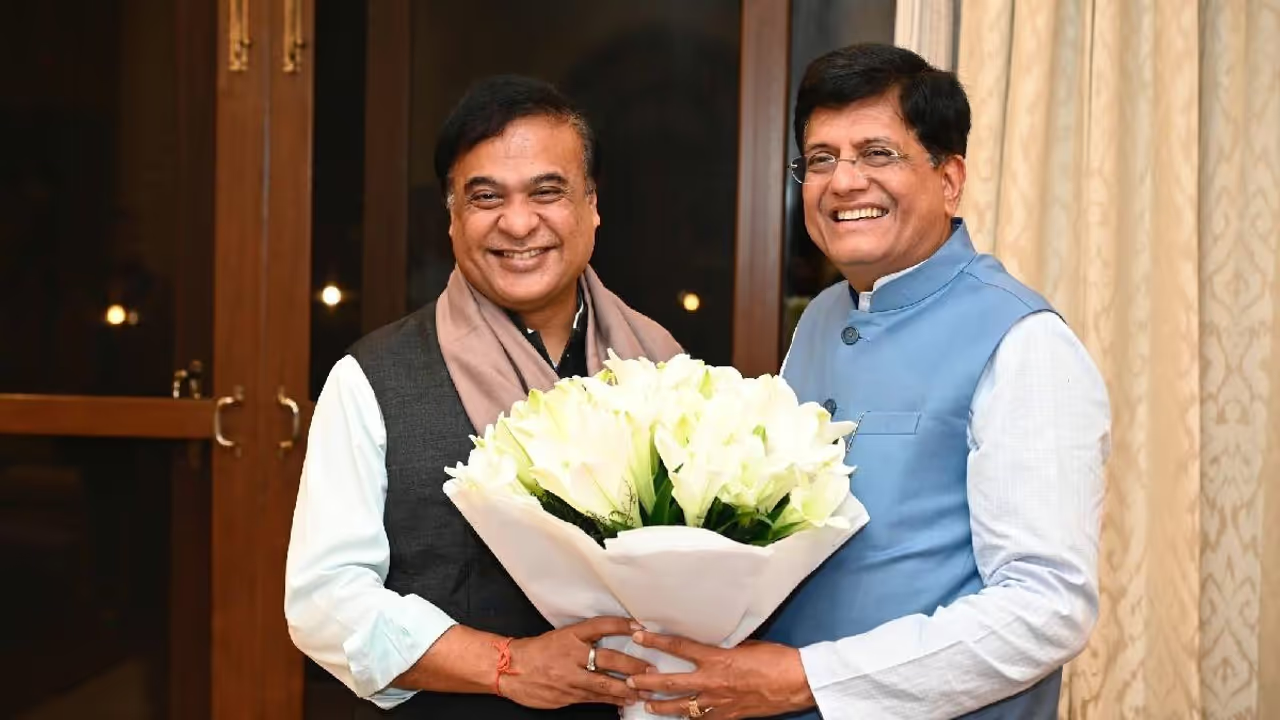
The Assam trade expansion plans received a major push after Chief Minister Himanta Biswa Sarma held high-level discussions with Union Commerce and Industry Minister Piyush Goyal. The meeting focused on leveraging India’s Free Trade Agreements (FTAs) to create new opportunities for Assam’s handloom sector and local entrepreneurs. Moreover, the talks highlighted the state’s efforts to strengthen exports, expand market access, and enhance the competitiveness of traditional industries in national and international markets.
SIT Demand Grows in Nagaland POCSO Case
Assam Pushes Major Energy Expansion Plans
Assam Strengthens Trade Development Strategy
Assam is actively pursuing new opportunities to strengthen its trade ecosystem and support local businesses. During discussions with Union Minister Piyush Goyal, Chief Minister Himanta Biswa Sarma explored ways to connect Assam’s industries with broader domestic and global markets.
Moreover, the meeting reflected the state’s commitment to promoting entrepreneurship and increasing the reach of locally produced goods. Expanding trade opportunities remains a key component of Assam’s economic development strategy.
Consequently, the discussions generated significant interest among business communities and industry stakeholders.
Focus on India’s Free Trade Agreements
India’s Free Trade Agreements formed a major part of the discussions. FTAs help reduce trade barriers and create easier access to international markets for businesses and exporters.
Furthermore, these agreements can provide competitive advantages to industries seeking to expand beyond domestic markets. By utilizing FTA opportunities, Assam’s businesses may gain access to a wider customer base and improved export prospects.
As a result, the state is exploring ways to maximize benefits from these trade arrangements.
Boost for Assam’s Handloom Sector
The handloom industry remains one of Assam’s most important traditional sectors. Renowned for its craftsmanship and cultural significance, the industry supports thousands of artisans and weaving families across the state.
Moreover, expanded market access can help increase demand for handloom products and improve income opportunities for artisans. Government support and strategic trade initiatives often play a crucial role in strengthening traditional industries.
Therefore, the sector remains a priority in Assam’s trade development efforts.
Creating Opportunities for Local Entrepreneurs
Entrepreneurs play a vital role in driving economic growth and innovation. The discussions focused on creating pathways that allow local businesses to benefit from emerging trade opportunities.
Additionally, improved access to markets can encourage business expansion and attract new investments. Entrepreneurs often thrive when supported by favorable trade policies and infrastructure.
Consequently, local enterprises could gain significant advantages from enhanced trade initiatives.
Expanding Export Potential
Exports contribute significantly to economic development by generating revenue and increasing market reach. Assam possesses a diverse range of products that hold potential in both domestic and international markets.
Furthermore, stronger trade networks can help businesses identify new customers and strengthen supply chains. Export-oriented growth strategies often support employment generation and industrial expansion.
As a result, expanding exports remains an important objective for policymakers.
Importance of Supporting Traditional Industries
Traditional industries such as handloom production contribute not only to economic growth but also to cultural preservation. Supporting these sectors helps maintain heritage skills while creating sustainable livelihood opportunities.
Moreover, increased market access can improve the visibility of traditional products and encourage greater consumer demand. Strategic promotion efforts often help artisans compete more effectively in larger markets.
Therefore, trade initiatives can play a meaningful role in preserving cultural industries.
Strengthening Economic Competitiveness
Competitiveness remains essential for businesses operating in an increasingly interconnected global economy. Improved market access, better infrastructure, and supportive policies can help enterprises perform more effectively.
Furthermore, exposure to international markets often encourages innovation and quality improvements. Businesses that adapt successfully can expand operations and strengthen their market position.
Consequently, enhancing competitiveness remains a key goal of trade development efforts.
Collaboration Between State and Central Governments
The meeting highlighted the importance of cooperation between state and central governments in promoting economic growth. Joint efforts often help align policies and create opportunities for regional industries.
Moreover, collaboration can facilitate access to resources, expertise, and market development programs. Effective coordination frequently accelerates implementation and improves outcomes.
As a result, continued engagement between policymakers remains essential.
Benefits for Small and Medium Enterprises
Small and medium enterprises form a significant part of Assam’s economy. Many of these businesses can benefit from improved trade opportunities and greater access to domestic and international markets.
Additionally, supportive policies can help SMEs overcome challenges related to market entry, branding, and distribution. Strengthening these enterprises often contributes to broader economic development.
Therefore, trade-focused initiatives may deliver long-term benefits to local businesses.
Looking Ahead
The discussions between Himanta Biswa Sarma and Piyush Goyal signal continued efforts to position Assam as a stronger participant in national and global trade networks. Future initiatives may focus on export promotion, market development, and support for entrepreneurs.
Furthermore, the state is expected to continue exploring opportunities arising from India’s Free Trade Agreements. Strategic planning and coordinated implementation can help maximize benefits for local industries.
Consequently, Assam’s trade sector may experience significant growth in the coming years.
Conclusion
The Assam trade expansion plans gained fresh momentum through high-level discussions focused on leveraging India’s Free Trade Agreements to support local entrepreneurs and the handloom industry. By emphasizing exports, market access, and business development, the initiative aims to create new opportunities for economic growth and employment.
As Assam continues strengthening its trade ecosystem, local businesses and artisans could benefit from wider market reach and increased competitiveness. The discussions underscore the state’s commitment to building a stronger and more globally connected economy.
FAQs
Why did Assam CM meet Piyush Goyal?
The meeting focused on expanding trade opportunities and utilizing India’s Free Trade Agreements for Assam’s industries.
What role do FTAs play in trade growth?
FTAs help reduce trade barriers and improve access to international markets.
How can the handloom sector benefit?
Greater market access can increase demand, improve sales, and support artisan livelihoods.
Why are local entrepreneurs important?
Entrepreneurs drive economic growth, create jobs, and contribute to innovation and business expansion.
What is the goal of Assam’s trade strategy?
The strategy aims to strengthen exports, support businesses, and enhance the state’s economic competitiveness.