


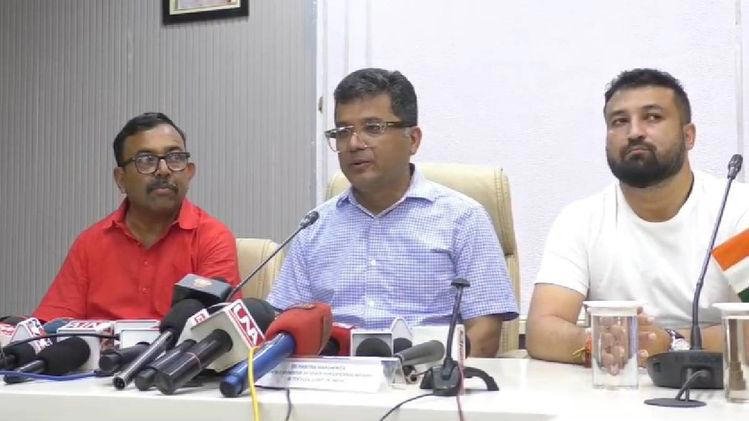
The Assam government has intensified rescue and relief operations across flood-affected districts, with a total of 29,910 people rescued from inundated areas as authorities continue to respond to one of the state’s recurring monsoon challenges. The coordinated efforts involve the State Disaster Response Force (SDRF), National Disaster Response Force (NDRF), Indian Army, Assam Police, Fire and Emergency Services, and local administration working together to evacuate stranded residents and provide essential assistance.
Officials said rescue operations are continuing in areas where floodwaters remain high, while relief and rehabilitation measures have been expanded to ensure that affected families receive food, shelter, healthcare, and other basic necessities.
Nearly 30,000 people rescued from flood-hit areas
According to official figures, 29,910 people have been safely rescued from various flood-affected districts since the onset of the current flood situation. Rescue teams have been using boats and other specialised equipment to evacuate residents trapped in submerged villages and low-lying areas.
Authorities said the coordinated response has helped move thousands of people to safer locations, reducing the risk to human life amid rising water levels. Rescue personnel have been working round the clock despite difficult weather conditions and damaged infrastructure to reach isolated communities.
Officials added that evacuation efforts remain a priority in areas where flooding continues to pose a threat to residents.
Relief camps and distribution centres operational
To support displaced families, the state government has established relief camps and relief distribution centres across the affected districts. These facilities are providing temporary shelter, cooked food, drinking water, clothing, sanitation facilities, and medical assistance to flood-affected people.
District administrations are continuously monitoring the requirements of relief camps to ensure an uninterrupted supply of essential items. Special attention is being given to children, elderly persons, pregnant women, and individuals requiring medical care.
Authorities stated that relief materials are being transported to inaccessible areas through coordinated efforts involving multiple government departments and emergency agencies.
Government intensifies rehabilitation measures
Alongside rescue operations, the Assam government has accelerated rehabilitation measures to assist communities affected by the floods. Officials are assessing damage to homes, roads, bridges, embankments, public buildings, and agricultural land to prepare for long-term recovery efforts.
Departments have been instructed to restore essential services such as electricity, drinking water, healthcare, and road connectivity as floodwaters gradually recede. The government has also begun preliminary assessments of losses to facilitate future rehabilitation and compensation processes in accordance with applicable guidelines.
Officials emphasised that rehabilitation will continue even after immediate rescue operations conclude.
Multiple agencies working in coordination
The flood response has involved close coordination among various departments and emergency response agencies. The SDRF, NDRF, Indian Army, Assam Police, Fire and Emergency Services, and district administrations have jointly carried out rescue missions in severely affected areas.
Officials said inter-agency coordination has enabled faster deployment of rescue teams, better distribution of relief materials, and efficient monitoring of flood conditions. Control rooms remain operational to receive emergency calls and coordinate assistance wherever required.
The government continues to review the flood situation regularly to ensure that resources are deployed according to evolving needs.
Healthcare and essential services prioritised
Health authorities have intensified medical services in flood-affected districts by deploying medical teams to relief camps and vulnerable communities. Doctors and healthcare workers are providing treatment for common illnesses, distributing essential medicines, and monitoring public health conditions to prevent outbreaks of waterborne and vector-borne diseases.
Safe drinking water, sanitation, and hygiene measures are also being prioritised to minimise health risks among displaced populations.
Officials have appealed to residents to follow health advisories and report any medical emergencies promptly to local authorities.
Restoration of infrastructure underway
As floodwaters begin to recede in some areas, government departments have initiated efforts to restore damaged infrastructure. Road repair, bridge inspections, electricity restoration, and drinking water supply have become major priorities to facilitate the return of normal life.
The Assam Power Distribution Company Limited (APDCL) is restoring electricity only after completing mandatory safety inspections, while the Public Works Department and other agencies are assessing the condition of roads and public infrastructure affected by the floods.
Authorities said restoration work will continue in phases depending on weather conditions and accessibility.
Administration urges public cooperation
The state administration has appealed to residents to cooperate with rescue teams and follow official advisories issued by district authorities. People living in vulnerable areas have been urged to relocate to safer places whenever instructed and avoid entering floodwaters unnecessarily.
Officials also advised citizens to remain cautious around damaged electrical infrastructure, weakened roads, and submerged areas until complete safety assessments are completed.
The government has encouraged people to use official communication channels to report emergencies or seek assistance during the ongoing flood response.
Government committed to supporting affected families
The Assam government has reiterated its commitment to ensuring that every flood-affected family receives timely assistance during the ongoing crisis. Officials said rescue, relief, and rehabilitation operations will continue until all affected communities are safely supported and essential services are fully restored.
With 29,910 people already rescued, authorities remain focused on protecting lives, expanding relief efforts, and accelerating recovery across the affected districts. As emergency agencies continue their operations, the government’s coordinated response aims to minimise the impact of the floods while helping communities rebuild and return to normalcy in the weeks ahead.