


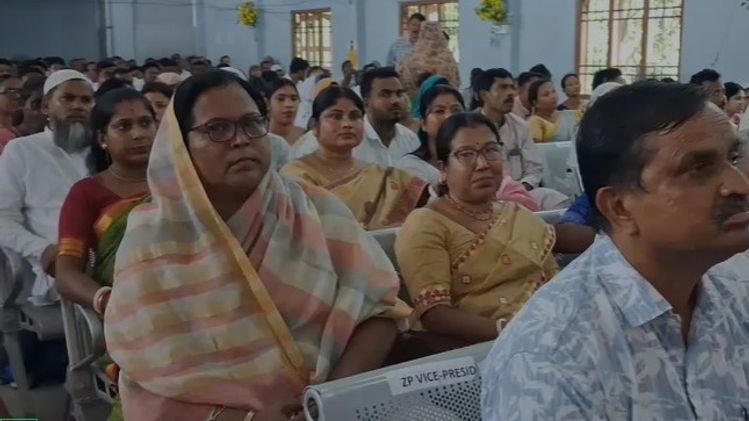
The Assam government has launched a new rural livelihood mission in Dhubri district, marking a significant step towards strengthening rural development and enhancing employment opportunities for economically vulnerable households. As part of the initiative, the state has increased the guaranteed employment period from 100 days to 125 days, aiming to provide greater income security, improve livelihoods, and accelerate socio-economic development in rural areas.
The new mission reflects the government’s continued focus on empowering rural communities through sustainable employment, skill development, and improved access to livelihood opportunities. Officials stated that the enhanced employment guarantee would particularly benefit landless labourers, marginal farmers, women, and economically weaker families who rely heavily on wage-based employment throughout the year.
The programme is expected to strengthen rural infrastructure while generating additional employment through community development projects, contributing to both economic growth and improved living standards across the district.
Rural Livelihood Mission Launched in Dhubri
The launch of the new rural livelihood mission in Dhubri marks an important milestone in Assam’s efforts to promote inclusive development and reduce economic disparities in rural areas. The programme seeks to create sustainable employment opportunities while encouraging community participation in development activities.
Government officials highlighted that the mission has been designed to strengthen rural economies by combining employment generation with infrastructure development, natural resource management, and livelihood enhancement initiatives.
The programme will support various public works and community assets that contribute to long-term development while ensuring regular wage employment for eligible beneficiaries.
Officials expressed confidence that the mission would significantly improve economic resilience among rural households in the district.
Guaranteed Employment Increased to 125 Days
One of the most significant features of the new initiative is the enhancement of guaranteed employment from 100 days to 125 days. The additional 25 days of employment are expected to provide much-needed financial support to rural families, particularly during periods when agricultural work is limited.
The increased employment guarantee aims to improve household incomes while reducing seasonal unemployment in rural areas. Families dependent on daily wages are expected to benefit from greater income stability, allowing them to better meet essential expenses related to food, education, healthcare, and housing.
Officials believe that extending employment opportunities will strengthen rural purchasing power and contribute positively to local economic activity.
The move also reflects the government’s broader commitment to expanding social protection measures for vulnerable communities.
Focus on Strengthening Rural Livelihoods
The newly launched mission places strong emphasis on creating sustainable livelihood opportunities beyond wage employment. Various activities under the programme are expected to support agriculture, horticulture, livestock, fisheries, and other income-generating sectors that contribute to rural prosperity.
Officials indicated that the mission would encourage the development of durable community assets while promoting skill development and entrepreneurship among rural residents.
Strengthening livelihood opportunities helps reduce economic vulnerability and enables households to diversify their sources of income.
The government aims to ensure that rural development programmes generate lasting economic benefits while supporting self-reliance among beneficiaries.
Infrastructure Development to Benefit Villages
Along with employment generation, the mission is expected to contribute significantly to the creation of rural infrastructure. Public works undertaken under the programme may include the construction and maintenance of village roads, irrigation facilities, water conservation structures, drainage systems, community buildings, and other essential assets.
Improved infrastructure enhances connectivity, supports agricultural productivity, facilitates access to markets, and improves the delivery of public services.
Officials noted that durable community assets created through employment programmes provide long-term developmental benefits while simultaneously generating wage opportunities.
The integration of infrastructure development with employment generation remains a key feature of the government’s rural development strategy.
Women and Vulnerable Communities to Receive Greater Support
The rural livelihood mission places particular emphasis on supporting women, economically weaker households, and marginalised communities. Women’s participation in rural employment programmes is expected to improve financial independence while strengthening household incomes.
Self-help groups and community-based organisations are also likely to play an important role in implementing various livelihood initiatives under the programme.
Officials highlighted that inclusive participation is essential for ensuring equitable development and expanding economic opportunities across all sections of rural society.
The programme is expected to contribute to women’s empowerment by providing stable employment opportunities and encouraging greater involvement in local development activities.
Employment Generation to Stimulate Rural Economy
The increase in guaranteed employment is expected to have a positive impact on the rural economy by increasing household purchasing power and supporting local businesses. Additional income earned through employment programmes often contributes to higher spending on essential goods and services, creating a multiplier effect within village economies.
Improved economic activity benefits local traders, service providers, transport operators, and small enterprises while strengthening overall rural markets.
Officials believe that sustained employment generation will contribute to reducing rural poverty and improving socio-economic conditions across Dhubri district.
The programme also supports the government’s broader objective of achieving balanced regional development.
Government Reaffirms Commitment to Inclusive Development
The launch of the mission reflects Assam’s continued commitment to inclusive growth through targeted rural development programmes. The government has consistently prioritised initiatives aimed at improving employment, strengthening infrastructure, promoting agriculture, and enhancing the quality of life in rural areas.
Officials stated that regular monitoring and effective implementation would be essential to ensure that the programme delivers its intended benefits to eligible households.
The administration also plans to work closely with local bodies and community institutions to facilitate transparent implementation and timely execution of projects.
Such collaborative efforts are expected to maximise the long-term impact of the initiative across the district.
A Significant Step Towards Rural Prosperity
The launch of the new rural livelihood mission in Dhubri and the decision to increase guaranteed employment to 125 days represent a significant step towards strengthening Assam’s rural economy. By providing additional employment opportunities, supporting infrastructure development, and promoting sustainable livelihoods, the initiative aims to improve income security and enhance the overall well-being of rural communities.
As the programme is implemented across the district, it is expected to generate lasting economic benefits through stronger rural infrastructure, increased employment, and greater financial stability for thousands of families. The initiative also reinforces the government’s commitment to inclusive development by ensuring that economic growth reaches the grassroots and creates meaningful opportunities for those who depend most on public employment programmes.