


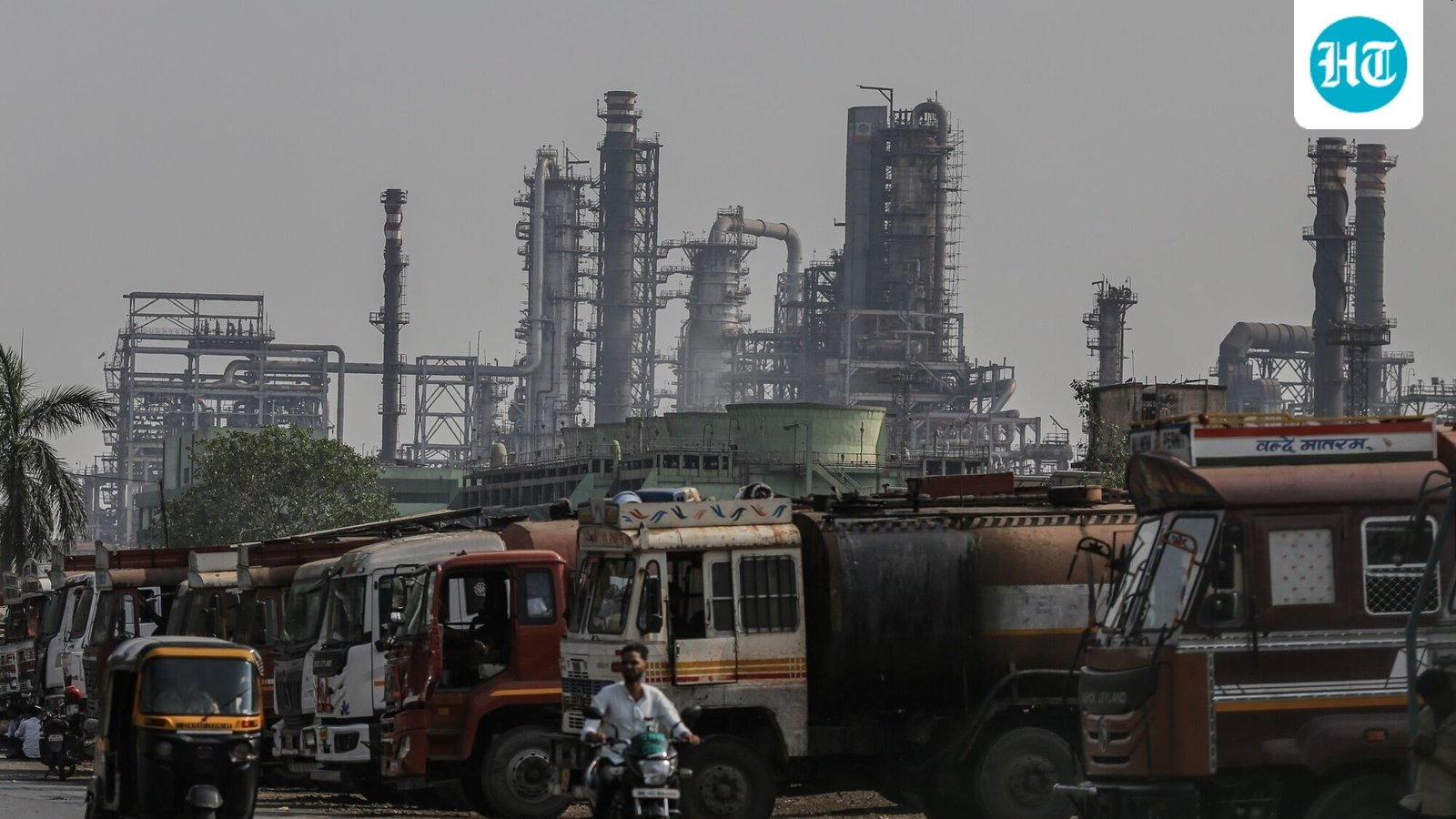
The recently signed tripartite Memorandum of Understanding (MoU) between the Central Government, Assam, and Nagaland is projected to significantly enhance oil production capacity in the Northeast, with estimates suggesting that extraction output could increase nearly tenfold to reach as much as 15,000 barrels per day. The anticipated expansion represents a major milestone in the region’s pursuit of energy self-reliance, economic development, and strategic resource utilization. Moreover, policymakers and industry experts have highlighted the agreement’s potential to transform the energy landscape of Northeast India.
Manipur Security Forces Intensify Anti-Extortion Operations, Detain Two Alleged Militant Operatives
Major Production Expansion Projected Under New Agreement
Officials and industry stakeholders have indicated that the newly established cooperative framework could substantially increase oil extraction activities in the disputed border regions. Consequently, projections suggest that production capacity may eventually rise to approximately 15,000 barrels per day, marking a significant increase over existing output levels.
According to policy analysts, the agreement creates opportunities for coordinated exploration, infrastructure development, and improved resource management. Moreover, the resolution of long-standing administrative and operational challenges is expected to facilitate greater investment and technological deployment. Therefore, the latest projections have generated considerable interest among policymakers and energy sector observers.
Authorities emphasized that achieving higher production levels will require sustained investment, regulatory coordination, and infrastructure expansion. As a result, implementation strategies and operational planning remain critical priorities.
Meanwhile, stakeholders continue to evaluate the technical and economic implications of the projected expansion.
Energy Self-Reliance Emerges as a Strategic Objective
The anticipated increase in oil production has been viewed as an important step toward strengthening regional energy security and reducing dependence on external energy supplies. Moreover, enhanced domestic production capacity can contribute to broader national objectives related to energy resilience and economic growth. Therefore, the project carries significant strategic importance.
Energy experts noted that expanding indigenous hydrocarbon production can support industrial development, employment generation, and infrastructure investment. Consequently, governments often prioritize domestic resource development as part of long-term energy planning strategies. Such initiatives can strengthen economic stability and improve resource security.
Furthermore, increased production capacity could create opportunities for downstream industries and related economic activities. As a result, expectations regarding broader economic benefits have increased.
Meanwhile, policymakers continue to assess the long-term impact of the agreement on regional energy policy.
Economic and Developmental Benefits Expected
The projected increase in oil extraction activity is also expected to contribute to economic development across the region. Moreover, expanded exploration and production activities may generate employment opportunities, strengthen infrastructure, and attract additional investment. Therefore, the agreement has been viewed as an important economic initiative.
Development analysts observed that large-scale energy projects often produce multiplier effects across transportation, services, logistics, and industrial sectors. Consequently, increased hydrocarbon production can contribute to broader regional development objectives. Such investments can improve economic resilience and support long-term growth.
Furthermore, enhanced cooperation among governments and industry stakeholders may strengthen the overall investment environment. As a result, future energy projects could benefit from improved institutional coordination.
Meanwhile, authorities remain focused on ensuring sustainable and efficient implementation.
Long-Term Regional Transformation Remains the Goal
The projected production increase underscores the broader objective of transforming Northeast India into a more economically integrated and energy-secure region. Moreover, policymakers continue to emphasize the importance of balancing resource development with long-term sustainability and institutional cooperation. Therefore, the agreement is expected to play an important role in future development planning.
Experts emphasized that achieving energy self-reliance requires sustained investment, technological advancement, and effective governance frameworks. Consequently, continued cooperation among the Centre, state governments, and industry stakeholders will remain essential. Such efforts can contribute to long-term economic and strategic gains.
Furthermore, the successful implementation of the agreement may serve as a model for future resource-sharing and development initiatives. As a result, public and policy interest in the project remains strong.
Conclusion
The projected expansion of oil production under the Assam-Nagaland-Centre tripartite MoU represents a potentially transformative development for Northeast India’s energy sector. Moreover, the anticipated increase to as much as 15,000 barrels per day highlights the importance of cooperation, investment, and strategic planning in achieving energy self-reliance.
As implementation progresses, the agreement’s impact on economic development, energy security, and regional cooperation will continue to attract significant attention. Therefore, the initiative is expected to remain a key component of Northeast India’s evolving development strategy.
The projected milestone underscores the growing importance of coordinated resource management and long-term energy planning in shaping the region’s future.
FAQs
1. What production level is being projected under the new MoU?
The agreement is projected to increase oil production capacity to as much as 15,000 barrels per day.
2. Why is this considered a major milestone?
It represents a significant step toward regional energy self-reliance and economic development.
3. Who signed the agreement?
The tripartite MoU was signed by the Central Government, Assam, and Nagaland.
4. What economic benefits could result from increased production?
Potential benefits include employment generation, infrastructure development, and increased investment.
5. Does the projected output increase happen immediately?
No, achieving the projected production levels will require phased implementation, investment, and infrastructure expansion.