


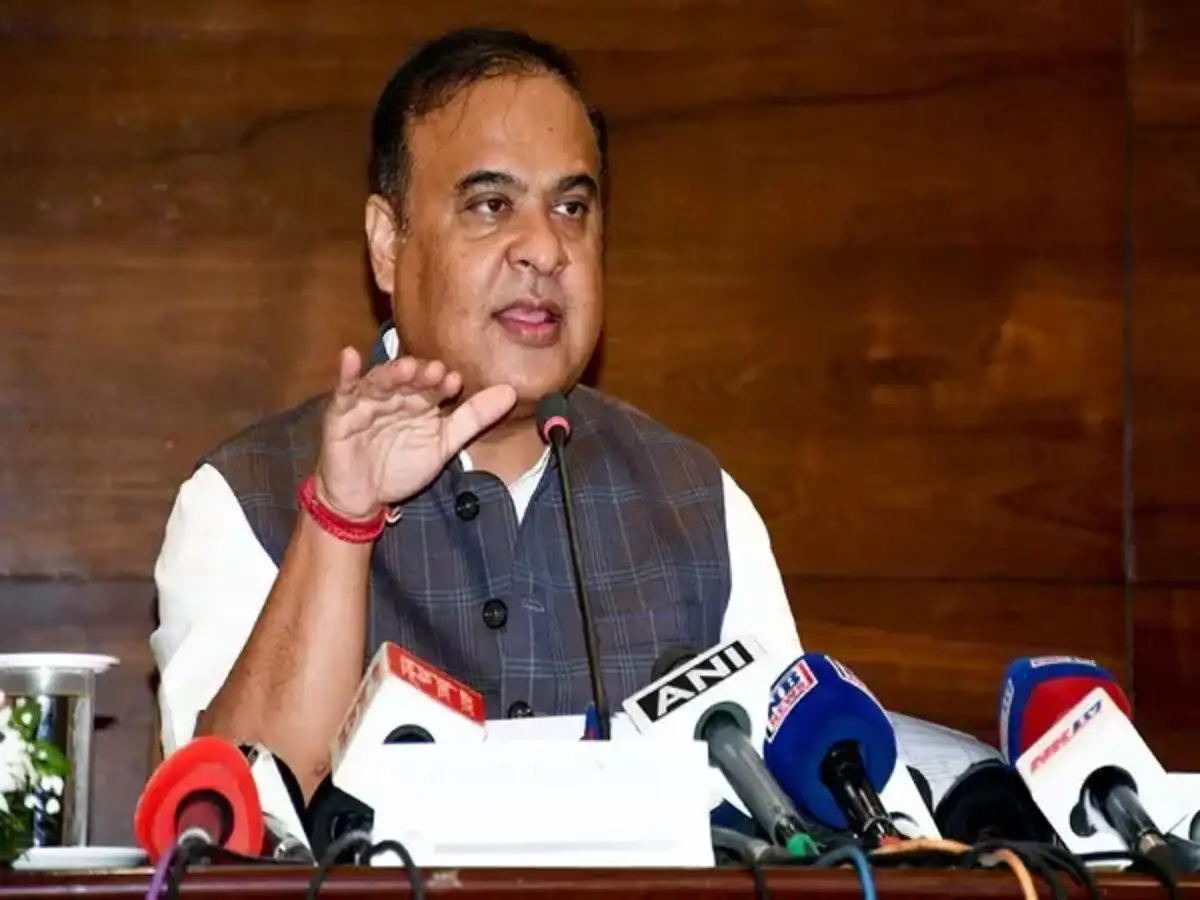
The Assam FTA alignment agenda gained momentum as Chief Minister Himanta Biswa Sarma met Union Commerce Minister Piyush Goyal to discuss how upcoming national Free Trade Agreements (FTAs) can benefit local entrepreneurs and strengthen the state’s trade ecosystem. The discussions focused on expanding export opportunities, improving market access, and positioning Assam’s traditional and emerging industries within global supply chains. Moreover, the meeting highlighted the state’s ambition to integrate more deeply with international trade frameworks.
Sepahijala Panchayat Wins National Nanaji Deshmukh Award
Red Sox Home Struggles Reach Historic Levels at Fenway Park
High-Level Discussion on Trade Expansion
The meeting between CM Sarma and Piyush Goyal centered on leveraging national FTAs to support the Assam FTA alignment strategy.
Moreover, both leaders reviewed how upcoming international trade agreements could open new economic pathways for Assam’s local businesses, startups, and traditional industries.
Consequently, the discussions emphasized strengthening Assam’s role in global trade networks.
Boosting Export Opportunities for Assam
A key focus of the talks was improving export potential across multiple sectors.
Furthermore, Assam’s products such as tea, handloom textiles, bamboo-based goods, agri-products, and handicrafts were identified as having strong global demand.
Therefore, FTAs are expected to help reduce trade barriers and improve market access for local producers.
Empowering Local Entrepreneurs
The Assam FTA alignment initiative aims to directly benefit small and medium enterprises (SMEs).
Moreover, easier access to international markets can help entrepreneurs scale their businesses and increase competitiveness.
As a result, the state government is focusing on capacity-building and export readiness programs.
Strengthening Handloom and Traditional Industries
Assam’s handloom and cultural industries remain central to its economic identity.
Furthermore, global trade agreements could provide these sectors with new opportunities for branding, exports, and international recognition.
Consequently, traditional artisans may gain improved income prospects through expanded demand.
Agricultural and Rural Product Exports
Agriculture remains a vital part of Assam’s economy.
Moreover, FTAs could help local farmers access better pricing and broader markets for tea, spices, fruits, and organic produce.
Therefore, rural economies are expected to benefit from improved trade connectivity.
Infrastructure and Trade Logistics Focus
Trade expansion also depends on strong logistics and infrastructure systems.
Furthermore, discussions highlighted the importance of improving transport networks, export hubs, and supply chain efficiency.
As a result, better infrastructure could reduce export costs and improve competitiveness.
Integration with Global Supply Chains
The state aims to position itself within larger global supply chains through strategic trade alignment.
Moreover, participation in FTAs can help Assam attract investment and connect local industries with international manufacturers and buyers.
Consequently, this could lead to long-term industrial growth.
Role of Policy Support and Training
The meeting also emphasized the need for policy support and skill development.
Furthermore, training programs can help entrepreneurs understand international standards, certifications, and export procedures.
Therefore, capacity building is seen as essential for maximizing FTA benefits.
Digital and Startup Ecosystem Opportunities
The growth of digital platforms and startups was also discussed in the context of trade expansion.
Moreover, e-commerce and online export channels can help small businesses reach global customers more easily.
As a result, Assam’s digital economy could play a growing role in trade development.
Looking Ahead
The Assam FTA alignment initiative is expected to evolve alongside India’s upcoming trade agreements.
Furthermore, continued coordination between state and central governments will be key to ensuring that local industries benefit from global market access.
Consequently, Assam’s trade ecosystem is likely to become more globally integrated in the coming years.
Conclusion
The meeting between CM Himanta Biswa Sarma and Union Minister Piyush Goyal marks a significant step in advancing the Assam FTA alignment strategy. By focusing on export growth, entrepreneur empowerment, and global market integration, the discussions highlight Assam’s ambition to strengthen its position in international trade.
As Free Trade Agreements expand India’s global engagement, Assam aims to ensure that its local industries, farmers, and artisans become active participants in the global economy.
FAQs
What is Assam FTA alignment?
It refers to aligning Assam’s economy with national Free Trade Agreements to boost exports and trade opportunities.
Who discussed this initiative?
CM Himanta Biswa Sarma and Union Commerce Minister Piyush Goyal.
Which sectors will benefit?
Tea, handloom, agriculture, bamboo products, handicrafts, and SMEs.
How will entrepreneurs benefit?
They will gain better access to global markets and reduced trade barriers.
Why are FTAs important for Assam?
They help integrate local industries into global supply chains and increase export opportunities.