


The Assam government has set a July 31 deadline for the completion of a key road project in the Barak Valley and has simultaneously directed officials to undertake immediate repairs of damaged stretches along the route. The decision reflects the state’s determination to improve connectivity, ensure safer travel, and accelerate infrastructure development in one of the most strategically important regions of southern Assam.
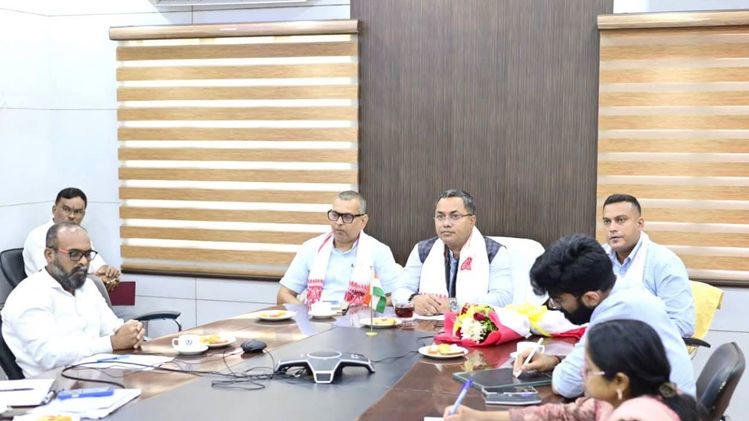
The directive was issued following a review of the project’s progress and the condition of several road sections that have been affected by weather conditions, heavy traffic movement, and delayed maintenance. Senior officials have been instructed to closely monitor the implementation process and ensure that the deadline is met without further delays.
The road project is expected to significantly improve transportation links within the Barak Valley and strengthen connectivity between the region and other parts of Assam. Government representatives emphasized that timely completion is essential for supporting economic activities, reducing travel time, and improving access to essential services.
The latest move highlights the growing focus of the state government on infrastructure development as a key driver of economic growth and regional integration.
Barak Valley’s Strategic Importance
Barak Valley occupies a crucial position in Assam’s development landscape. Comprising the districts of Cachar, Karimganj, and Hailakandi, the region serves as an important economic, cultural, and transportation hub in southern Assam.
The valley plays a significant role in trade, agriculture, education, and commerce. It also acts as a vital link connecting Assam with neighboring states and international border areas. As a result, road infrastructure in the region carries immense importance for economic activity and public mobility.
Officials noted that efficient road networks are essential for ensuring the smooth movement of goods and passengers. Improved connectivity can reduce transportation costs, facilitate business operations, and improve access to healthcare, education, and government services.
The government believes that upgrading road infrastructure in the Barak Valley will contribute significantly to regional development and economic progress.
July 31 Deadline Reflects Urgency
The decision to set a firm July 31 deadline reflects the government’s emphasis on timely project execution. Infrastructure projects often face delays due to administrative challenges, weather-related disruptions, and logistical constraints. However, officials stressed that prolonged delays can affect economic activities and inconvenience the public.
Authorities have directed concerned departments and contractors to accelerate work and ensure that all pending tasks are completed within the stipulated timeframe. Regular monitoring mechanisms have been put in place to track progress and address obstacles that may arise during implementation.
Officials stated that meeting the deadline is essential for restoring normal traffic flow and delivering the benefits of the project to residents and businesses that depend on the route.
The government’s approach underscores a broader effort to improve project management and enhance accountability in infrastructure development.
Damaged Road Sections to Receive Immediate Attention
Alongside the deadline for project completion, authorities have ordered the urgent repair of damaged road stretches that have affected commuters in recent months. Several sections have reportedly deteriorated due to heavy rainfall, waterlogging, and continuous vehicular movement.
Officials acknowledged that damaged roads create difficulties for motorists and can increase travel time, vehicle maintenance costs, and safety risks. Immediate repair work has therefore been prioritized to ensure smoother transportation and prevent further deterioration.
Engineers and field officials have been instructed to assess the extent of damage and implement necessary restoration measures. Maintenance activities are expected to include resurfacing, pothole repairs, drainage improvements, and strengthening of vulnerable sections.
The government has emphasized that road maintenance must remain a continuous process rather than being limited to emergency interventions.
Improved Connectivity to Benefit Local Economy
Better road infrastructure is expected to have a positive impact on the Barak Valley’s economy. Efficient transportation networks play a crucial role in supporting trade, agriculture, tourism, and industrial activities.
Farmers rely heavily on road connectivity to transport agricultural produce to markets. Improved roads can reduce transportation costs and help ensure that products reach consumers more quickly. Businesses also benefit from better logistics and reduced travel times.
Officials noted that infrastructure improvements can encourage investment by creating a more favorable environment for economic activity. Enhanced connectivity often attracts new businesses and supports the expansion of existing enterprises.
The road project is therefore viewed not only as a transportation initiative but also as an important investment in the region’s economic future.
Enhancing Public Convenience and Safety
Road infrastructure directly affects the daily lives of citizens. Students, workers, patients, and travelers depend on reliable transportation networks for accessing educational institutions, workplaces, healthcare facilities, and public services.
The condition of roads can significantly influence travel safety and convenience. Damaged stretches often increase the risk of accidents and create difficulties for commuters, particularly during adverse weather conditions.
Government officials stressed that improving road quality remains essential for ensuring public safety. Timely repairs and maintenance can reduce hazards and enhance overall travel conditions.
The project is expected to provide safer and more comfortable transportation for residents while improving connectivity between urban centers and rural communities across the valley.
Monitoring Mechanisms Strengthened
To ensure timely completion of the project, authorities have strengthened monitoring and review mechanisms. Officials have been directed to conduct regular inspections and submit progress reports on implementation activities.
The government believes that close supervision is essential for preventing delays and maintaining quality standards. Monitoring systems help identify challenges at an early stage and enable corrective action before problems become more serious.
Senior officials are expected to remain actively involved in overseeing the project and ensuring that all stakeholders fulfill their responsibilities. Contractors have also been reminded of the importance of adhering to timelines and quality specifications.
The emphasis on monitoring reflects a broader effort to improve efficiency and accountability in public infrastructure projects.
Infrastructure Development Remains a State Priority
The Barak Valley road project forms part of Assam’s wider infrastructure development strategy. Over the past several years, the state has invested heavily in roads, bridges, highways, rail connectivity, and urban infrastructure to support economic growth and improve public services.
Officials noted that transportation infrastructure serves as the backbone of development by connecting communities, facilitating commerce, and enabling access to opportunities. Improved roads contribute directly to regional integration and social progress.
The government has consistently emphasized the importance of modern infrastructure in enhancing competitiveness and supporting long-term growth. Projects such as the Barak Valley road upgrade are viewed as critical components of this vision.
Continued investment in transportation networks is expected to remain a key focus area in the state’s development agenda.
Addressing Weather-Related Challenges
One of the recurring challenges facing road infrastructure in the Barak Valley is the impact of heavy rainfall and seasonal weather conditions. Frequent rains can damage road surfaces, weaken embankments, and disrupt transportation services.
Officials acknowledged that climate-related challenges require durable engineering solutions and improved maintenance practices. Future infrastructure planning is expected to incorporate measures aimed at enhancing resilience against weather-related damage.
Drainage systems, stronger construction materials, and regular maintenance programmes are among the measures being considered to improve road durability and reduce repair requirements.
Authorities emphasized that addressing environmental challenges is essential for ensuring the long-term sustainability of infrastructure investments.
A Step Toward Better Regional Connectivity
The decision to enforce a July 31 deadline and initiate repairs of damaged stretches demonstrates the government’s commitment to improving transportation infrastructure in the Barak Valley. By prioritizing timely completion and maintenance, authorities aim to ensure that residents and businesses benefit from better connectivity and safer travel conditions.
The project is expected to support economic development, enhance public convenience, and strengthen links between different parts of the region. Improved roads will facilitate trade, improve access to services, and contribute to overall regional growth.
As work progresses toward the deadline, officials remain focused on ensuring quality implementation and efficient project management. The initiative reflects Assam’s broader vision of building modern infrastructure capable of supporting long-term development and improving the quality of life for its citizens.
With sustained monitoring and timely execution, the Barak Valley road project is expected to become a significant milestone in the region’s infrastructure development journey and a catalyst for future growth.