


Assam’s dairy sector is facing the challenge of increasing milk production and strengthening its supply chain as demand for milk and dairy products continues to grow across the state.
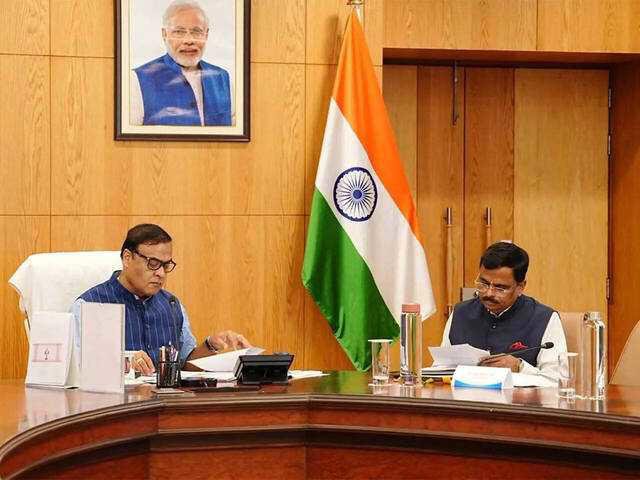
The issue came into focus during a review meeting chaired by Assam Chief Minister Himanta Biswa Sarma, where the state government assessed milk availability, production levels, district-wise demand, dairy cooperative societies and processing infrastructure. The review highlighted the need for a coordinated strategy to improve production, procurement and processing while creating sustainable opportunities for dairy farmers.
Assam Produces 33.53 Lakh Litres of Milk Daily
Officials informed the Chief Minister that Assam currently produces around 33.53 lakh litres of milk per day, with annual milk production estimated at 12,240 lakh litres.
Despite the state’s growing dairy sector, the review identified a gap between local production and the increasing demand for milk and milk products. This has created pressure on the state to strengthen domestic production and reduce dependence on milk brought in from outside Assam.
The state government is now focusing on improving the entire dairy value chain, from cattle rearing and milk production to collection, processing and marketing.
Cooperative Network Faces Registration Gap
Dairy Cooperative Societies are expected to play an important role in strengthening Assam’s organised dairy sector.
According to the review, Assam has 2,006 organised Dairy Cooperative Societies, but only 1,032 of them are registered. The gap between organised and formally registered societies was among the issues discussed during the meeting.
A stronger cooperative network can help farmers access organised milk procurement systems, government incentives and processing facilities. It can also improve market access and reduce the difficulties faced by small-scale dairy farmers operating independently.
The Chief Minister directed officials to explore measures for expanding cooperative coverage and strengthening Dairy Cooperative Societies across the state.
Processing Capacity Needs Major Expansion
The review also examined Assam’s existing and upcoming milk processing infrastructure.
The state currently has a milk processing capacity of around 4.95 lakh litres per day, while an additional capacity of 4.20 lakh litres per day is under development.
Upcoming processing projects are located in Bajali, Kaliapani in Jorhat, Lahowal in Dibrugarh, Rangajan Gaon in Dhemaji, Jamugurihat in Sonitpur and Rani in Kamrup district. These facilities are expected to strengthen Assam’s capacity to process locally procured milk and support the expansion of the organised dairy sector.
Improving processing infrastructure is considered essential for reducing wastage, strengthening procurement and ensuring that farmers have access to stable markets.
Rs 5 Milk Subsidy Aims to Support Dairy Farmers
The implementation of Assam’s Rs 5 per litre milk incentive scheme was also reviewed during the meeting.
Under the scheme, eligible dairy farmers supplying milk through registered Dairy Cooperative Societies or registered farmer organisations to designated processing units can receive an incentive of Rs 5 per litre, subject to prescribed limits.
The government has said the initiative is aimed at revitalising milk production, improving organised milk marketing and helping farmers manage the high cost of milk production. The scheme also seeks to make locally produced milk more competitive against milk imported from other states.
However, gaps in beneficiary coverage and registration remain among the issues that need to be addressed for the scheme to reach a wider section of dairy farmers.
High Production Costs Remain a Major Challenge
The rising cost of dairy farming continues to pose challenges for producers.
Issues such as the availability of affordable cattle feed and fodder, veterinary services, breeding support and transportation can directly affect milk production and the profitability of farmers.
The availability of quality fodder has emerged as a particularly important concern, as feed costs account for a major share of the overall cost of milk production. Dependence on supplies from outside the state can also expose dairy farmers to higher transportation costs and price fluctuations.
Strengthening local fodder production and improving access to veterinary and livestock development services could therefore be important for increasing productivity and reducing costs.
Focus on High Milk-Producing Areas and Traditional Pockets
The Assam government is also looking at identifying areas with strong dairy potential.
Chief Minister Sarma directed officials to identify production gaps and high milk-producing areas and explore ways to promote traditional milk production pockets.
The feasibility of a hub-and-spoke model for milk collection and processing was also discussed. Such a system could help connect smaller dairy-producing areas with larger processing facilities through organised collection networks.
The government is also considering wider cooperative coverage, with the aim of establishing Dairy Cooperative Societies in more villages.
Women-Led Dairy Cooperatives in Focus
The Chief Minister placed particular emphasis on increasing the participation of women in Assam’s dairy sector.
Women-led Dairy Cooperative Societies are expected to play an important role in expanding the organised dairy ecosystem and creating livelihood opportunities in rural areas.
The review also discussed the conservation and promotion of the Lakhimi cattle breed as part of efforts to strengthen livestock development and improve milk production.
Greater participation by women, improved livestock management and stronger cooperative institutions could help create a more inclusive and sustainable dairy economy across Assam.
Government Plans Long-Term Dairy Roadmap
The Assam government is now working towards developing a coordinated long-term strategy for the sector.
Chief Minister Sarma has directed officials to organise a day-long brainstorming session involving the Veterinary Department, Cooperative Department, milk processors and dairy farmers. The discussions are expected to focus on subsidy reforms, production gaps, cooperative expansion, collection systems and processing infrastructure.
He has also directed the filling of vacant posts in the Directorate of Dairy Development and called for a comprehensive livestock survey to support evidence-based planning.
Assam’s Dairy Sector at a Crucial Stage
The Assam dairy sector is at an important stage as rising demand creates both opportunities and challenges.
While the growth in demand can create new income opportunities for farmers and rural communities, increasing production will require stronger cooperatives, improved livestock services, affordable feed and fodder, better procurement systems and expanded processing infrastructure.
The state’s ongoing review and planned interventions reflect an effort to address these challenges through a comprehensive approach. As Assam seeks to become more self-reliant in milk production, the success of its dairy strategy will depend on how effectively farmers, cooperatives, processors and government agencies work together to build a stronger and more sustainable dairy value chain.