


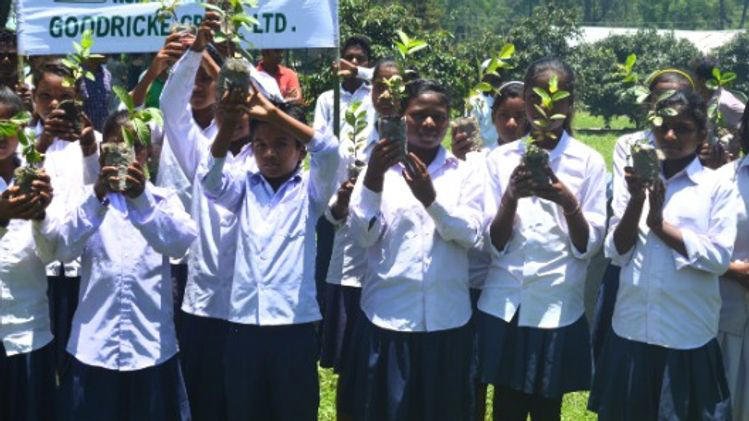
Assam Chief Minister Himanta Biswa Sarma has said that the educational landscape of the state’s tea garden regions has undergone a significant transformation with the establishment of 218 model schools. Highlighting the government’s commitment to improving educational opportunities for tea garden communities, the Chief Minister stated that these institutions have emerged as important centers of learning, helping bridge educational gaps and create new pathways for social and economic progress.
The initiative forms part of the state’s broader efforts to enhance educational access, strengthen infrastructure, and improve learning outcomes in historically underserved regions. According to the Chief Minister, the model schools are playing a crucial role in ensuring that children from tea garden families receive quality education and better opportunities for personal development.
The development has been widely regarded as a major step toward promoting inclusive growth and empowering communities that have long contributed to Assam’s economy through the tea industry. Education experts and policymakers believe that improved access to quality schooling can have a transformative impact on future generations.
Focus on Educational Inclusion
The establishment of model schools in tea garden areas reflects the government’s emphasis on inclusive education. For decades, educational access in several tea garden regions faced challenges related to infrastructure, connectivity, and limited institutional resources.
The Chief Minister noted that addressing these challenges has been a key priority. By establishing modern educational institutions equipped with improved facilities, the government aims to ensure that children from tea garden communities receive learning opportunities comparable to those available elsewhere in the state.
Officials emphasized that education serves as one of the most effective tools for social mobility and empowerment. Expanding educational access in tea garden areas is therefore viewed as an investment in long-term community development.
Strengthening School Infrastructure
One of the defining features of the model school initiative is its focus on infrastructure development. The schools have been designed to provide students with improved learning environments, including modern classrooms, laboratories, libraries, sanitation facilities, and other essential amenities.
According to officials, better infrastructure contributes significantly to student engagement, attendance, and academic performance. The availability of quality educational facilities also helps create a more supportive environment for both students and teachers.
The Chief Minister highlighted that infrastructure improvements are an important component of broader efforts to strengthen Assam’s education sector. Investments in school facilities are expected to continue as part of the state’s commitment to enhancing learning outcomes.
Creating Opportunities for Tea Garden Communities
Tea garden communities have played a vital role in Assam’s socio-economic development for generations. However, access to quality education has often been identified as an area requiring greater attention and investment.
The model schools initiative seeks to address this issue by bringing improved educational opportunities closer to students living in tea garden regions. Officials believe that access to quality education can help break cycles of disadvantage and create new opportunities for young people.
The Chief Minister emphasized that empowering students through education contributes not only to individual success but also to the broader development of families and communities. By investing in education, the government aims to support long-term social and economic advancement.
Improving Learning Outcomes
Beyond infrastructure, the model schools initiative focuses on enhancing the quality of education and improving learning outcomes. Teachers, administrators, and education officials have been working to strengthen academic standards and ensure effective classroom instruction.
Efforts include introducing modern teaching methods, improving assessment practices, and creating supportive learning environments that encourage student participation. Authorities are also promoting the use of technology and innovative educational tools to enhance learning experiences.
Officials noted that quality education requires a combination of infrastructure, skilled teachers, effective governance, and student support systems. The model schools have been developed with these principles in mind.
Supporting Assam’s Education Reforms
The transformation of education in tea garden areas aligns with Assam’s broader education reform agenda. The state government has undertaken various initiatives aimed at improving school infrastructure, enhancing teacher training, increasing enrollment, and reducing dropout rates.
The Chief Minister stated that the success of the model schools demonstrates the positive impact of targeted educational interventions. By focusing on areas that require special attention, the government seeks to ensure that development benefits reach all sections of society.
Education remains a central pillar of Assam’s development strategy, with authorities viewing human capital development as essential for sustained economic growth and social progress.
Encouraging Higher Aspirations Among Students
One of the significant outcomes of improved educational access is the encouragement of higher aspirations among students. Officials noted that quality schools can inspire young people to pursue higher education, professional careers, entrepreneurship, and leadership roles.
The Chief Minister emphasized that students from tea garden communities possess immense potential and should be provided with opportunities to achieve their goals. Educational institutions play a critical role in nurturing talent and building confidence among young learners.
By creating environments that encourage academic excellence and personal growth, the model schools are helping students envision brighter futures and broader possibilities.
Community Impact Beyond Education
The benefits of educational development often extend beyond the classroom. Improved schools can contribute to greater community engagement, increased awareness regarding social issues, and stronger participation in developmental activities.
Officials observed that educational institutions frequently serve as centers for community interaction and awareness-building. As a result, investments in schools can have positive ripple effects across society.
The model schools have therefore become more than educational facilities; they are emerging as important institutions that support community development and social transformation in tea garden regions.
Recognition of Tea Garden Welfare Initiatives
The Chief Minister highlighted that the education initiative forms part of a broader effort to improve the welfare of tea garden communities. Alongside educational investments, the government has introduced programs related to healthcare, housing, social welfare, skill development, and economic empowerment.
Officials believe that a comprehensive approach is necessary to address historical disparities and promote inclusive growth. Education, however, remains a particularly powerful tool because of its long-term impact on individuals and communities.
The establishment of 218 model schools is being viewed as a significant milestone within this larger framework of development-oriented interventions.
Looking Ahead
The transformation of Assam’s tea garden education landscape through the establishment of 218 model schools marks an important chapter in the state’s development journey. By expanding access to quality education, the initiative has created new opportunities for thousands of students and strengthened the foundation for future progress.
Chief Minister Himanta Biswa Sarma’s remarks underscore the government’s belief that education is central to empowerment, social mobility, and economic development. The model schools are expected to continue playing a vital role in improving educational outcomes and supporting the aspirations of young learners across tea garden regions.
As Assam advances its education reform agenda, authorities remain committed to ensuring that every child, regardless of background or location, has access to quality learning opportunities. The success of the model schools initiative demonstrates how targeted investments in education can transform communities and contribute to a more inclusive and prosperous future.
With continued support, improved infrastructure, and a focus on academic excellence, the schools are poised to become lasting symbols of progress and opportunity for Assam’s tea garden communities for years to come.