


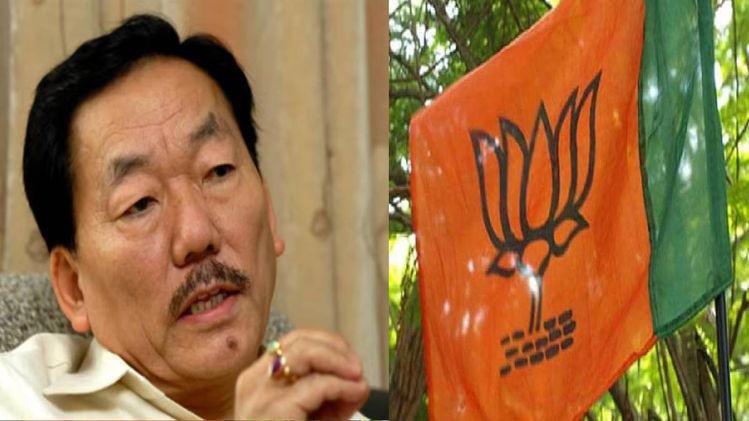
The Bharatiya Janata Party (BJP) has strongly criticized former Sikkim Chief Minister and Sikkim Democratic Front (SDF) president Pawan Chamling over his recent comparison between Sikkim and Manipur, describing his remarks as misleading and inappropriate. The controversy has sparked a fresh political debate in Sikkim, with leaders from different parties exchanging views on governance, regional stability, and political accountability ahead of important local electoral engagements.
BJP leaders argued that drawing parallels between the situations in Sikkim and Manipur was neither justified nor constructive. They maintained that such comparisons could create confusion among the public and undermine efforts aimed at maintaining peace, stability, and development in the Himalayan state.
The remarks and the subsequent response from the BJP have generated significant political discussion, highlighting the increasingly competitive nature of Sikkim’s political environment. As parties prepare for upcoming electoral contests, political statements and counter-statements are becoming an important part of the public discourse.
BJP Rejects the Comparison
The BJP’s criticism centered on what party leaders described as an inaccurate comparison between two states with distinct social, political, and historical contexts. According to BJP representatives, Sikkim and Manipur face different challenges and possess unique administrative, demographic, and geopolitical characteristics.
Party leaders argued that equating the circumstances of the two states oversimplifies complex issues and risks creating unnecessary apprehension among citizens. They emphasized that public figures should exercise caution when making comparisons involving sensitive political and social matters.
The BJP maintained that responsible political discourse should focus on constructive solutions and factual analysis rather than comparisons that could be interpreted as alarmist or misleading.
Political Reactions Intensify
The controversy has added a new dimension to political discussions in Sikkim. Leaders from various parties have weighed in on the issue, reflecting broader disagreements regarding governance, political narratives, and development priorities.
Political analysts note that statements made by prominent leaders often attract significant public attention, particularly during periods of heightened political activity. In this case, the debate has evolved beyond the original remarks and become part of a wider discussion about the state’s future direction and political leadership.
Observers believe that such exchanges are likely to continue as parties seek to position themselves ahead of upcoming electoral contests and strengthen their support among voters.
Importance of Political Communication
The incident has also highlighted the importance of political communication and the impact that public statements can have on public perception. In today’s interconnected environment, remarks made by senior leaders are quickly amplified through traditional and digital media platforms.
Political communication experts note that comparisons involving different states or regions can often generate strong reactions because they touch upon issues of identity, governance, and public confidence. As a result, political leaders are frequently expected to provide context and clarity when addressing sensitive subjects.
The BJP argued that public discourse should be guided by facts and responsible engagement, particularly when discussing matters that affect public sentiment and social harmony.
Sikkim’s Unique Political Landscape
Sikkim occupies a distinctive place within India’s political and cultural landscape. Known for its social stability, environmental conservation efforts, and relatively peaceful political environment, the state has developed a unique governance model shaped by its geography and demographic composition.
Political leaders across party lines often emphasize the importance of preserving social harmony and maintaining the state’s developmental trajectory. As a result, issues related to governance and public policy are frequently discussed within the broader context of protecting Sikkim’s interests and identity.
The BJP has argued that comparisons with other states should take these unique factors into account and avoid creating perceptions that do not accurately reflect local realities.
Electoral Context of the Debate
The controversy emerges at a time when political activity in Sikkim is increasing ahead of local electoral processes. Political parties have intensified outreach efforts, public meetings, and campaign activities aimed at engaging voters and strengthening grassroots support.
Analysts suggest that political debates often become sharper during election periods as parties seek to distinguish themselves from their opponents and influence public opinion. Statements made by senior leaders can therefore carry added significance and become focal points for broader political discussions.
The BJP’s response to Chamling’s remarks is being viewed by many observers as part of this evolving political contest, where parties are actively shaping narratives and responding to criticisms.
Calls for Responsible Political Dialogue
Amid the growing political debate, several leaders and observers have stressed the importance of maintaining respectful and constructive dialogue. Political competition is an essential aspect of democracy, but many believe that discussions should remain focused on policy issues, development priorities, and governance challenges.
Community leaders and civil society representatives have often emphasized that political discourse should contribute to informed decision-making and public understanding rather than deepen divisions or create misunderstandings.
The latest controversy has renewed discussions about how political leaders can engage in robust debate while maintaining accuracy, civility, and responsibility in their public statements.
Focus on Development and Governance
While the controversy has attracted considerable attention, many political observers believe that voters remain primarily concerned with issues related to development, governance, employment, infrastructure, education, and healthcare.
Political parties in Sikkim continue to highlight their respective achievements and policy proposals while seeking public support. Governance performance and future development plans are expected to remain central themes in upcoming political campaigns.
The BJP has stated that it intends to focus on development-oriented issues and continue engaging with citizens on matters that directly affect their lives and livelihoods. Party leaders argue that constructive political engagement should prioritize solutions and opportunities rather than contentious comparisons.
Public Response and Political Implications
The public response to the controversy has been mixed, with supporters of different political parties interpreting the remarks and responses through their respective political lenses. Social media platforms and public discussions have reflected a range of opinions regarding the appropriateness and implications of the comparison.
Political analysts suggest that the long-term impact of the controversy will depend on how effectively parties communicate their positions and address voter concerns. While political debates can influence public perceptions, electoral outcomes are often shaped by a combination of local issues, leadership credibility, and governance performance.
The incident nevertheless underscores the significance of political messaging in shaping public discourse and influencing political narratives.
Looking Ahead
The BJP’s condemnation of Pawan Chamling’s comparison between Sikkim and Manipur has added a fresh chapter to the state’s evolving political landscape. The controversy reflects the increasingly competitive nature of political engagement in Sikkim as parties seek to strengthen their positions ahead of important electoral contests.
While differing political perspectives are an inherent part of democratic systems, the debate has highlighted the need for careful communication and responsible public discourse. Political leaders, observers, and citizens alike recognize the importance of ensuring that discussions remain grounded in facts and focused on constructive outcomes.
As political activity continues to intensify, issues related to governance, development, public welfare, and regional aspirations are likely to dominate public conversations. The current controversy may eventually fade, but it serves as a reminder of the influence political statements can have in shaping perceptions and driving debate.
For now, the focus remains on how parties respond to public concerns and present their vision for the future of Sikkim. With local elections and political developments on the horizon, the state’s political landscape is expected to remain dynamic and closely watched in the months ahead.