


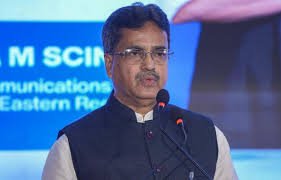
The Tripura CM direct BJP governance proposal signals a shift toward transparency and efficiency in tribal councils. The Chief Minister emphasized eliminating middlemen to improve governance delivery. The move has sparked political debate across the state. The Tripura CM direct BJP governance approach focuses on accountability.
Thrilling Northeast India Sports Action IPL Clash And Nagaland Games
Tripura CM Pushes Direct BJP Governance in Tribal Council
The Tripura CM direct BJP governance initiative has drawn attention after the Chief Minister strongly advocated for eliminating middlemen in the functioning of tribal councils. He emphasized that governance should directly benefit the people without unnecessary intermediaries.
Moreover, the statement reflects a broader political strategy to streamline administration and improve service delivery at the grassroots level.
Official Manipur Government Denies Protester Killing Rumours
Call to Remove Middlemen from Governance
The Tripura CM direct BJP governance approach clearly targets the removal of middlemen who often act as intermediaries between the administration and citizens. According to the Chief Minister, such practices can delay decision-making and reduce transparency.
Therefore, the proposed model aims to ensure that government schemes reach beneficiaries directly and efficiently.
Bold Tripura CM Direct BJP Governance Push Announced
Inspiring Mizoram Governor Census Participation Drive Gains Momentum
Focus on Transparency and Accountability
The Tripura CM direct BJP governance vision prioritizes transparency and accountability in public administration. By reducing layers of intervention, authorities can monitor implementation more effectively.
Additionally, this approach strengthens trust between citizens and the government. As a result, people may experience quicker responses to their needs and concerns.
Political Reactions and Debate
The Tripura CM direct BJP governance proposal has sparked debate among political parties and stakeholders. Supporters argue that direct governance will reduce corruption and improve efficiency.
On the other hand, critics question whether the move might centralize power excessively and limit local representation. Nevertheless, the discussion highlights the importance of governance reforms in the region.
Impact on Tribal Council Functioning
The Tripura CM direct BJP governance plan could significantly change how tribal councils operate. Direct implementation of policies may reduce administrative delays and improve coordination.
Furthermore, the model aims to empower citizens by ensuring they receive benefits without intermediaries. Consequently, governance could become more responsive and effective.
Broader Vision for Development
The Tripura CM direct BJP governance initiative aligns with the broader goal of accelerating development in tribal areas. Improved governance mechanisms can enhance infrastructure, education, and healthcare services.
Moreover, direct engagement with communities allows authorities to understand local issues better and address them promptly.
Challenges in Implementation
Despite its potential benefits, the Tripura CM direct BJP governance model may face challenges during implementation. Transitioning from existing systems to a new framework requires careful planning and coordination.
Additionally, ensuring that local voices remain represented will be essential to maintain balance in governance.
Conclusion
The Tripura CM direct BJP governance proposal marks a significant step toward reforming administrative practices in tribal councils. While the plan promises transparency and efficiency, it also raises important questions about decentralization and representation.
Ultimately, its success will depend on effective execution and continued engagement with local communities.
FAQs
1. What did the Tripura CM propose?
He proposed direct BJP governance in tribal councils and called for the removal of middlemen.
2. Why eliminate middlemen?
To improve transparency, reduce delays, and ensure direct delivery of government benefits.
3. What are the expected benefits?
Faster decision-making, better accountability, and improved service delivery.
4. What concerns have been raised?
Some critics worry about possible centralization and reduced local participation.
5. How will this impact citizens?
Citizens may receive benefits more directly and experience more efficient governance.