


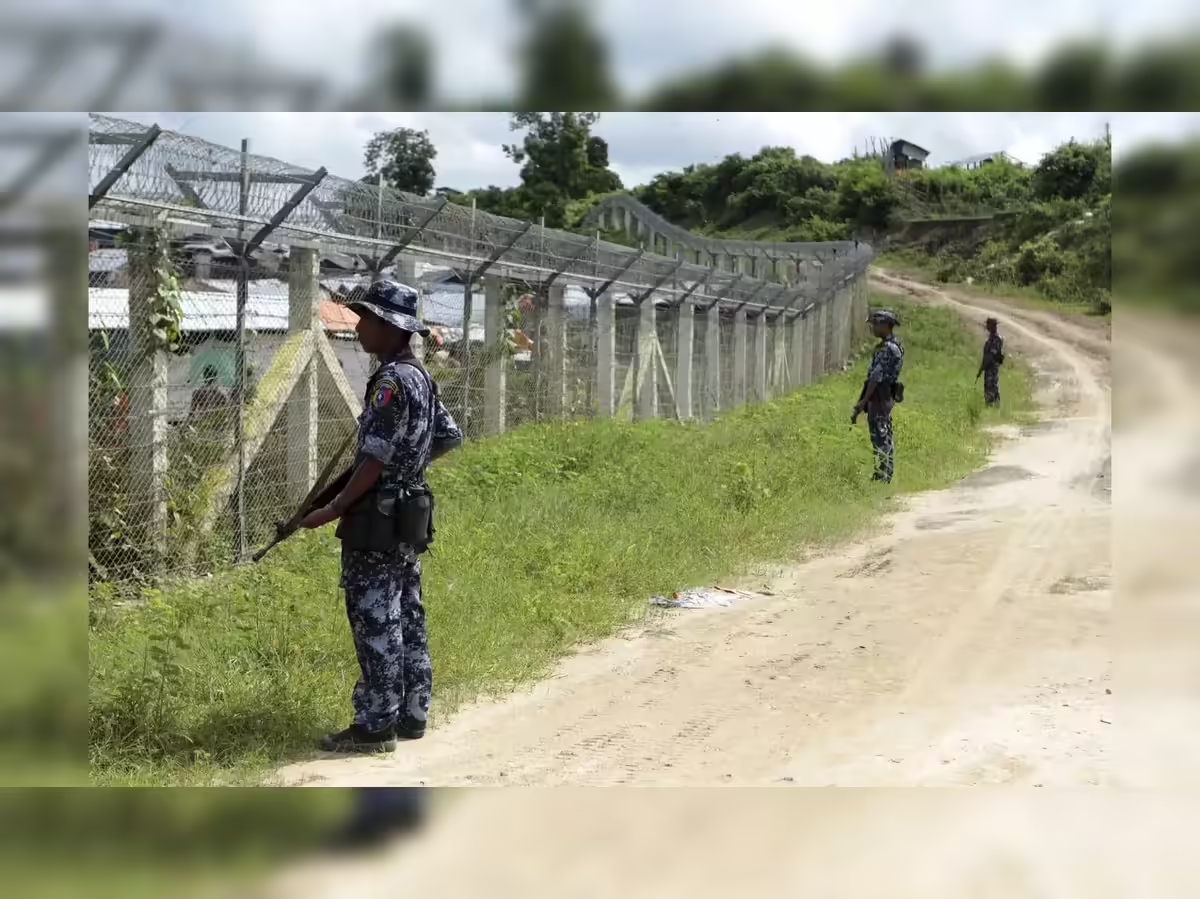
The Border Fencing Audit has moved into focus after Home Ministry officials ordered a structural assessment of security gaps along the porous India-Myanmar border. The audit aims to evaluate existing fencing infrastructure, identify vulnerable stretches, and strengthen border management through targeted improvements.0
The Border Fencing Audit has gained significance following the Home Ministry’s decision to conduct a structural review of security infrastructure along the India-Myanmar border. Moreover, officials have directed agencies to identify vulnerable sections where existing border security measures require improvement. The initiative highlights the government’s focus on strengthening border management and enhancing surveillance in strategically important areas.
Nagaland Trafficking Crisis: NCB Report Identifies State as High-Risk Narcotics Corridor
Border Fencing Audit Ordered by Home Ministry
The Border Fencing Audit began after Home Ministry officials directed a comprehensive structural assessment of border security infrastructure. Furthermore, the audit will examine the effectiveness of fencing and identify areas requiring attention.
Border infrastructure plays an essential role in national security. Consequently, regular inspections help authorities maintain operational readiness.
Moreover, periodic assessments support long-term infrastructure planning. Therefore, the audit has become an important administrative exercise.
Structural Review Targets Security Gaps
A key objective of the Border Fencing Audit is to identify structural vulnerabilities along the India-Myanmar border. Furthermore, officials will evaluate existing fencing and related security infrastructure.
Infrastructure reviews help determine maintenance and modernization requirements. Similarly, identifying weak points enables agencies to plan corrective measures.
Consequently, the audit is expected to support more effective border management. Thus, infrastructure assessment remains central to the initiative.
India-Myanmar Border Remains a Strategic Focus
The Border Fencing Audit underscores the strategic importance of the India-Myanmar border in national security planning. Moreover, effective border infrastructure supports surveillance and coordinated security operations.
Border management requires continuous monitoring and infrastructure maintenance. Additionally, improved physical barriers can complement surveillance and patrol systems.
Consequently, strengthening border infrastructure remains a key administrative priority. Therefore, the audit forms part of broader border security efforts.
Infrastructure Assessment Supports Better Border Management
The Border Fencing Audit highlights the role of infrastructure evaluations in improving border management. Furthermore, structural assessments provide valuable information for future maintenance and development projects.
Well-maintained infrastructure enhances operational efficiency. Similarly, regular audits contribute to long-term planning and resource allocation.
Moreover, coordinated reviews improve decision-making among security agencies. Thus, infrastructure evaluation remains an important governance tool.
Inter-Agency Coordination Expected During Audit
The Border Fencing Audit is expected to involve close coordination among relevant government departments and security agencies. Furthermore, collaborative efforts can improve the effectiveness of border security initiatives.
Inter-agency cooperation strengthens implementation and oversight. Consequently, coordinated assessments support comprehensive security planning.
Additionally, shared expertise can help identify practical solutions for strengthening vulnerable sections. Therefore, cooperation remains essential throughout the audit process.
Looking Ahead
The Border Fencing Audit is expected to provide authorities with a clearer understanding of the condition of security infrastructure along the India-Myanmar border. Moreover, the findings may guide future maintenance, upgrades, and strategic planning.
As the assessment progresses, officials are likely to review recommendations aimed at improving border security. Similarly, continued monitoring will support long-term infrastructure resilience.
Consequently, the audit represents an important step toward strengthening border management. Thus, regular infrastructure reviews will continue to play a vital role in national security planning.
Conclusion
The Border Fencing Audit ordered by the Home Ministry reflects a proactive approach to strengthening security infrastructure along the India-Myanmar border. The structural assessment aims to identify vulnerabilities and improve the effectiveness of existing border management systems.
Moreover, regular infrastructure evaluations contribute to informed planning and efficient allocation of resources. Consequently, the audit is expected to support future efforts to reinforce security along the international border.
Looking ahead, continued coordination among government agencies and timely implementation of audit recommendations will remain essential. Therefore, the Border Fencing Audit represents an important initiative for enhancing border security and infrastructure resilience.
FAQs
1. What is the Border Fencing Audit?
The Border Fencing Audit is a structural assessment ordered by the Home Ministry to identify security gaps along the India-Myanmar border.
2. Who ordered the audit?
Home Ministry officials directed the structural review of border security infrastructure.
3. What is the purpose of the audit?
The audit aims to identify vulnerable sections, assess existing fencing, and strengthen border management.
4. Which border is being reviewed?
The assessment covers the India-Myanmar international border.
5. Why is the audit important?
It supports better border security by evaluating infrastructure and identifying areas requiring improvement.