


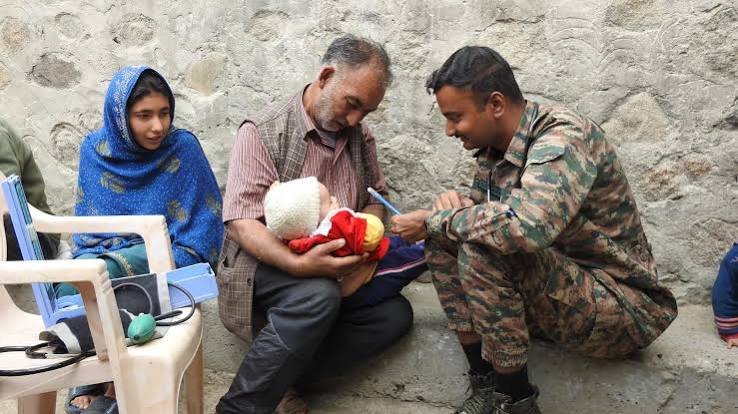
The Border Medical Camps initiative has brought multi-specialty healthcare services to villagers in remote parts of Anjaw. The Indian Army organized health check-up camps to provide medical consultations and basic healthcare support to communities that can face challenges accessing regular medical facilities because of difficult terrain and distance.
Heritage Walk Tour: Shillong Groups Launch Guided Walks Covering British-Era Architecture
The Border Medical Camps provided villagers in remote Anjaw with access to multi-specialty health check-ups. The initiative focused on bringing medical services closer to communities located in difficult-to-reach areas.
Remote settlements can face transportation challenges when residents need to travel to larger healthcare facilities. Moreover, temporary medical camps can provide an accessible point for consultations, basic screening, and health guidance.
The Army’s initiative therefore combines community outreach with healthcare support in a geographically challenging region.
However, the available information does not specify the exact location of the camps, the number of villagers who attended, or the medical specialties represented.
Border Medical Camps Improve Access to Healthcare
The Border Medical Camps aim to address healthcare-access challenges faced by residents in remote areas of Anjaw.
Residents who live far from hospitals or larger health centres may find routine medical consultations difficult to access. Furthermore, bringing medical professionals directly to communities can reduce the need for some patients to make long journeys for basic healthcare services.
Multi-specialty camps can also provide consultations for different health concerns during a single visit.
However, the available information does not identify the specific medical departments or specialists who participated.
Therefore, the full scope of the medical services remains unclear.
Border Medical Camps Bring Multi-Specialty Services to Villagers
The Border Medical Camps included multi-specialty health check-ups for villagers.
A multi-specialty approach can allow healthcare teams to address a broader range of health concerns during community outreach. Additionally, doctors and medical personnel can identify cases that may require further examination or treatment at larger healthcare facilities.
Such camps can serve as an initial point of medical assessment.
However, the information provided does not specify whether the camps included diagnostic tests, medicines, vaccinations, or follow-up consultations.
Consequently, the exact services provided remain unknown.
Border Medical Camps Support Remote Communities
The Border Medical Camps can provide valuable support to communities living in geographically isolated areas.
Anjaw’s terrain can make transportation and access to services challenging for some remote settlements. Moreover, temporary healthcare camps can help bring medical personnel closer to residents who may otherwise need to travel considerable distances.
The initiative can therefore complement existing healthcare infrastructure.
However, medical camps generally operate for limited periods and cannot replace permanent healthcare facilities.
The available information does not indicate whether the Army plans regular follow-up camps in the same communities.
Border Medical Camps Encourage Preventive Healthcare
The Border Medical Camps can also promote awareness of preventive healthcare.
Routine health checks can help individuals identify potential health concerns and understand the importance of timely medical attention. Furthermore, healthcare professionals can provide guidance about healthy practices and when patients should seek additional care.
Early consultation can help residents understand whether they need further medical evaluation.
However, the available information does not provide data on the health conditions identified during the camps.
Therefore, no conclusions can be drawn about the health profile of the participating communities.
Border Medical Camps Strengthen Community Outreach
The Border Medical Camps represent a form of community outreach that brings healthcare services directly to residents.
Community-based medical initiatives can strengthen connections between service providers and remote populations. Additionally, such outreach can help authorities and organizations better understand the practical healthcare challenges faced by people living in isolated areas.
The Army’s involvement provides an additional channel for delivering medical support.
However, the available information does not specify whether the camps operated in coordination with local health departments or other medical organizations.
Consequently, the broader healthcare coordination framework remains unclear.
Border Medical Camps Highlight Healthcare Challenges in Remote Areas
The Border Medical Camps also draw attention to the importance of accessible healthcare in remote regions.
Distance, terrain, transportation, and limited medical infrastructure can create barriers for residents seeking routine care. Moreover, community outreach programmes can help reduce some of these barriers by bringing medical professionals closer to patients.
However, temporary camps cannot address every structural healthcare challenge.
Permanent medical facilities, trained personnel, medicines, transportation, and reliable referral systems remain important for long-term healthcare access.
The available information does not provide details about permanent healthcare infrastructure in the affected areas.
Border Medical Camps Could Support Future Health Outreach
The Border Medical Camps could provide a foundation for continued medical outreach in remote Anjaw if authorities and organizations conduct regular programmes.
Follow-up visits can help medical teams monitor patients who require continued attention and identify additional healthcare needs. Furthermore, consistent outreach can help communities become more familiar with available medical services.
However, the available information does not confirm any schedule for future camps.
Therefore, the long-term continuity of the initiative remains uncertain.
Conclusion
The Border Medical Camps initiative has provided multi-specialty health check-ups to villagers in remote Anjaw through an Indian Army-organized medical outreach programme. The effort brings healthcare services closer to communities that may face significant geographical and transportation challenges.
Moreover, such camps can support preventive healthcare, provide initial medical assessments, and connect patients with appropriate follow-up services when necessary. However, the available information does not specify the number of beneficiaries, participating specialists, exact locations, or whether additional camps will follow.
Overall, the Border Medical Camps demonstrate the value of community-based healthcare outreach in remote areas. Continued coordination with local health systems and regular follow-up services could further strengthen healthcare access for communities in difficult-to-reach parts of Anjaw.
FAQs
1. What are the Border Medical Camps?
The Border Medical Camps are healthcare outreach camps organized by the Indian Army to provide multi-specialty health check-ups to villagers in remote Anjaw.
2. Who benefited from the medical camps?
Villagers living in remote areas of Anjaw received access to the health check-up services.
3. What does a multi-specialty health camp provide?
Multi-specialty camps can bring healthcare professionals from different medical fields together for consultations and basic health assessments.
4. Can medical camps replace permanent hospitals?
No. Medical camps provide temporary outreach services and complement permanent healthcare facilities rather than replacing them.
5. Will more Border Medical Camps take place?
The available information does not confirm a schedule for future camps. Further announcements would be needed to establish whether the Army plans additional medical outreach programmes.