


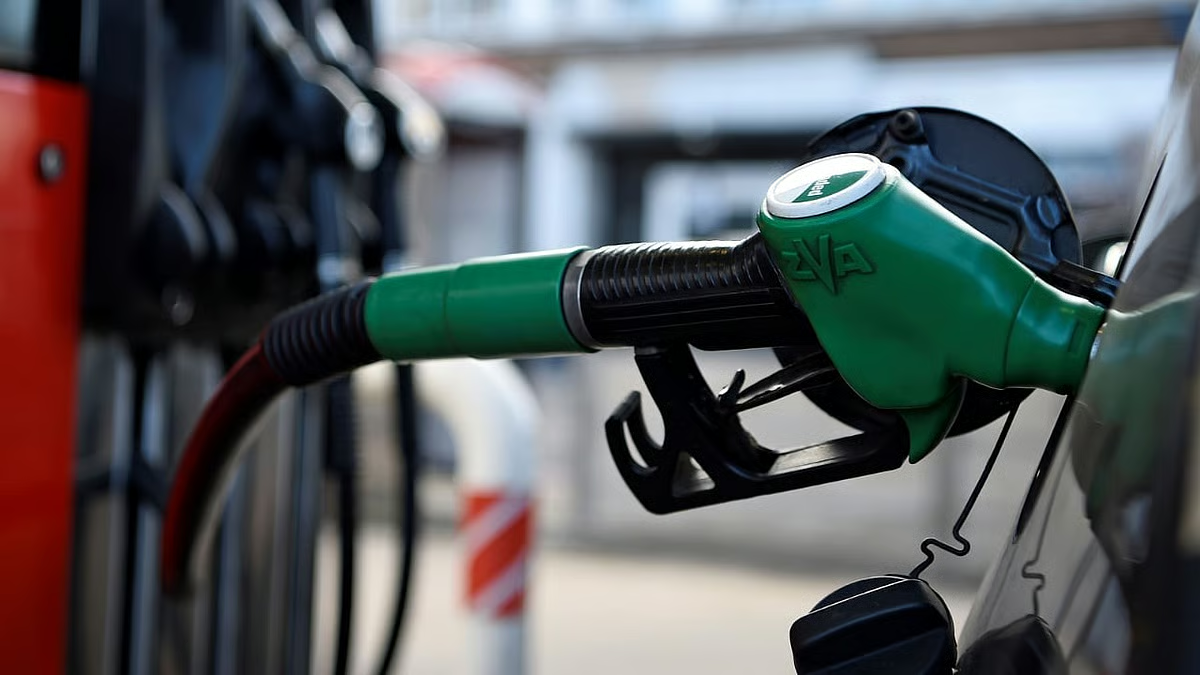
In a significant relief measure for consumers and businesses across the Northeastern region, the Central Government has officially withdrawn temporary regulatory restrictions on the retail sale and distribution of petrol and diesel with effect from July 1. The decision is expected to restore normal fuel availability, improve supply chain operations, and ease concerns among residents in remote and border areas who had been affected by precautionary regulatory measures. Moreover, officials emphasized that the withdrawal reflects improved logistical conditions and the government’s commitment to ensuring uninterrupted access to essential commodities.
Torrential Rains Destroy Phee Khola Bailey Bridge, Isolating Dzongu Region in North Sikkim
Meitei Resettlement Row Triggers Protests
Central Government Revokes Temporary Fuel Distribution Restrictions
The withdrawal of temporary restrictions on the sale and distribution of petrol and diesel marks an important policy decision affecting consumers throughout the Northeastern states. Consequently, fuel retailers and distributors have resumed regular operations under standard regulatory guidelines.
According to officials, the restrictions had been introduced as a precautionary measure to ensure orderly distribution and maintain adequate fuel reserves during periods of uncertainty and logistical challenges. Moreover, the latest decision reflects an assessment that supply conditions have stabilized sufficiently to permit normal operations. Therefore, consumers are expected to experience improved access to fuel supplies.
Authorities noted that restoring regular fuel distribution remains essential for supporting transportation networks, economic activities, and public services. Furthermore, fuel suppliers and retailers have been instructed to ensure smooth implementation of the revised arrangements. As a result, supply chains are expected to normalize across affected regions.
Meanwhile, administrative agencies continue to monitor fuel availability and distribution patterns. Consequently, coordination mechanisms remain active.
Relief Expected for Remote and Border Communities
The decision to lift fuel restrictions is expected to provide substantial relief to residents of remote, rural, and border areas across the Northeast. Moreover, communities in geographically challenging regions often depend heavily on uninterrupted fuel supplies for transportation, agriculture, and essential services. Therefore, the policy change has been welcomed by many stakeholders.
Officials emphasized that restoring unrestricted fuel availability will help improve mobility, commercial activity, and access to essential services. Consequently, transportation operators, businesses, and consumers are expected to benefit from the decision. Such measures contribute to strengthening regional economic stability.
Furthermore, authorities noted that fuel accessibility remains a critical factor in supporting disaster response operations and public service delivery. As a result, maintaining reliable supply systems continues to be a priority.
Meanwhile, local administrations remain engaged in monitoring market conditions and consumer requirements. Similarly, distribution networks continue to adjust to the revised policy framework.
Fuel Supply Chains Expected to Stabilize
The removal of temporary regulatory controls is also expected to strengthen fuel supply chains and reduce operational challenges faced by distributors and retailers. Moreover, unrestricted distribution enables more efficient movement of petroleum products across the region. Therefore, supply chain normalization is anticipated in the coming weeks.
Officials stated that transportation and logistics providers will benefit from increased operational flexibility and reduced administrative burdens. Consequently, fuel distribution networks are expected to function more efficiently. Such improvements support broader economic and commercial activities.
Furthermore, authorities emphasized the importance of maintaining adequate reserves and ensuring timely deliveries throughout the region. As a result, coordination between government agencies and fuel companies remains important.
Meanwhile, supply monitoring systems continue to operate to prevent disruptions. Similarly, stakeholders remain focused on maintaining stability in the fuel market.
Government Reaffirms Commitment to Essential Supply Security
The withdrawal of the temporary restrictions underscores the government’s continued focus on ensuring the availability of essential commodities while maintaining public confidence. Moreover, officials emphasized that regulatory measures are subject to periodic review based on prevailing conditions. Therefore, policy decisions continue to be guided by operational assessments and public interest considerations.
Authorities noted that maintaining secure and reliable fuel supplies remains essential for economic activity, public welfare, and regional connectivity. Consequently, mechanisms for monitoring and responding to supply challenges remain in place. Such preparedness contributes to long-term resilience.
Furthermore, officials reiterated their commitment to supporting consumers and ensuring uninterrupted access to critical resources. As a result, fuel supply management remains an important administrative priority.
Meanwhile, government agencies and industry stakeholders continue to coordinate closely. Similarly, efforts to strengthen supply security remain ongoing.
Conclusion
The Central Government’s decision to withdraw temporary restrictions on the retail sale and distribution of petrol and diesel represents a major relief for consumers and businesses across the Northeastern states. Moreover, the move is expected to improve fuel availability, strengthen supply chains, and support economic activities throughout the region.
The development highlights the importance of flexible policy responses and effective supply management in addressing regional challenges. Therefore, authorities remain committed to ensuring uninterrupted access to essential commodities.
As normal fuel distribution resumes, consumers, businesses, and transport operators are expected to benefit from improved availability and operational stability.
FAQs
1. What decision did the Central Government announce?
The government withdrew temporary restrictions on the retail sale and distribution of petrol and diesel.
2. When did the decision take effect?
The withdrawal became effective from July 1.
3. Which region is expected to benefit significantly?
The Northeastern states, particularly remote and border areas, are expected to benefit.
4. Why were the restrictions initially imposed?
The restrictions were introduced as temporary regulatory measures to manage fuel distribution and supply concerns.
5. What impact is expected following the withdrawal?
Improved fuel availability, normalized supply chains, and relief for consumers and businesses.