


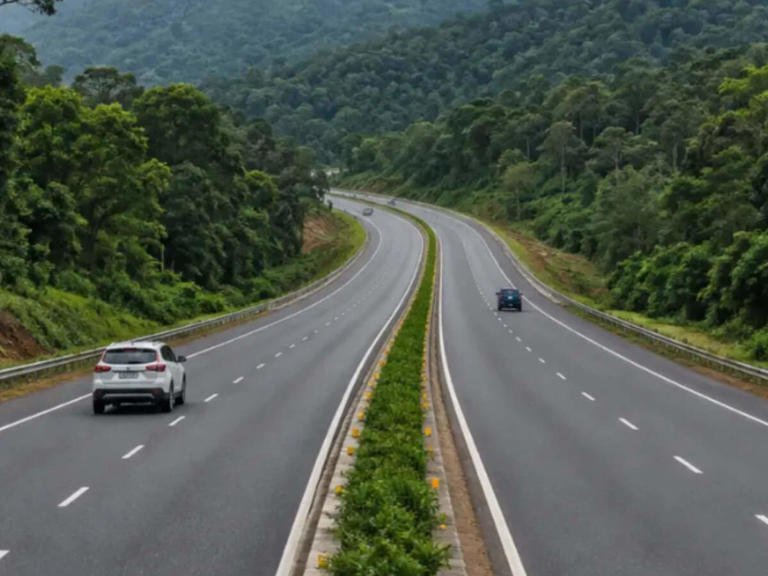
The Centre has given Nagaland the go-ahead to proceed with the land acquisition process for the widening of National Highway-202, marking an important step towards improving road connectivity and infrastructure in the state.
The approval will enable the Nagaland government to move forward with acquiring the land required for the proposed widening work. The development is expected to bring the long-pending highway project closer to implementation and improve connectivity for communities and businesses that depend on the route.
National highways play an important role in connecting towns, villages and commercial centres. In a state with challenging terrain and several remote areas, road connectivity is particularly important for economic activity and access to essential services.
The proposed widening of NH-202 is therefore expected to improve transportation and support the movement of people and goods.
Centre Gives Green Signal for Land Acquisition
Land acquisition is one of the most important stages of any major infrastructure project.
Before construction work can begin, the government must identify and acquire the land required for road expansion and related infrastructure.
The Centre’s approval will allow the Nagaland government to proceed with this process for the NH-202 widening project.
The move is expected to help remove an important administrative hurdle and create a clearer path towards the development of the highway.
Land acquisition, however, is often a complex process involving landowners, government agencies and local authorities.
Ensuring proper communication and transparency will be important as the process moves forward.
The authorities will also need to address concerns related to compensation and rehabilitation wherever applicable.
NH-202 Important for Regional Connectivity
NH-202 is an important route for Nagaland and the wider northeastern region.
Improved highways can reduce travel difficulties, strengthen connections between remote areas and major towns, and support economic activity.
For residents living along the highway, better road infrastructure can improve access to schools, hospitals, markets and government services.
Businesses can also benefit from smoother and more reliable transportation.
The movement of agricultural products and other goods depends heavily on road networks in the region.
A wider and improved highway could help reduce transportation challenges and support local economic development.
Better Roads Could Support Economic Growth
Infrastructure development is closely linked to economic growth.
Reliable roads can reduce travel time and transportation costs while making it easier for businesses to access new markets.
The widening of NH-202 could therefore have benefits beyond improved travel.
Better connectivity may encourage investment in areas along the route and create opportunities for local businesses.
Farmers and small producers could also benefit if improved roads make it easier to transport products to larger markets.
The development could further support tourism by improving access to different parts of Nagaland.
Tourism remains an important area of economic potential for the state, and better infrastructure can make destinations more accessible to visitors.
Challenges of Infrastructure Development in Nagaland
While the Centre’s approval is an important step, the implementation of major road projects in Nagaland can involve several challenges.
The state’s hilly terrain, environmental conditions and land ownership patterns can make infrastructure development more complicated.
Land acquisition will require careful coordination with affected communities and landowners.
The government will need to ensure that the process is carried out fairly and that legitimate concerns are addressed.
Construction in difficult geographical conditions can also require additional time and resources.
Weather conditions, particularly heavy rainfall, can affect the progress of road projects.
Effective planning and coordination will therefore be essential to ensure that the NH-202 widening project moves forward smoothly.
Land Acquisition to Be a Crucial Next Step
With the Centre’s permission now in place, attention will shift to the land acquisition process.
The state government and concerned authorities will need to identify the land required and complete the necessary administrative procedures.
Engagement with local communities will be important in ensuring that the process proceeds without unnecessary disputes or delays.
Clear information regarding compensation and the purpose of the project could help build public confidence.
The success of the land acquisition process will play a major role in determining how quickly the widening project can move towards the construction stage.
Any delays at this stage could affect the overall timeline of the project.
Boost to Infrastructure Development in Nagaland
The decision to allow Nagaland to proceed with land acquisition also reflects the broader focus on improving infrastructure across the northeastern region.
The Centre has placed increasing emphasis on strengthening road, railway and air connectivity in the Northeast.
Better infrastructure is seen as important for improving access to markets and supporting economic development.
For states such as Nagaland, improved connectivity can also help reduce the challenges created by difficult terrain and geographical distance.
Highway projects can strengthen links between rural areas and larger commercial centres.
The NH-202 widening project could become an important part of these wider infrastructure development efforts.
Importance for Local Communities
For communities located near or dependent on NH-202, the project could bring significant changes.
Improved roads may reduce travel times and make transportation safer and more convenient.
Access to healthcare and emergency services could also improve if roads become more reliable.
Students and workers travelling between towns and villages may benefit from better connectivity.
At the same time, infrastructure development can directly affect landowners and communities located along the proposed route.
The authorities will therefore need to balance the need for development with the concerns and rights of people affected by land acquisition.
Centre’s Approval Brings Project Closer to Reality
The Centre’s approval has brought the proposed widening of NH-202 another step closer to implementation.
While significant work remains before construction can begin, the permission to proceed with land acquisition removes an important barrier.
The coming months will be important as the Nagaland government begins the next phase of planning and coordination.
The speed and effectiveness of the land acquisition process will determine how quickly the project can move forward.
If implemented successfully, the widening project could improve connectivity and support economic opportunities across areas connected by the highway.
A Step Towards Stronger Connectivity
The Centre’s decision to allow Nagaland to proceed with land acquisition for the NH-202 widening project represents an important development for the state’s infrastructure plans.
The proposed highway improvement has the potential to make travel easier, strengthen economic links and improve access to essential services.
However, the project’s success will depend on the smooth completion of land acquisition and effective execution of construction work.
The government will need to work closely with local communities to address concerns and ensure that the benefits of improved infrastructure are balanced with the interests of affected landowners.
As Nagaland moves ahead with the next stage of the project, the widening of NH-202 could become an important step towards building stronger, safer and more efficient road connectivity in the state.