


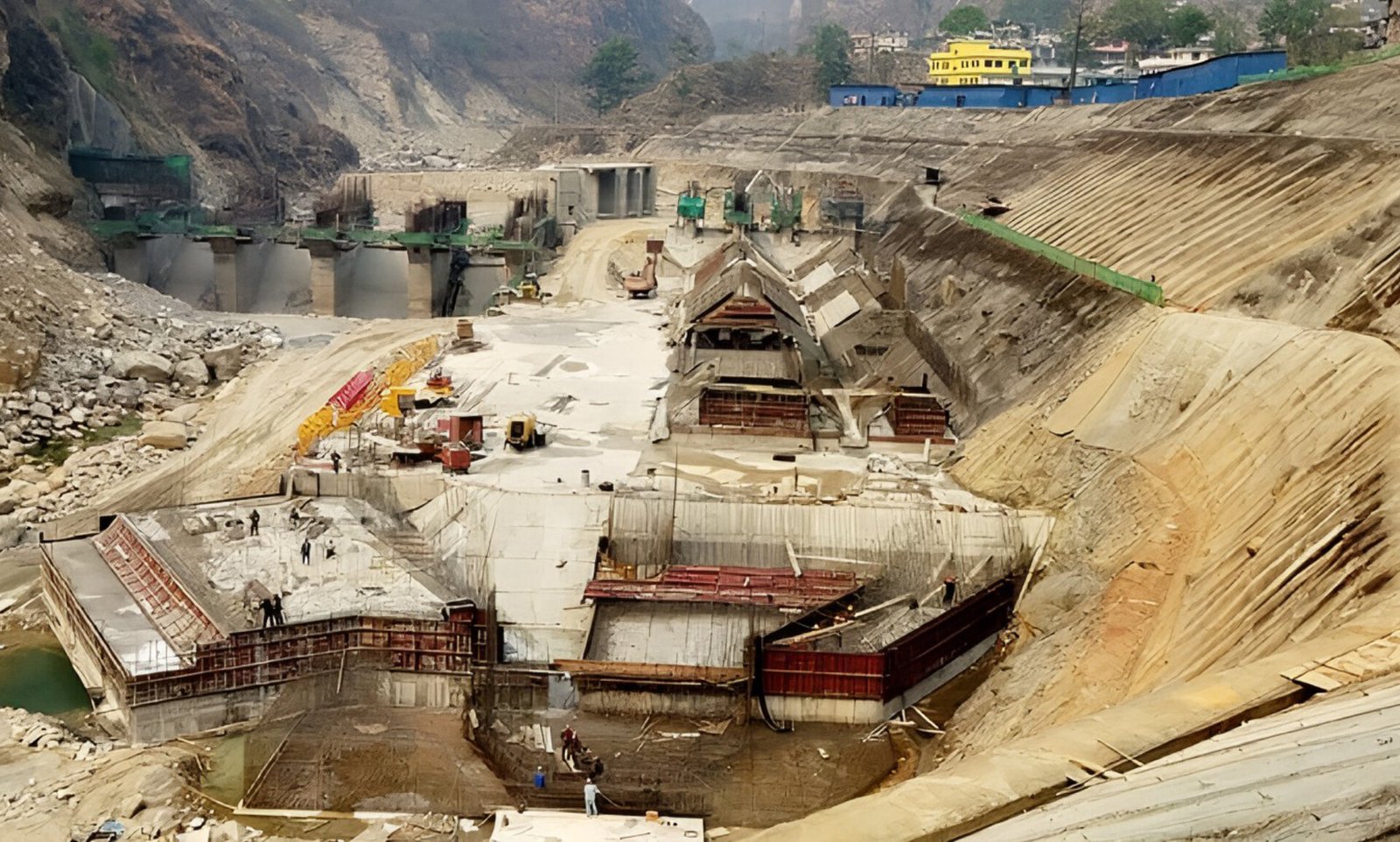
Centre flags six hydropower projects as vulnerable, raising serious concerns about the future of energy infrastructure in Northeast India. The Union Power Ministry has highlighted sustainability risks, security issues, and environmental challenges associated with these projects. Among them is the under-construction 2000 MW Lower Subansiri Hydroelectric Project, one of India’s largest. The move has sparked debates on development, safety, and ecological stability across the region.
Background of the Vulnerability Report
The Union Power Ministry recently undertook a detailed review of major hydropower assets in the Northeast. After technical evaluations and consultations with experts, six projects were identified as “vulnerable.” The findings suggest that both operational and under-construction dams face risks ranging from seismic activity to social unrest. By classifying these projects as vulnerable, the government has acknowledged the urgent need for stronger safeguards and revised strategies.
What Does Vulnerable Status Mean?
When the Centre flags six hydropower projects as vulnerable, it implies that these installations are not fully resilient against external and internal risks. Vulnerabilities may include design flaws, geological instability, environmental degradation, financial uncertainty, or even threats from insurgent activity. The status does not mean the projects are unsafe for immediate operations, but it does require increased monitoring, audits, and risk-mitigation planning.
The Six Hydropower Projects Under the Scanner
While the full list has not been officially published, reports confirm that the Lower Subansiri Hydroelectric Project is one of the six. The project, located along the Assam-Arunachal border, has been a focal point of environmental protests for more than a decade. Experts suggest that other major projects in Arunachal Pradesh, Sikkim, and Meghalaya are also likely on the list.
The Lower Subansiri Project
The 2000 MW Lower Subansiri dam is India’s largest under-construction hydropower project. It has faced delays due to legal battles, safety concerns, and opposition from environmental groups. Questions about dam safety in a seismically active region continue to fuel public anxiety. The Centre’s decision to classify it as vulnerable reopens debates about whether such mega-projects are viable in ecologically fragile zones.
Other Suspected Projects
Though the government has not released the full list, hydropower plants in Sikkim and Arunachal—particularly those located near fault lines—are believed to be included. Meghalaya’s ongoing projects may also fall under the vulnerable category due to poor infrastructure and frequent landslides.
Reasons Behind Vulnerability Concerns
The vulnerabilities flagged by the Centre stem from multiple factors, each posing distinct challenges for sustainable hydropower development in the Northeast.
1. Seismic Activity
The Northeast is one of the most seismically active regions in India. Major earthquakes in the past have caused landslides and river blockages, threatening dam stability. Large reservoirs in this region amplify risks during seismic events, raising questions about disaster preparedness.
2. Environmental Fragility
Hydropower projects in the Northeast often involve deforestation, river diversion, and submergence of fertile valleys. Environmentalists argue that these interventions destabilize fragile ecosystems and endanger biodiversity. The Centre’s warning reflects acknowledgment of ecological risks that may worsen climate change impacts.
3. Social and Political Opposition
Local communities have long opposed large-scale hydropower dams due to displacement, livelihood loss, and cultural concerns. In Assam and Arunachal Pradesh, protests against the Lower Subansiri project have delayed construction for years. Vulnerable classification recognizes that without community consent, projects remain at risk of conflict and disruption.
4. Financial and Operational Strain
Cost overruns and delays have burdened many hydropower projects. When the Centre flags six hydropower projects as vulnerable, it signals financial instability that could threaten timely completion and long-term viability. The Lower Subansiri project alone has seen costs balloon from ₹6,000 crore to over ₹20,000 crore.
Impact on Energy Security
Hydropower is a key part of India’s clean energy transition. Northeast India alone holds more than 40% of the country’s hydropower potential. If six major projects are deemed vulnerable, India’s renewable energy goals could face significant setbacks. The classification highlights the tension between energy expansion and risk management.
Dependence on Hydropower
India aims to achieve net zero carbon emissions by 2070. Hydropower is central to this plan, offering a renewable source of base-load power. Weaknesses in hydropower capacity could slow India’s green transition, making the country more dependent on thermal power plants.
Regional Development at Stake
States like Arunachal Pradesh and Sikkim see hydropower as a backbone for economic development. With the Centre flagging six hydropower projects as vulnerable, these states may face slower growth, lower investor confidence, and higher unemployment in the power sector.
Security Concerns Linked to Hydropower Dams
Beyond environmental and financial challenges, hydropower projects in the Northeast also face security risks due to the region’s sensitive geopolitical location.
Border Vulnerability
Many dams in Arunachal Pradesh are located close to the India-China border. In case of conflict, these dams could become strategic targets. The “vulnerable” classification implicitly recognizes such national security concerns.
Insurgency and Local Unrest
Insurgent groups in the Northeast have historically targeted infrastructure projects to disrupt state presence. Hydropower plants, being large and resource-intensive, present high-value targets. This adds another dimension to the risks faced by the six vulnerable projects.
Environmentalists React
Environmental organizations have welcomed the government’s acknowledgment of vulnerabilities. For years, activists have argued that mega-dams in the Northeast pose irreversible ecological damage. The Centre flagging six hydropower projects as vulnerable is seen as validation of their warnings, though many stress the need for long-term policy changes rather than temporary caution.
Call for Alternatives
Activists suggest that the government should focus more on smaller, community-based renewable projects like solar micro-grids or run-of-the-river hydropower plants. Such models reduce environmental impact while still contributing to energy needs.
Government’s Response and Future Plans
The Power Ministry has assured that the vulnerable status does not mean abandonment of the projects. Instead, the government plans to introduce stricter monitoring, independent audits, and advanced engineering safeguards.
Review Committees and Expert Panels
Task forces comprising engineers, environmentalists, and security experts will reassess the projects. Their findings will determine whether construction continues as planned, or whether modifications are necessary.
Balancing Development and Safety
Officials emphasize that India cannot ignore hydropower, but also cannot afford unsafe infrastructure. The challenge lies in striking a balance between economic development and environmental responsibility.
Read more : Tripura Speaker Flags Drug, Law and Order Issues